
Luisa MartA-n Rojo – författare
746 kr
Läs direkt efter köp
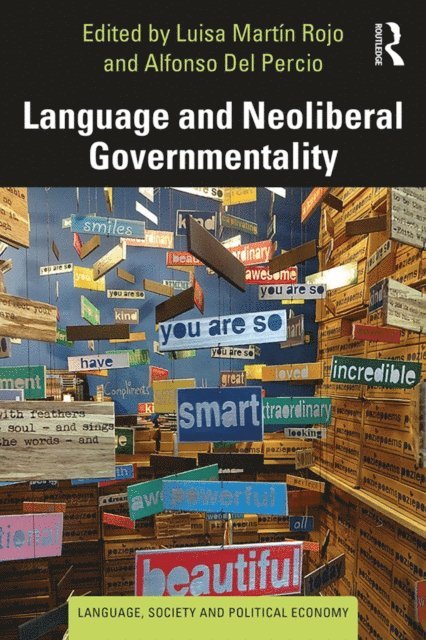
Against a background of the ongoing crisis of global capitalism and the fracturing of the neoliberal project, this book provides a detailed account of the ways in which language is profoundly imbricated in the neoliberalising of the fabric of social life.
With chapters from a cast list of international scholars covering topics such as the commodification of education and language, unemployment, and the governmentality of the self, and discussion chapters from Monica Heller and Jackie Urla bringing the various strands together, the book ultimately helps us to understand how language is part of political economy and the everyday making and remaking of society and individuals. It provides both a theoretical framework and a significant methodological "tool-box" to critically detect, understand, and resist the impact of neoliberalism on everyday social spheres, particularly in relation to language.
Presenting richly empirical studies that expand our understanding of how neoliberalism as a regime of truth and as a practice of governance performs within the terrain of language, this book is an essential resource for researchers and graduate students in English language, sociolinguistics, applied linguistics, linguistic anthropology, and related areas.
746 kr
Läs direkt efter köp
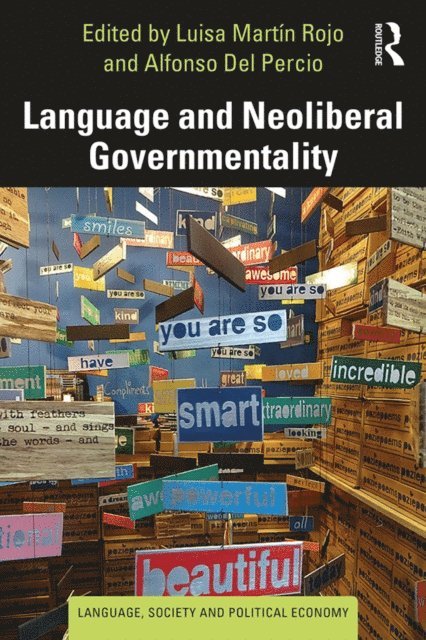
Against a background of the ongoing crisis of global capitalism and the fracturing of the neoliberal project, this book provides a detailed account of the ways in which language is profoundly imbricated in the neoliberalising of the fabric of social life.
With chapters from a cast list of international scholars covering topics such as the commodification of education and language, unemployment, and the governmentality of the self, and discussion chapters from Monica Heller and Jackie Urla bringing the various strands together, the book ultimately helps us to understand how language is part of political economy and the everyday making and remaking of society and individuals. It provides both a theoretical framework and a significant methodological "tool-box" to critically detect, understand, and resist the impact of neoliberalism on everyday social spheres, particularly in relation to language.
Presenting richly empirical studies that expand our understanding of how neoliberalism as a regime of truth and as a practice of governance performs within the terrain of language, this book is an essential resource for researchers and graduate students in English language, sociolinguistics, applied linguistics, linguistic anthropology, and related areas.
901 kr
Läs direkt efter köp
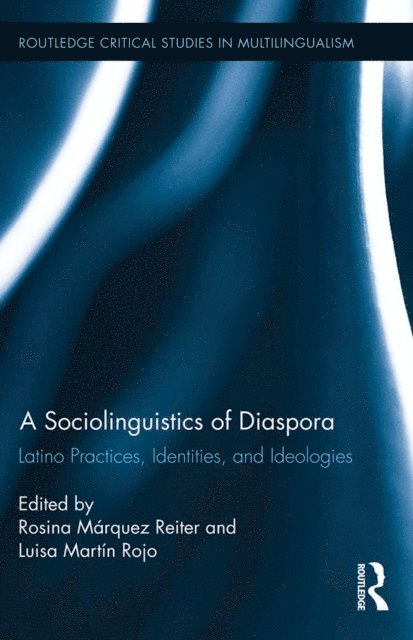
This volume brings together scholars in sociolinguistics and the sociology of new media and mobile technologies who are working on different social and communicative aspects of the Latino diaspora. There is new interest in the ways in which migrants negotiate and renegotiate identities through their continued interactions with their own culture back home, in the host country, in similar diaspora elsewhere, and with the various "new" cultures of the receiving country. This collection focuses on two broad political and social contexts: the established Latino communities in urban settings in North America and newer Latin American communities in Europe and the Middle East. It explores the role of migration/diaspora in transforming linguistic practices, ideologies, and identities.
869 kr
Läs direkt efter köp
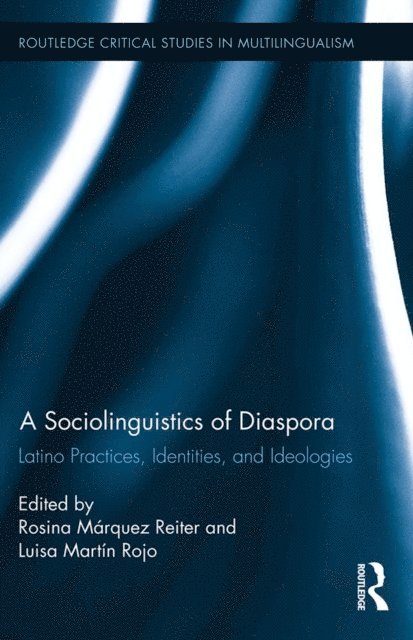
This volume brings together scholars in sociolinguistics and the sociology of new media and mobile technologies who are working on different social and communicative aspects of the Latino diaspora. There is new interest in the ways in which migrants negotiate and renegotiate identities through their continued interactions with their own culture back home, in the host country, in similar diaspora elsewhere, and with the various "new" cultures of the receiving country. This collection focuses on two broad political and social contexts: the established Latino communities in urban settings in North America and newer Latin American communities in Europe and the Middle East. It explores the role of migration/diaspora in transforming linguistic practices, ideologies, and identities.