
Lyombe Eko – författare
Visar alla böcker från författaren Lyombe Eko. Handla med fri frakt och snabb leverans.
6 produkter
6 produkter
E-bok
PDF, Engelska, 20161 141 kr
Läs direkt efter köp
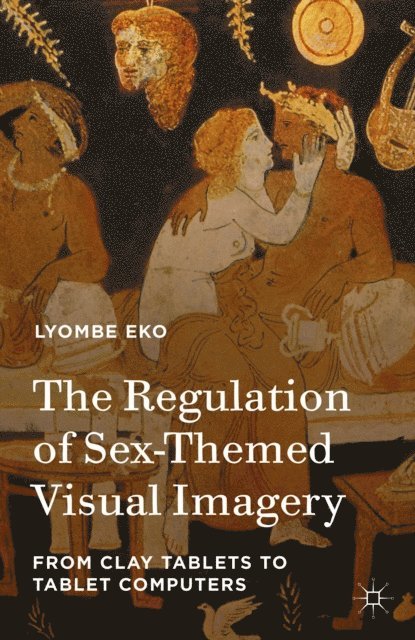
Lyombe Eko carries out an historical and cultural survey of the regulation of visual depictions of explicit human sexual conduct from their earliest appearance on the clay tablets of the valley of the Tigris and Euphrates rivers in ancient Mesopotamia, to the tablet computers of Silicon Valley. The Regulation of Sex-Themed Visual Imagery analyzes the contemporary problem of the applicability of the human right of freedom of expression to explicit imagery in the face of societal interests in the regulation of representations of human sexuality. This book will be of interest to scholars, students, and broad audiences interested in comparative studies in pornography regulation, the history of pornography, the law of pornography and obscenity, and visual culture and history alike.
Inbunden, Engelska, 2015
892 kr
Skickas inom 10-15 vardagar
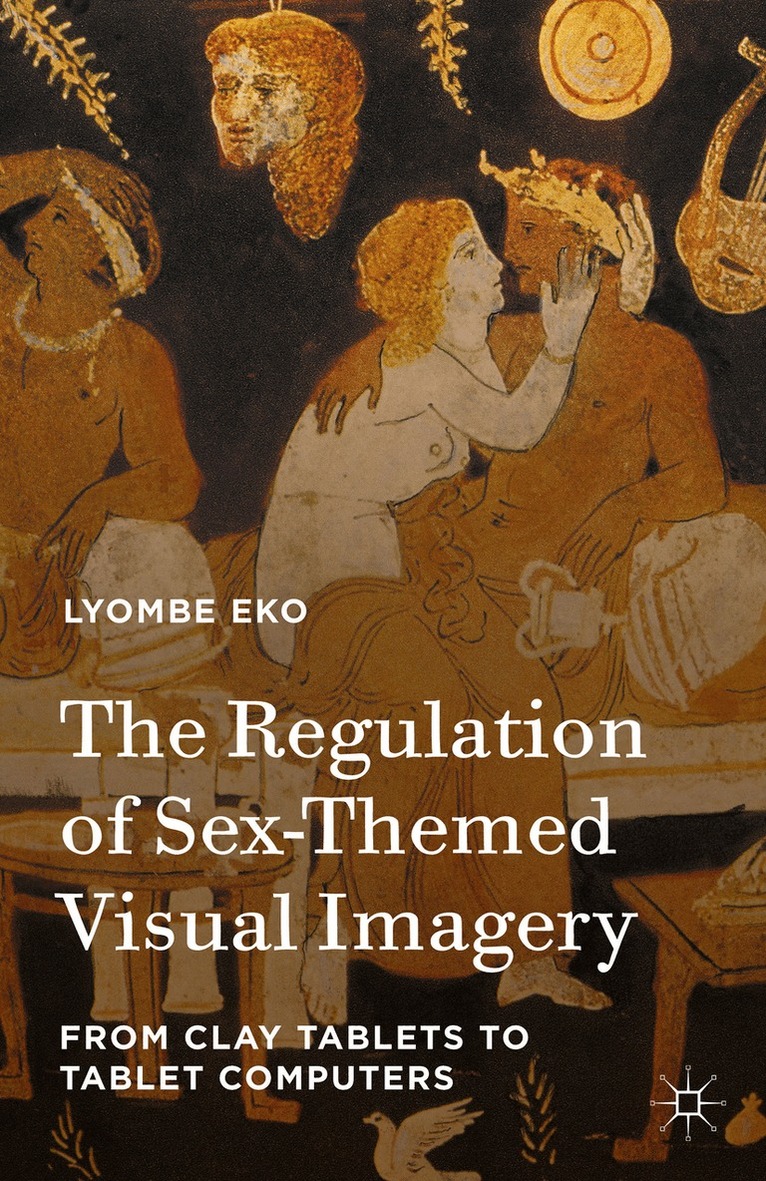
Lyombe Eko carries out an historical and cultural survey of the regulation of visual depictions of explicit human sexual conduct from their earliest appearance on the clay tablets of the valley of the Tigris and Euphrates rivers in ancient Mesopotamia, to the tablet computers of Silicon Valley. The Regulation of Sex-Themed Visual Imagery analyzes the contemporary problem of the applicability of the human right of freedom of expression to explicit imagery in the face of societal interests in the regulation of representations of human sexuality. This book will be of interest to scholars, students, and broad audiences interested in comparative studies in pornography regulation, the history of pornography, the law of pornography and obscenity, and visual culture and history alike.
Häftad, Engelska, 2025
707 kr
Skickas inom 5-8 vardagar
Inbunden, Engelska, 2019
919 kr
Skickas inom 10-15 vardagar
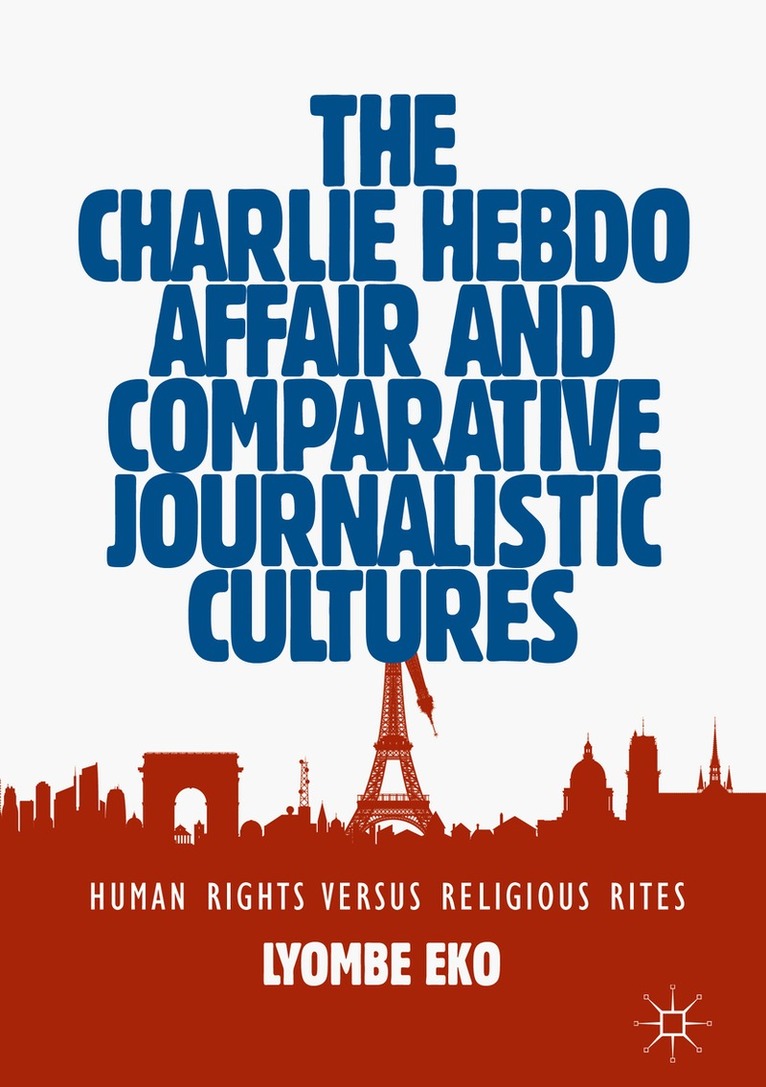
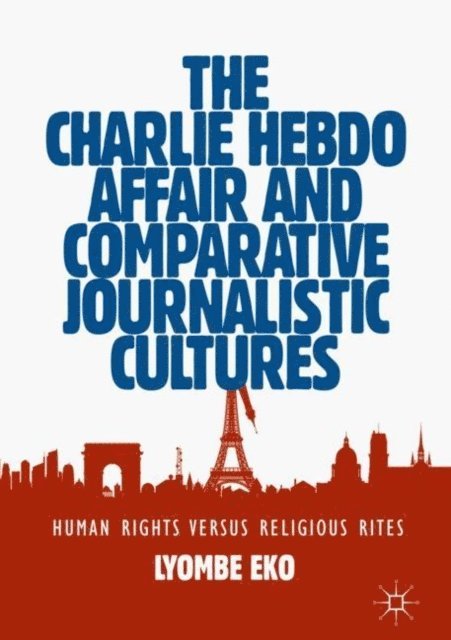
The Charlie Hebdo terrorist attack of January 7, 2015 shook French journalism to the core and reverberated around the world, triggering a cascade of responses from journalists, media outlets, cartoonists and caricaturists from diverse geographies of freedom of expression and journalistic cultures. This book is a multifaceted case study that describes and explains sameness and difference in diverse journalistic conceptualizations of the Charlie Hebdo affair from a comparative, international perspective. It explores how different journalistic traditions, cultures, worldviews and styles conceptualized and reacted to the clash between freedom of expression and respect for religious sentiments in the context of terrorism, where those sentiments are imposed on the media and secular societies through intimidation, coercion and violence. The book analyzes the political and cultural clashes between the core human right of freedom of expression, and rite of respect for religious sentiments, which is situated on the outer periphery of the human right of freedom of religion. It also examines how media outlets, editors, and cartoonists from different politico-cultural contexts and journalistic cultures in Africa, Asia, Europe, the Middle East, and North and South America, addressed the delicate issue of Mohammed cartoons in general, and the problem of (re)publication of the controversial Charlie Hebdo Je Suis Charlie Mohammed cartoon, in particular.
E-bok
Engelska, 2019870 kr
Läs direkt efter köp
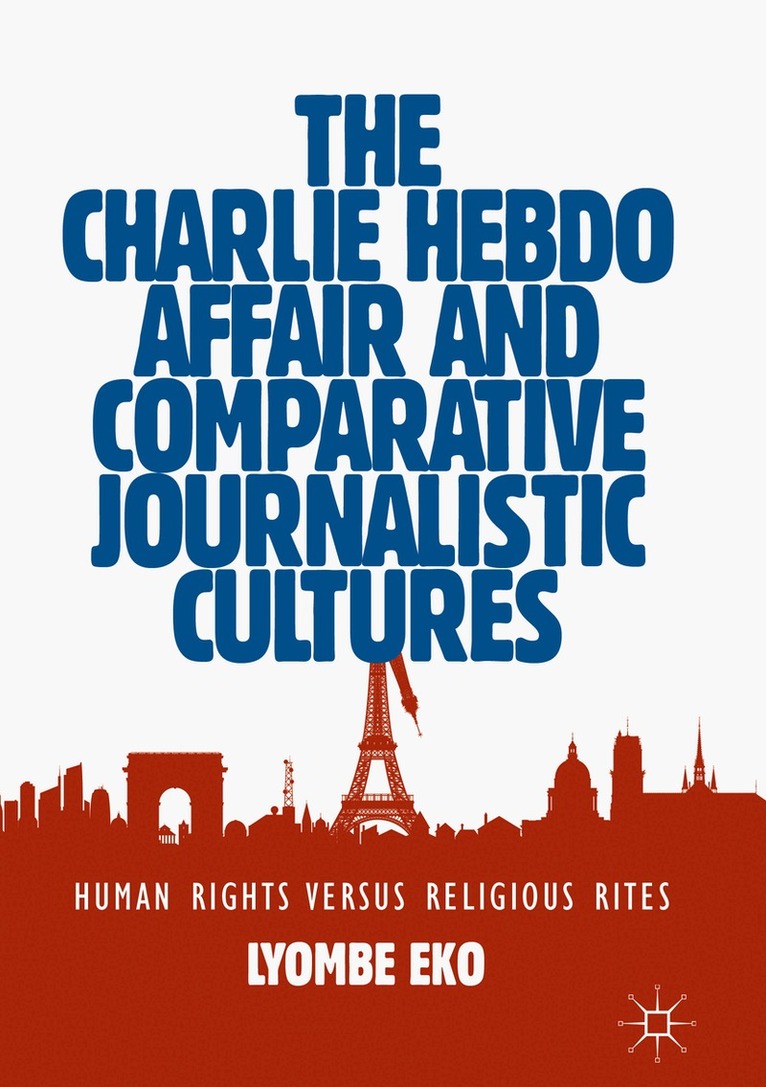
The Charlie Hebdo terrorist attack of January 7, 2015 shook French journalism to the core and reverberated around the world, triggering a cascade of responses from journalists, media outlets, cartoonists and caricaturists from diverse geographies of freedom of expression and journalistic cultures. This book is a multifaceted case study that describes and explains sameness and difference in diverse journalistic conceptualizations of the Charlie Hebdo affair from a comparative, international perspective. It explores how different journalistic traditions, cultures, worldviews and styles conceptualized and reacted to the clash between freedom of expression and respect for religious sentiments in the context of terrorism, where those sentiments are imposed on the media and secular societies through intimidation, coercion and violence. The book analyzes the political and cultural clashes between the core human right of freedom of expression, and rite of respect for religious sentiments, which is situated on the outer periphery of the human right of freedom of religion. It also examines how media outlets, editors, and cartoonists from different politico-cultural contexts and journalistic cultures in Africa, Asia, Europe, the Middle East, and North and South America, addressed the delicate issue of Mohammed cartoons in general, and the problem of (re)publication of the controversial Charlie Hebdo Je Suis Charlie Mohammed cartoon, in particular.
Häftad, Engelska, 2020
650 kr
Skickas inom 10-15 vardagar
The Charlie Hebdo terrorist attack of January 7, 2015 shook French journalism to the core and reverberated around the world, triggering a cascade of responses from journalists, media outlets, cartoonists and caricaturists from diverse geographies of freedom of expression and journalistic cultures. This book is a multifaceted case study that describes and explains sameness and difference in diverse journalistic conceptualizations of the Charlie Hebdo affair from a comparative, international perspective. It explores how different journalistic traditions, cultures, worldviews and styles conceptualized and reacted to the clash between freedom of expression and respect for religious sentiments in the context of terrorism, where those sentiments are imposed on the media and secular societies through intimidation, coercion and violence. The book analyzes the political and cultural clashes between the core human right of freedom of expression, and rite of respect for religious sentiments, which is situated on the outer periphery of the human right of freedom of religion. It also examines how media outlets, editors, and cartoonists from different politico-cultural contexts and journalistic cultures in Africa, Asia, Europe, the Middle East, and North and South America, addressed the delicate issue of Mohammed cartoons in general, and the problem of (re)publication of the controversial Charlie Hebdo Je Suis Charlie Mohammed cartoon, in particular.