M. Hank Haeusler - Böcker
Visar alla böcker från författaren M. Hank Haeusler. Handla med fri frakt och snabb leverans.
2 produkter
2 produkter
414 kr
Skickas inom 7-10 vardagar
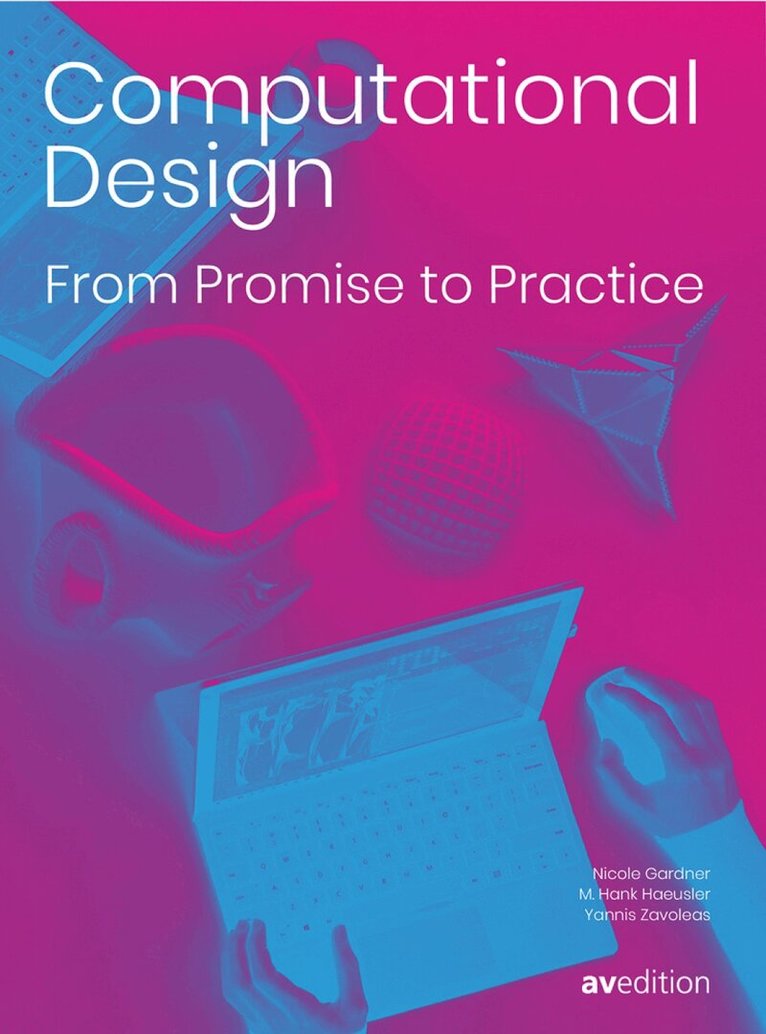
Computational design is an evolving discipline that operates at the intersection of computer science, engineering, and design. It helps designers leverage technology to develop new strategies, tools, methods, and workflows for thinking about and creating the built environment. While computational design thinking and methods are considered transformative in the architecture, engineering and construction industries, the shift from promise to practice remains a challenge.This book documents the nexus of research and practical collaborations that form the basis of the Computational Design Education and Research program at the University of New South Wales, Australia. The diversity of projects outlined in this publication contributes to advancing an understanding of computational design as an interdisciplinary field that is capable of innovatively addressing real-world built environment challenges.Contents: Computational Design Theory, Digital Fabrication and Construction, Gaming and Visual Representation, Responsive Environments, Smart and Ubiquitous Cities, BIM Modeling
689 kr
Skickas
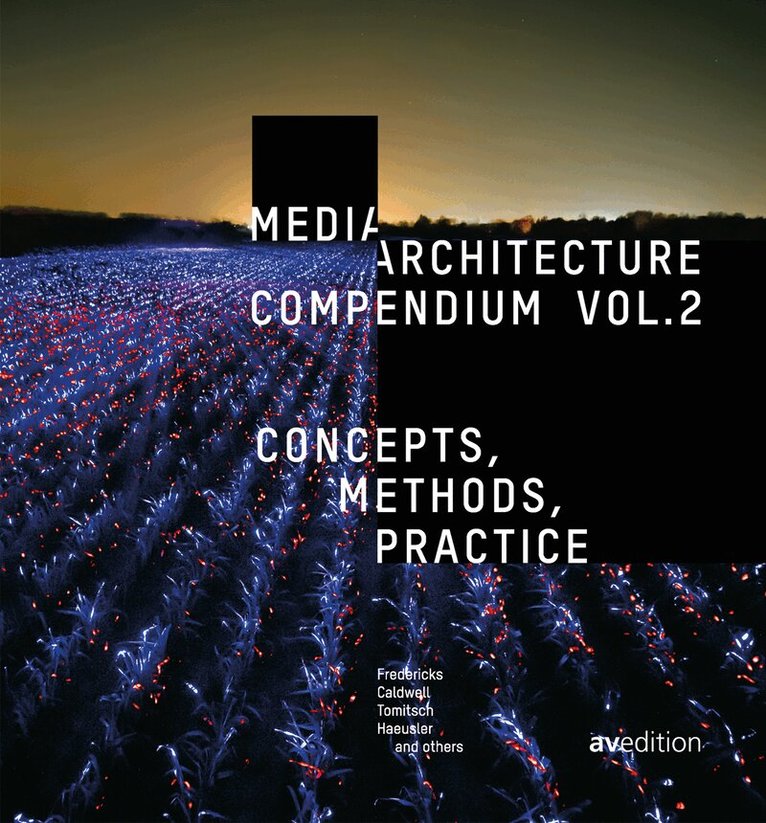
Media architecture has evolved from illuminating iconic building façades at night to characterising all life in cities. This compendium draws on academic research and global studies to present an evolutionary account of concepts that have defined the field and inspired practice, alongside methods for bringing media architecture thinking into projects. Thirty media architecture installations that were nominated for the Media Architecture Awards in 2018 and 2020 illustrate the breadth and trends in the field, including a shift towards more-than-human futures. Through its three parts, capturing concepts, methods and practice, the compendium offers an accessible guide to media architecture for designers, architects, artists, scholars, educators and learners. Several of the authors are board members of the Media Architecture Institute, a non-profit organisation with offices in Vienna, Sydney, Beijing and Toronto.