M. J. Reigosa Roger – författare
Visar alla böcker från författaren M. J. Reigosa Roger. Handla med fri frakt och snabb leverans.
4 produkter
4 produkter
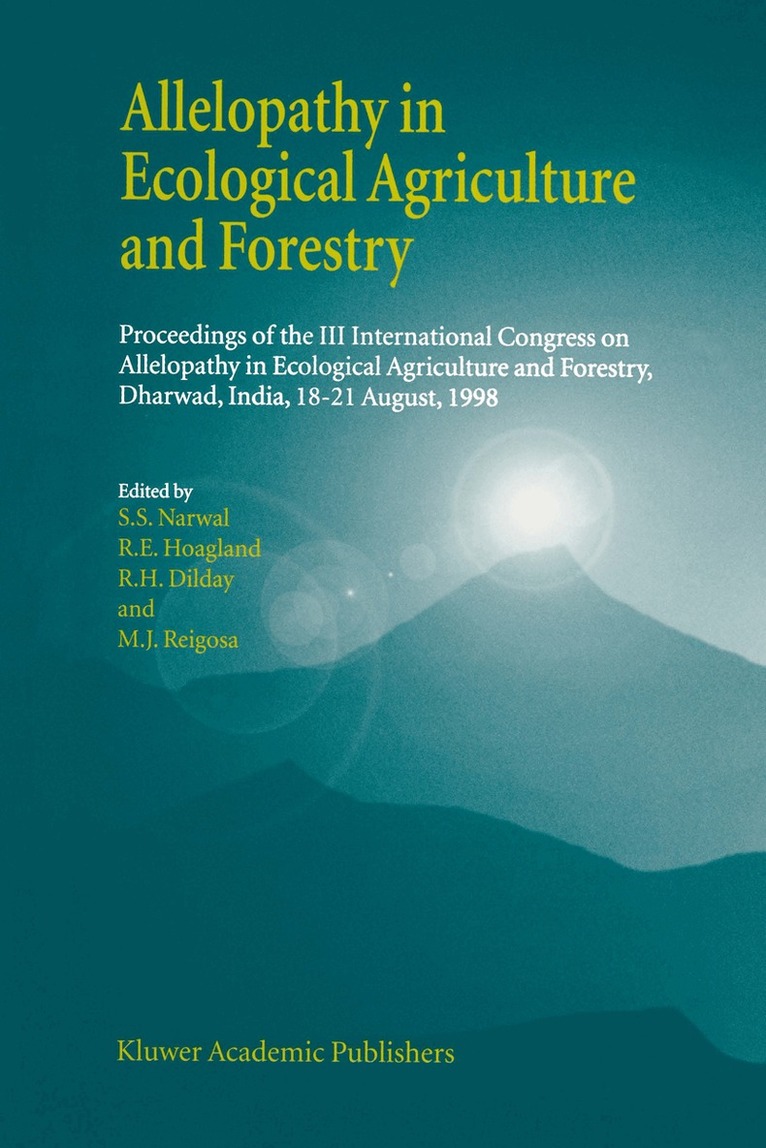
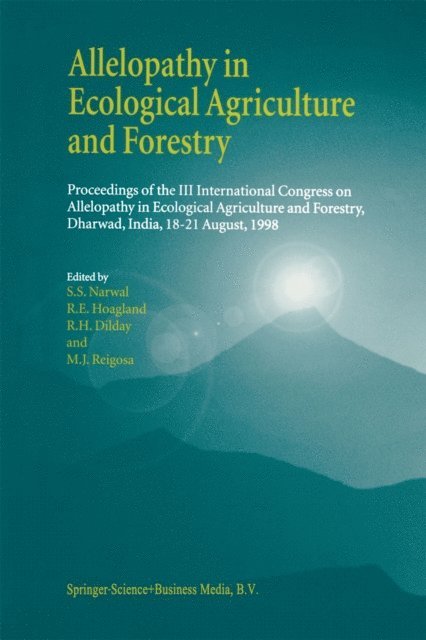
Allelopathy in Ecological Agriculture and Forestry
Proceedings of the III International Congress on Allelopathy in Ecological Agriculture and Forestry, Dharwad, India, 18–21 August 1998
Inbunden, Engelska, 2000
1 589 kr
Skickas inom 10-15 vardagar
The rapidly growing human population has increased the dependence on fossil fuel-based agrochemicals, such as fertilizers and pesticides, to produce the required agricultural and forestry products. This has exerted great pressure on non-renewable fossil fuel resources, which cannot last indefinitely. Not only do agrochemicals pollute the environment, but pests also become resistant to pesticides. Thus, present agricultural practices exploit natural resources, and damage fauna and flora and agroecosystems. One safe alternative to overcome these problems is the use of allelopathy to sustain development in agriculture and forestry and maintain a clean environment for future generations. This book is the Proceedings of the III International Congress on Allelopathy in Ecological Agriculture and Forestry, held on August 18-21, 1998, at the University of Agricultural Sciences, Dharwad, Karnataka, India, and provides an updated status of current allelopathy research in various leading countries, with the overall aim of developing new technologies for ecological agriculture and forestry in the 21st century.To date, no book on ecological agriculture has discussed these aspects, hence it is the first time that such information is available. The chapter contributors are leading specialists in their fields, and all chapters have been peer-reviewed by international referees. This book will be indispensable for agricultural scientists (agronomists, entomologists, nematologists, plant pathologists, horticulturists, plant breeders, agroforesters, foresters, soil scientists), bioscientists (biochemists, organic chemists, plant ecologists, microbiologists and limnologists), environmentalists, graduate students and farmers, as well as for organizations engaged in sustainable agriculture and organic agriculture.
2 117 kr
Skickas inom 10-15 vardagar
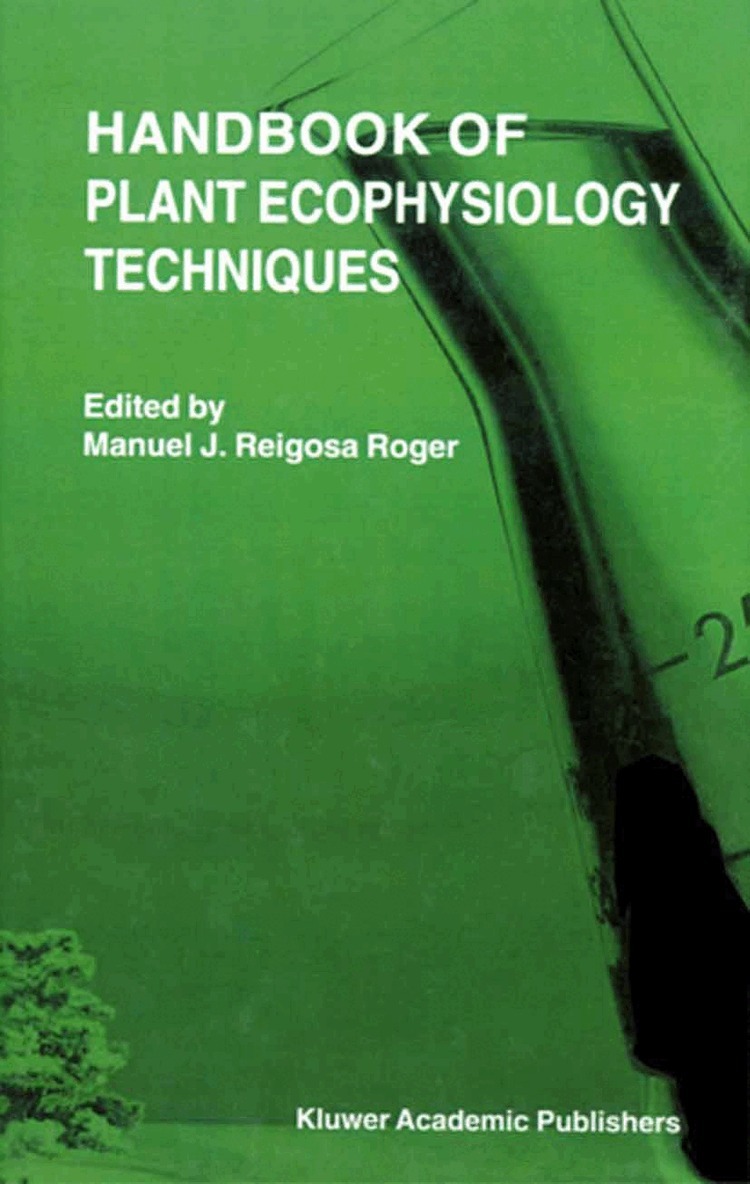
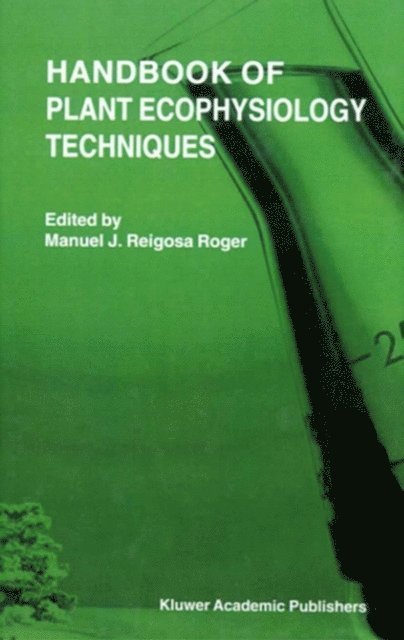
This book is intended for people interested in plant ecophysiology research or related sciences. It should also be useful for scientists working in forestry or agronomy. Twenty-seven chapters cover a whole range of techniques, from electron microscopy applied to seed germination, flow cytometry applied to different measures, cell cycle studies, field and lab measures related to photosynthesis (from pigments to gas exchange and fluorescence), determination of water-related parameters, and techniques to measure phenolics, total soluble proteins, stress proteins, polyamines, proline, RubisCO activity, ATPases, ABA, and ion interchange. Each chapter includes both physiological aspects of the measured parameter and the chosen reference technique for that parameter. A special emphasis is put on allelopathy research, although the book will be valuable for the study of any kind of stress. All chapters can be read independently, and both expert and inexperienced scientists will be able to take advantage of the handbook.
2 117 kr
Skickas inom 10-15 vardagar
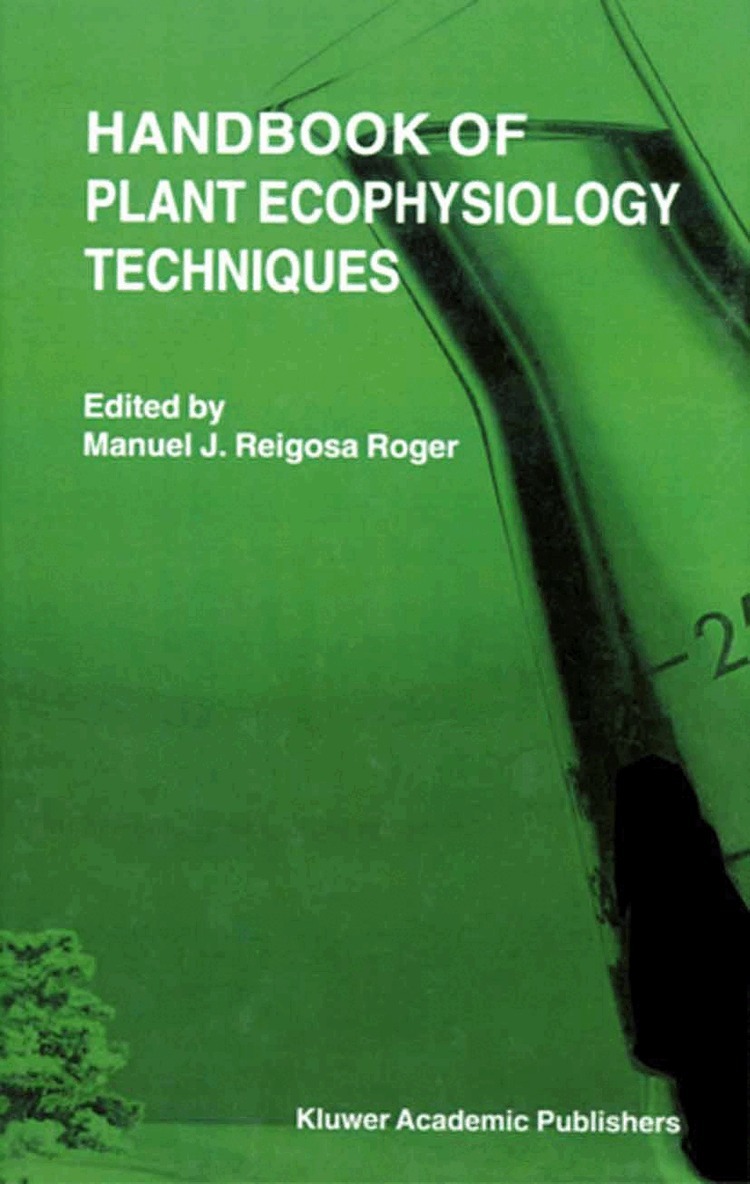
This book is intended for people interested in plant ecophysiology research or related sciences. It will also be useful for scientists working in forestry or agronomy. Twenty-seven chapters cover a wide variety of techniques, from electron microscopy applied to seed germination, flow cytometry applied to different measures, cell cycle studies, field and lab measures related to photosynthesis (from pigments to gas exchange and fluorescence), determination of water-related parameters, and techniques to measure phenolics, total soluble proteins, stress proteins, polyamines, proline, RubisCO activity, ATPases, ABA, and ion interchange. Each chapter includes both physiological aspects of the measured parameter and the chosen reference technique for that parameter. A special emphasis is put on allelopathy research, although the book will be valuable for the study of any kind of stress. All chapters can be read independently, and both expert and inexperienced scientists will be able to take advantage of the handbook.
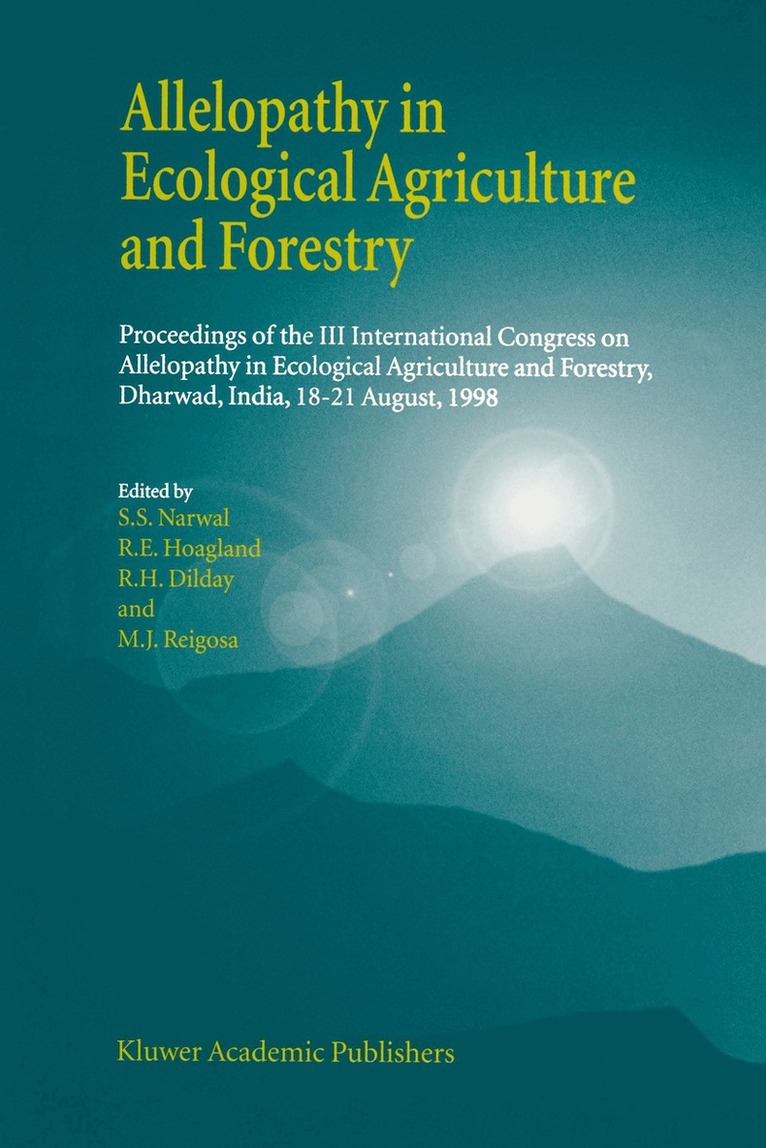
Allelopathy in Ecological Agriculture and Forestry
Proceedings of the III International Congress on Allelopathy in Ecological Agriculture and Forestry, Dharwad, India, 18–21 August 1998
Häftad, Engelska, 2012
1 589 kr
Skickas inom 10-15 vardagar
The rapidly growing human population has increased the dependence on fossil fuel based agrochemicals such as fertilizers and pesticides to produce the required agricultural and forestry products. This has exerted a great pressure on the non renewable fossil fuel resources, which cannot last indefinitely. Besides, indiscriminate use ofpesticides for pests (weeds, insects, nematodes, pathogens) control has resulted in serious ecological and environmental problems viz. , (A) Increasing incidence of resistance in pest organisms to important pesticides. (B) Shift in pests population, particulary in weeds and insects. In weeds, species that are more closely related to the crops they infest have developed. In insects, scenario is most grim, the predators have been killed and minor insect pests have become major pests and require very heavy doses ofhighly toxic insecticides for their control. (C) Greater environmental pollution and health hazards (a) particularly from contamination of surface and underground drinking water resources and (b) from their inhalation during handling and application. (D) Toxic residues of pesticides pollute the environment and may prove hazardous to even our future generations. (E) Some agricultural commodities may contain minute quantities ofpesticides residues, with long tenn adverse effects on human and livestock health. Therefore, serious ecological questions about the reliance on pesticides for pests control has been raised. The use of fertilizers, besides causing environmental problems has also impoverished the soil health and decreased the beneficial soil fauna. For example, in some major crop rotations viz.