M. Maroni – författare
Visar alla böcker från författaren M. Maroni. Handla med fri frakt och snabb leverans.
6 produkter
6 produkter
E-bok
PDF, Engelska, 19954 397 kr
Läs direkt efter köp
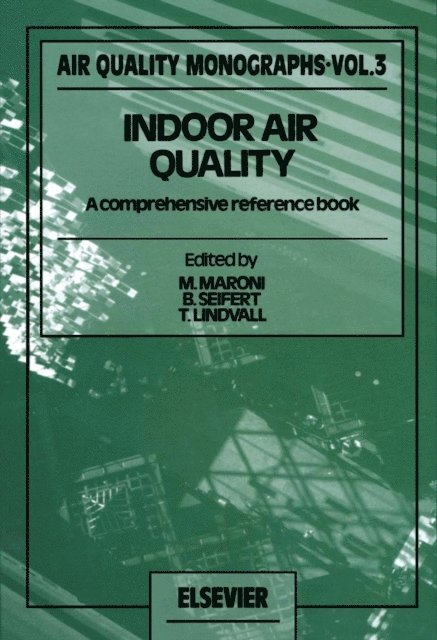
People spend most of their time indoors, and indoor air pollutants can cause both long and short term health effects. Awareness of indoor air pollution as an environmental issue, however, is relatively new. This book has been prepared to offer an up-to-date, comprehensive reference manual on indoor air quality to scientists and professionals active in this area. The intention of the book is to bring together a collection of contributions from specialists in the specific disciplines of indoor air quality, covering all points of view from various angles, from building design and building sciences, to health effects and medical diagnosis, toxicology of indoor air pollutants, and air sampling and analysis. One of the characteristics of this book is the multidisciplinary approach that integrates the expertise of medical doctors, architects, engineers, chemists, biologists, physicists and toxicologists. The resulting product is of great educational value and recommended for consultation as well as teaching purposes. The panel of conrtibuting authors includes top experts on indoor air worldwide, who have participated in international workshops and led the development of indoor air sciences over the recent years.
Inbunden, Engelska, 1995
2 202 kr
Skickas inom 10-15 vardagar
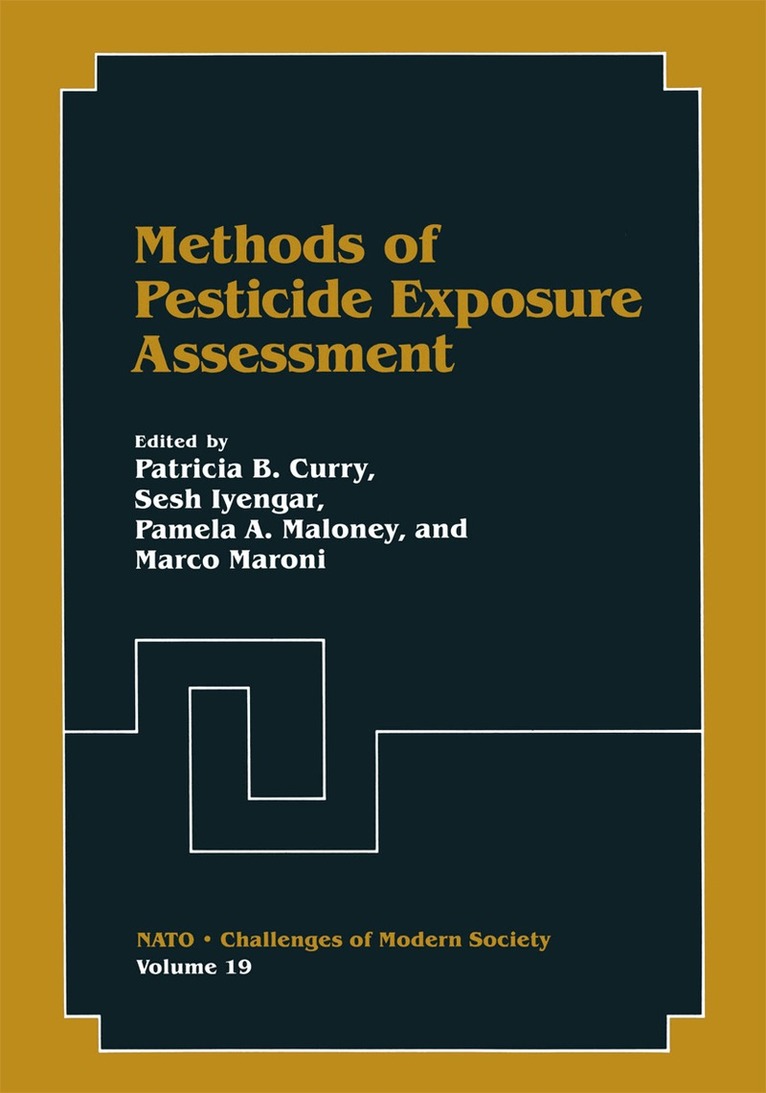
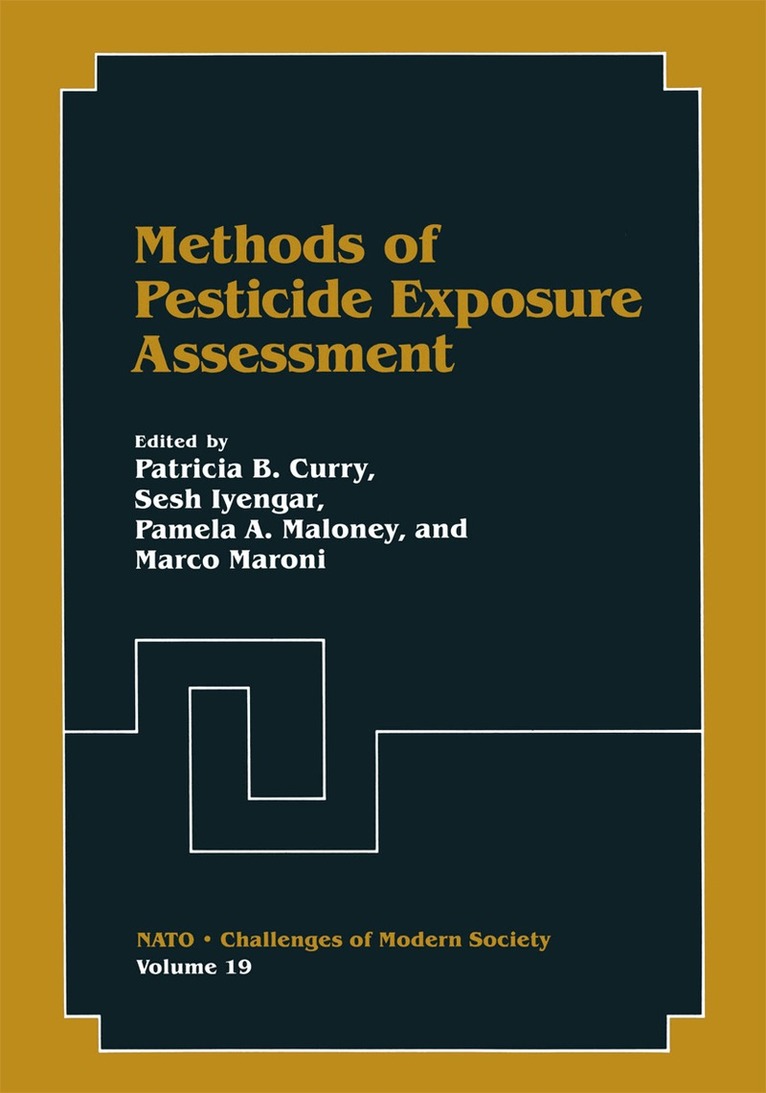
This book is a summary of the presentations and discussions at the Workshop on Methods of Pesticide Exposure Assessment held in Ottawa, Canada, on October 5-8, 1993. The event was a joint effort of Health Canada and the North Atlantic Treaty Organisation and was officially supported by the United States Environmental Agency and the Organisation for Economic Co-operation and Development (OECD). The goal of the workshop was to examine current issues in the field of pesticide exposure assessment with the aim of reaching an internationally harmonized approach to methods of exposure assessment. With regulatory agencies of OECD Member countries moving towards the harmonization of data requirements, it was timely and beneficial to bring together international experts in the field of pesticide exposure assessment to discuss current issues. Approximately 60 delegates and 20 observers participated, including individuals from 15 different countries representing academia, government, industry and international organizations. A guidance document on methods of pesticide exposure assessment was presented as a means to achieving the goal of international for critique and discussion harmonization. After extensive discussion, the workshop delegates agreed in principle to procedures for revising the guidance document. Following revision and further review by a designated peer review group, the revised document will be submitted to the OECD for consideration as a draft OECD Guidance Document on pesticide exposure assessment methods. Both the revised and original documents are included in these proceedings.
Inbunden, Engelska, 1996
2 221 kr
Skickas inom 10-15 vardagar
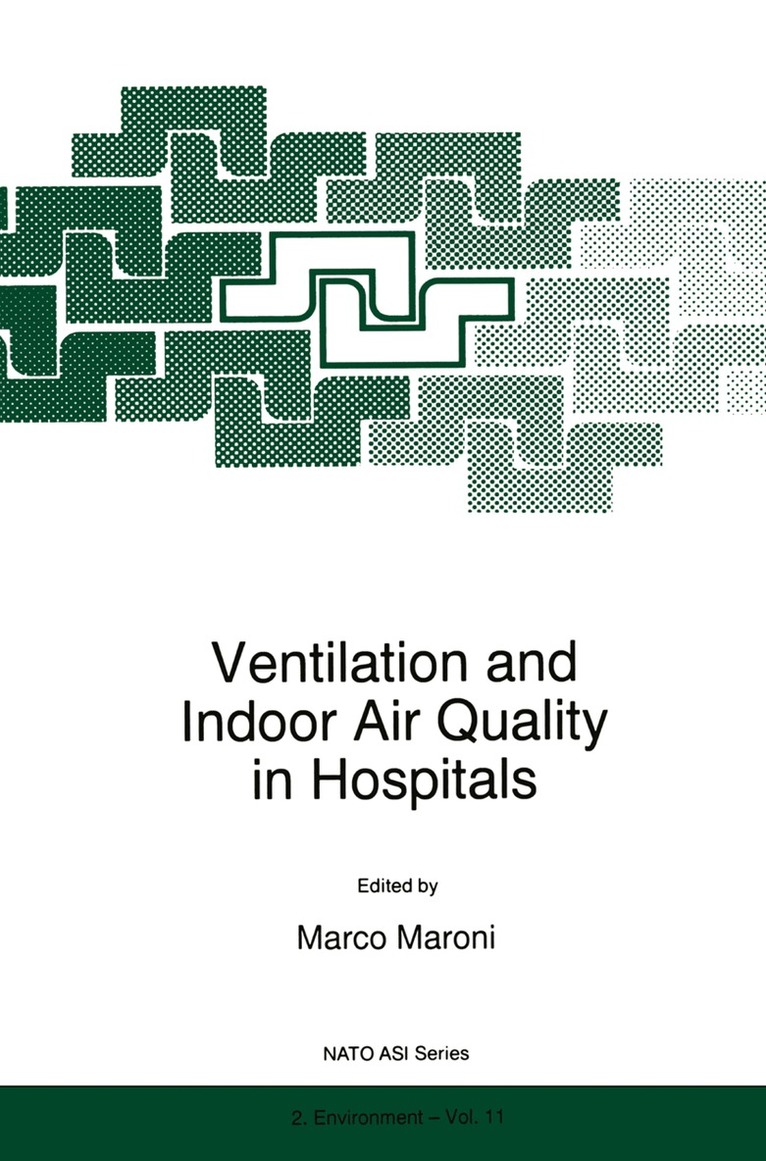
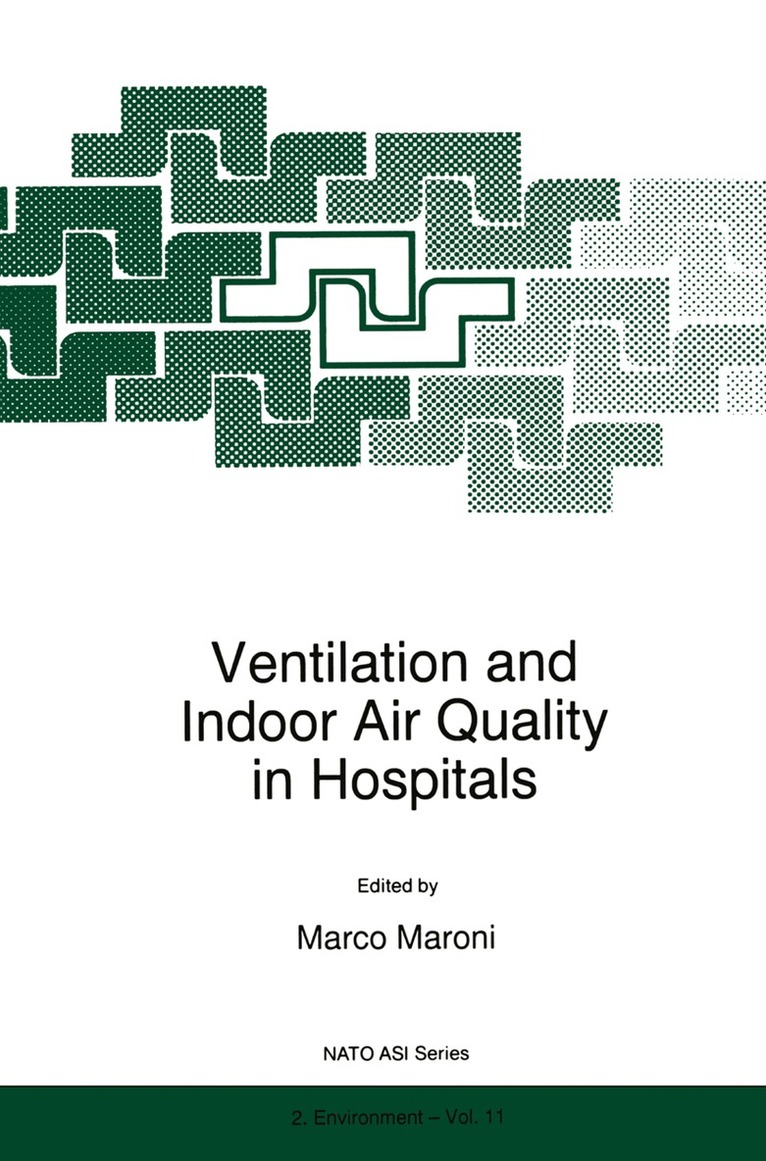
This work is divided into six main sections. The first deals with the major issues related to indoor air quality in hospitals, reviewed from North American, Scandinavian, Italian and Russian perspectives. The second section discusses the ventilation requirements in hospitals, with particular focus on the design and maintenance of the ventilation systems and the provision of clean air to critical areas, such as infectious disease wards, surgical theatres, etc. The third section deals with chemical and biological air pollution in hospitals and collects papers from surveys carried out in various countries. Section 4 treats airborne allergens in hospitals. Health care personnel are having to deal with new problems as a result of exposure to allergens, and these are illustrated by studies performed in North America and England. Section 5 describes the technical aspects of ventilation in hospitals and strategies for air quality management, collecting technical and organizational proposals for solving some of the problems associated with ventilation in hospitals.The main conclusions and recommendations of the workshop are presented in section 6, together with some future actions that are envisaged.
E-bok
PDF, Engelska, 20132 822 kr
Läs direkt efter köp
This book is a summary of the presentations and discussions at the Workshop on Methods of Pesticide Exposure Assessment held in Ottawa, Canada, on October 5-8, 1993. The event was a joint effort of Health Canada and the North Atlantic Treaty Organisation and was officially supported by the United States Environmental Agency and the Organisation for Economic Co-operation and Development (OECD). The goal of the workshop was to examine current issues in the field of pesticide exposure assessment with the aim of reaching an internationally harmonized approach to methods of exposure assessment. With regulatory agencies of OECD Member countries moving towards the harmonization of data requirements, it was timely and beneficial to bring together international experts in the field of pesticide exposure assessment to discuss current issues. Approximately 60 delegates and 20 observers participated, including individuals from 15 different countries representing academia, government, industry and international organizations. A guidance document on methods of pesticide exposure assessment was presented as a means to achieving the goal of international for critique and discussion harmonization. After extensive discussion, the workshop delegates agreed in principle to procedures for revising the guidance document. Following revision and further review by a designated peer review group, the revised document will be submitted to the OECD for consideration as a draft OECD Guidance Document on pesticide exposure assessment methods. Both the revised and original documents are included in these proceedings.
Häftad, Engelska, 2013
2 221 kr
Skickas inom 10-15 vardagar
This book is a summary of the presentations and discussions at the Workshop on Methods of Pesticide Exposure Assessment held in Ottawa, Canada, on October 5-8, 1993. The event was a joint effort of Health Canada and the North Atlantic Treaty Organisation and was officially supported by the United States Environmental Agency and the Organisation for Economic Co-operation and Development (OECD). The goal of the workshop was to examine current issues in the field of pesticide exposure assessment with the aim of reaching an internationally harmonized approach to methods of exposure assessment. With regulatory agencies of OECD Member countries moving towards the harmonization of data requirements, it was timely and beneficial to bring together international experts in the field of pesticide exposure assessment to discuss current issues. Approximately 60 delegates and 20 observers participated, including individuals from 15 different countries representing academia, government, industry and international organizations. A guidance document on methods of pesticide exposure assessment was presented as a means to achieving the goal of international for critique and discussion harmonization. After extensive discussion, the workshop delegates agreed in principle to procedures for revising the guidance document. Following revision and further review by a designated peer review group, the revised document will be submitted to the OECD for consideration as a draft OECD Guidance Document on pesticide exposure assessment methods. Both the revised and original documents are included in these proceedings.
Häftad, Engelska, 2010
2 221 kr
Skickas inom 10-15 vardagar
The contents of Ventilation and Indoor Air Quality in Hospitals are arranged in six main sections. The first section deals with the major issues related to indoor air quality in hospitals, reviewed from North American, Scandinavian, Italian and Russian perspectives. The second section discusses the ventilation requirements in hospitals, with particular focus on the design and maintenance of the ventilation systems and the provision of clean air to critical areas, such as infectious disease wards, surgical theatres, etc. The third section deals with chemical and biological air pollution in hospitals and collects papers from surveys carried out in various countries. Section 4 treats airborne allergens in hospitals. Health care personnel are having to deal with new problems as a result of exposure to allergens, and these are illustrated by studies performed in North America and England. Section 5 describes the technical aspects of ventilation in hospitals and strategies for air quality management, collecting technical and organizational proposals for solving some of the problems associated with ventilation in hospitals.The main conclusions and recommendations of the workshop are presented in section 6, together with some future actions that are envisaged.