Magdalena Kay – författare
Visar alla böcker från författaren Magdalena Kay. Handla med fri frakt och snabb leverans.
10 produkter
10 produkter
Häftad, Engelska, 2020
781 kr
Skickas inom 10-15 vardagar
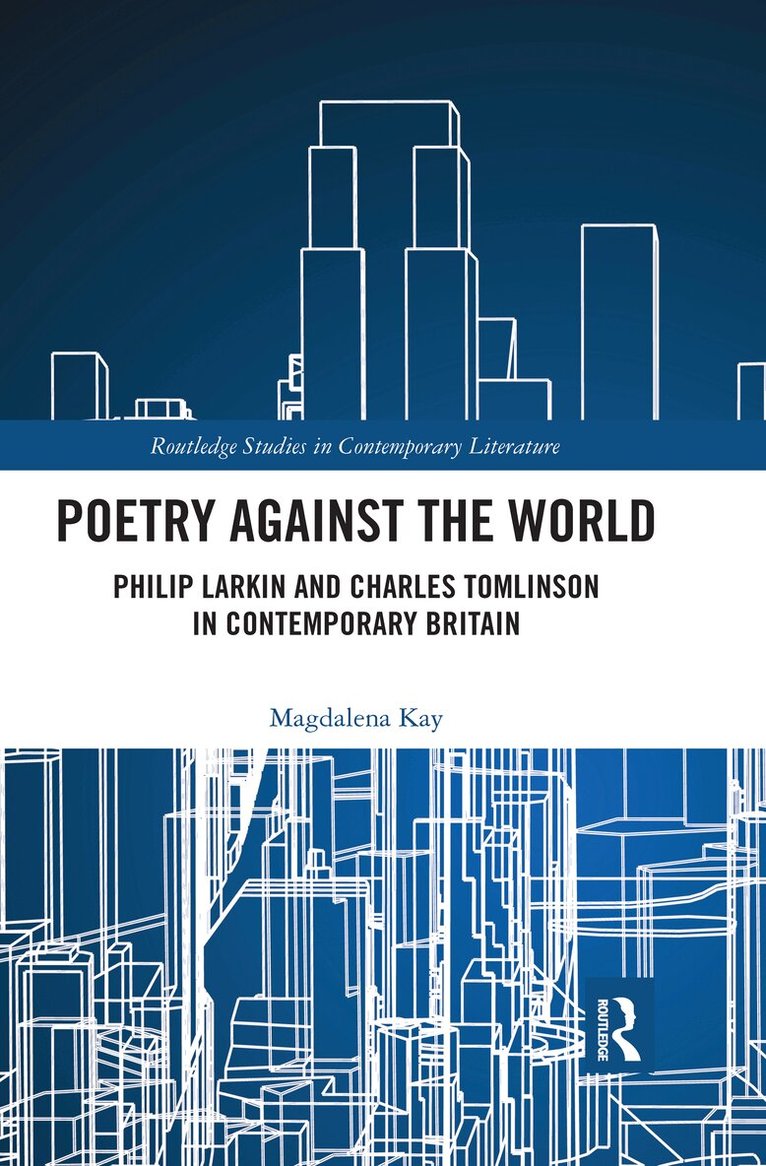
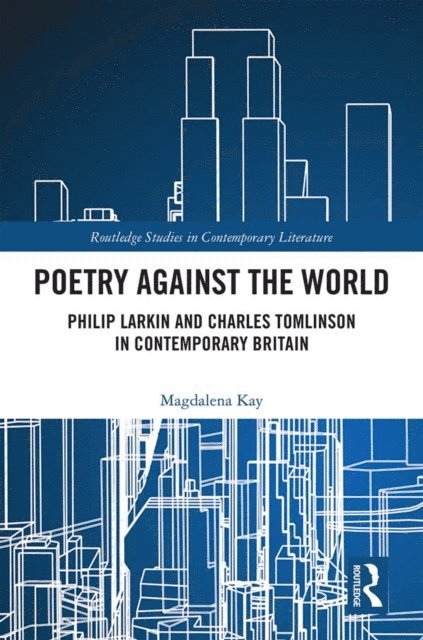
Poetry Against the World: Philip Larkin and Charles Tomlinson in Contemporary Britain brings together two major poets, who espouse opposite aesthetic ambitions, yet are both taken as paragons of Englishness, in order to ask how they pitch their poetry against an inhospitable world. This book explores how these two representative poets seek to redress an "age of demolition" through their poetry, and how their audiences react to the types of redress they propose.
Inbunden, Engelska, 2018
2 505 kr
Skickas inom 10-15 vardagar
Poetry Against the World: Philip Larkin and Charles Tomlinson in Contemporary Britain brings together two major poets, who espouse opposite aesthetic ambitions, yet are both taken as paragons of Englishness, in order to ask how they pitch their poetry against an inhospitable world. This book explores how these two representative poets seek to redress an "age of demolition" through their poetry, and how their audiences react to the types of redress they propose.
E-bok
Engelska, 2018896 kr
Läs direkt efter köp
Poetry Against the World: Philip Larkin and Charles Tomlinson in Contemporary Britain brings together two major poets, who espouse opposite aesthetic ambitions, yet are both taken as paragons of Englishness, in order to ask how they pitch their poetry against an inhospitable world. This book explores how these two representative poets seek to redress an "age of demolition" through their poetry, and how their audiences react to the types of redress they propose.
E-bok
PDF, Engelska, 2018896 kr
Läs direkt efter köp
Poetry Against the World: Philip Larkin and Charles Tomlinson in Contemporary Britain brings together two major poets, who espouse opposite aesthetic ambitions, yet are both taken as paragons of Englishness, in order to ask how they pitch their poetry against an inhospitable world. This book explores how these two representative poets seek to redress an "age of demolition" through their poetry, and how their audiences react to the types of redress they propose.
Inbunden, Engelska, 2012
2 228 kr
Skickas inom 10-15 vardagar
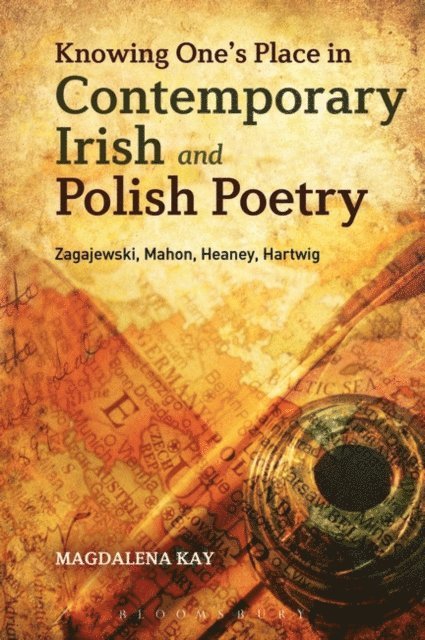
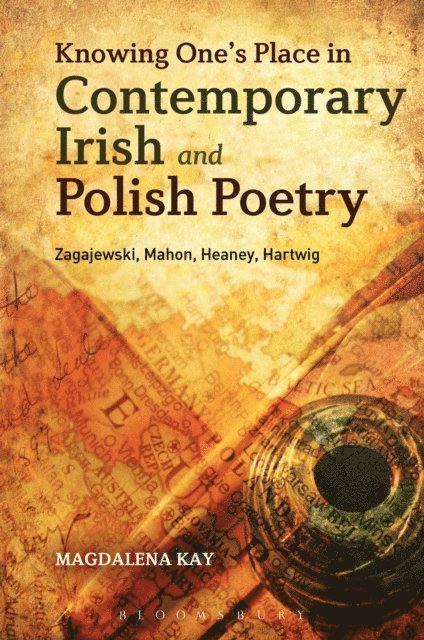
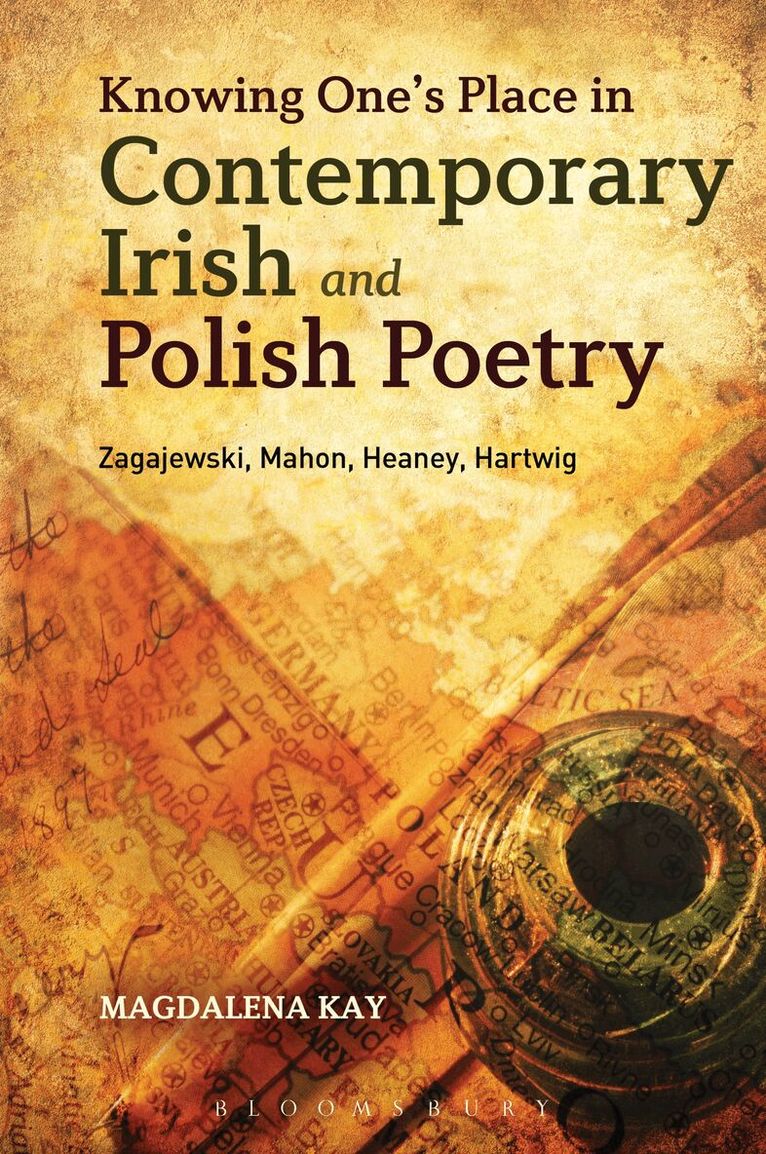
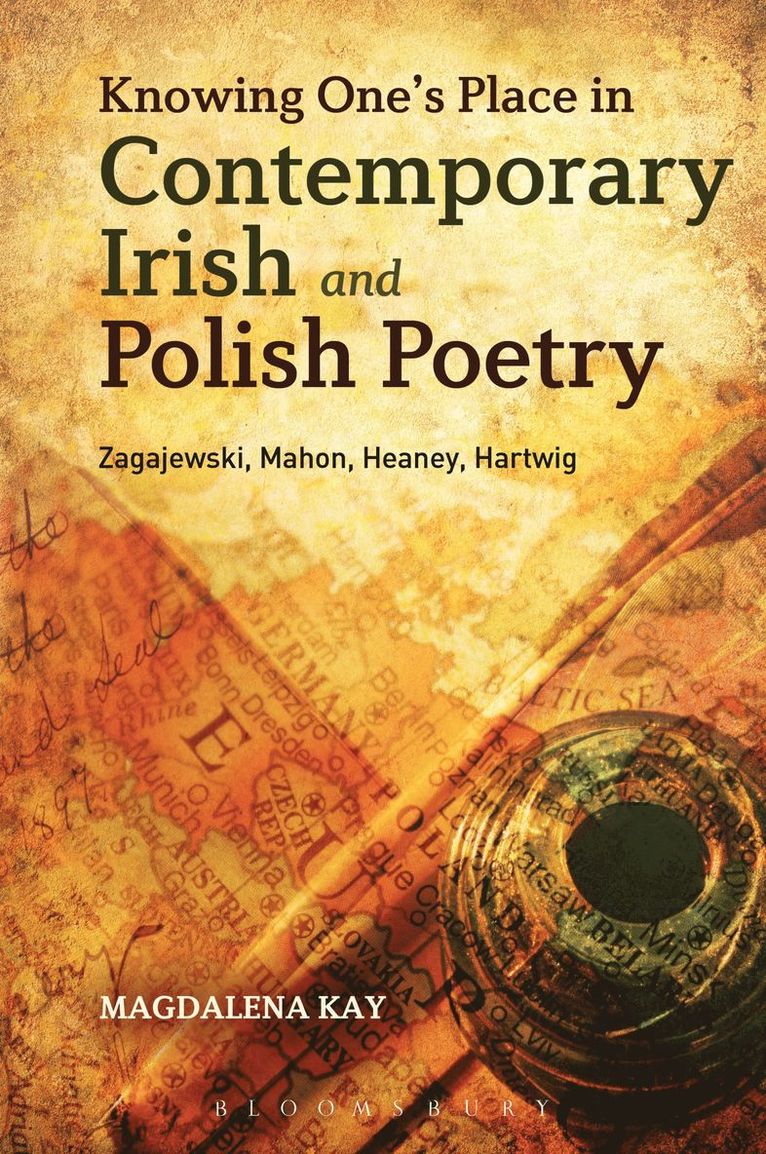
This title studies how poets from two postcolonial countries, Ireland and Poland, refuse the consolations of roots and belonging, and search for non-traditional modes of exploring identity. Are we allowed to choose where we belong? What pressures make us feel that we should belong somewhere? This book brings together four major poets - Heaney, Mahon, Zagajewski, and Hartwig - who ask themselves these questions throughout their lives. They start by assuming that we can choose not to belong, but know this is easier said than done. Something in them is awry, leading them to travel, emigrate, and return dissatisfied with all forms of belonging. Writer after writer has suggested that Polish and Irish literature bear some uncanny similarities, particularly in the twentieth century, but few have explored these similarities in depth. Ireland and Poland, with their tangled histories of colonization, place a large premium upon knowing one's place. What happens, though, when a poet makes a career out of refusing to know her place in the way her culture expects?This book explores the consequences of this refusal, allowing these poets to answer such questions through their own poems, leading to surprising conclusions about the connection of knowledge and belonging, roots and identity.
E-bok
PDF, Engelska, 2012655 kr
Läs direkt efter köp
Are we allowed to choose where we belong? What pressures make us feel that we should belong somewhere? This book brings together four major poets-Heaney, Mahon, Zagajewski, and Hartwig-who ask themselves these questions throughout their lives. They start by assuming that we can choose not to belong, but know this is easier said than done. Something in them is awry, leading them to travel, emigrate, and return dissatisfied with all forms of belonging. Writer after writer has suggested that Polish and Irish literature bear some uncanny similarities, particularly in the 20th century, but few have explored these similarities in depth. Ireland and Poland, with their tangled histories of colonization, place a large premium upon knowing one''s place. What happens, though, when a poet makes a career out of refusing to know her place in the way her culture expects? This book explores the consequences of this refusal, allowing these poets to answer such questions through their own poems, leading to surprising conclusions about the connection of knowledge and belonging, roots and identity.
E-bok
Engelska, 2012661 kr
Läs direkt efter köp
Are we allowed to choose where we belong? What pressures make us feel that we should belong somewhere? This book brings together four major poets-Heaney, Mahon, Zagajewski, and Hartwig-who ask themselves these questions throughout their lives. They start by assuming that we can choose not to belong, but know this is easier said than done. Something in them is awry, leading them to travel, emigrate, and return dissatisfied with all forms of belonging. Writer after writer has suggested that Polish and Irish literature bear some uncanny similarities, particularly in the 20th century, but few have explored these similarities in depth. Ireland and Poland, with their tangled histories of colonization, place a large premium upon knowing one''s place. What happens, though, when a poet makes a career out of refusing to know her place in the way her culture expects? This book explores the consequences of this refusal, allowing these poets to answer such questions through their own poems, leading to surprising conclusions about the connection of knowledge and belonging, roots and identity.
E-bok
PDF, Engelska, 2012966 kr
Läs direkt efter köp
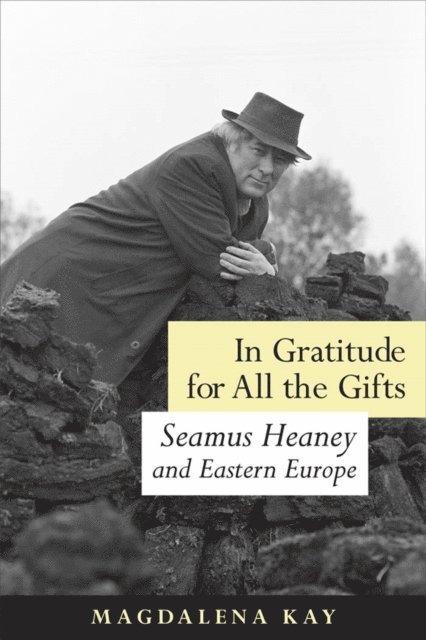
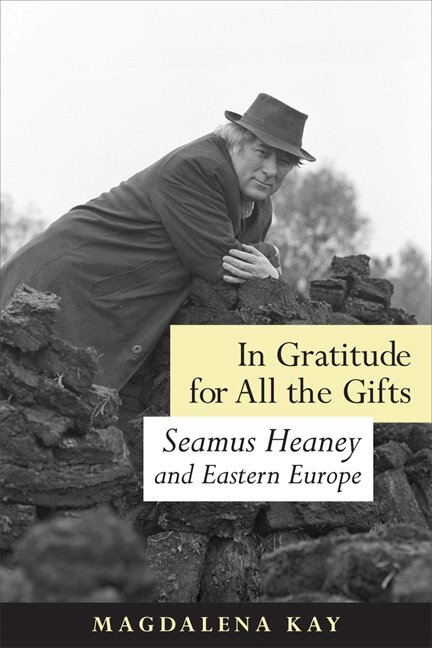
In Gratitude for All the Gifts explores the literary and cultural links between the bestselling, Nobel Prize-winning Northern Irish poet Seamus Heaney and the preeminent Eastern European poets of the twentieth century, including fellow Nobel laureate Czeslaw Milosz and Zbigniew Herbert. Magdalena Kay opens new ground in comparative literary studies with her close analysis of Heaney's poetic work from the perspective of the English-speaking West's attraction, and especially Heane''s own attraction, to Eastern European poetry.While placing Milosz and Herbert in their cultural contexts and keeping an eye on the poems in their original Polish, this innovative and energetic study focuses on how Heaney encountered their work in translation. In Gratitude for All the Gifts thus allows us to see what happens when poetic forms, histories, and themes travel between countries and encourages us to understand cultural crossing not just thematically, but also in terms of form, voice, and aesthetic intent.
E-bok
Engelska, 2012966 kr
Läs direkt efter köp
In Gratitude for All the Gifts explores the literary and cultural links between the bestselling, Nobel Prize-winning Northern Irish poet Seamus Heaney and the preeminent Eastern European poets of the twentieth century, including fellow Nobel laureate Czeslaw Milosz and Zbigniew Herbert. Magdalena Kay opens new ground in comparative literary studies with her close analysis of Heaney's poetic work from the perspective of the English-speaking West's attraction, and especially Heane''s own attraction, to Eastern European poetry.While placing Milosz and Herbert in their cultural contexts and keeping an eye on the poems in their original Polish, this innovative and energetic study focuses on how Heaney encountered their work in translation. In Gratitude for All the Gifts thus allows us to see what happens when poetic forms, histories, and themes travel between countries and encourages us to understand cultural crossing not just thematically, but also in terms of form, voice, and aesthetic intent.
Häftad, Engelska, 2014
626 kr
Skickas inom 10-15 vardagar
Are we allowed to choose where we belong? What pressures make us feel that we should belong somewhere? This book brings together four major poets—Heaney, Mahon, Zagajewski, and Hartwig—who ask themselves these questions throughout their lives. They start by assuming that we can choose not to belong, but know this is easier said than done. Something in them is awry, leading them to travel, emigrate, and return dissatisfied with all forms of belonging. Writer after writer has suggested that Polish and Irish literature bear some uncanny similarities, particularly in the twentieth century, but few have explored these similarities in depth. Ireland and Poland, with their tangled histories of colonization, place a large premium upon knowing one's place. What happens, though, when a poet makes a career out of refusing to know her place in the way her culture expects? This book explores the consequences of this refusal, allowing these poets to answer such questions through their own poems, leading to surprising conclusions about the connection of knowledge and belonging, roots and identity.