Magdalena Kraczla - Böcker
Visar alla böcker från författaren Magdalena Kraczla. Handla med fri frakt och snabb leverans.
3 produkter
3 produkter
2 232 kr
Skickas inom 10-15 vardagar
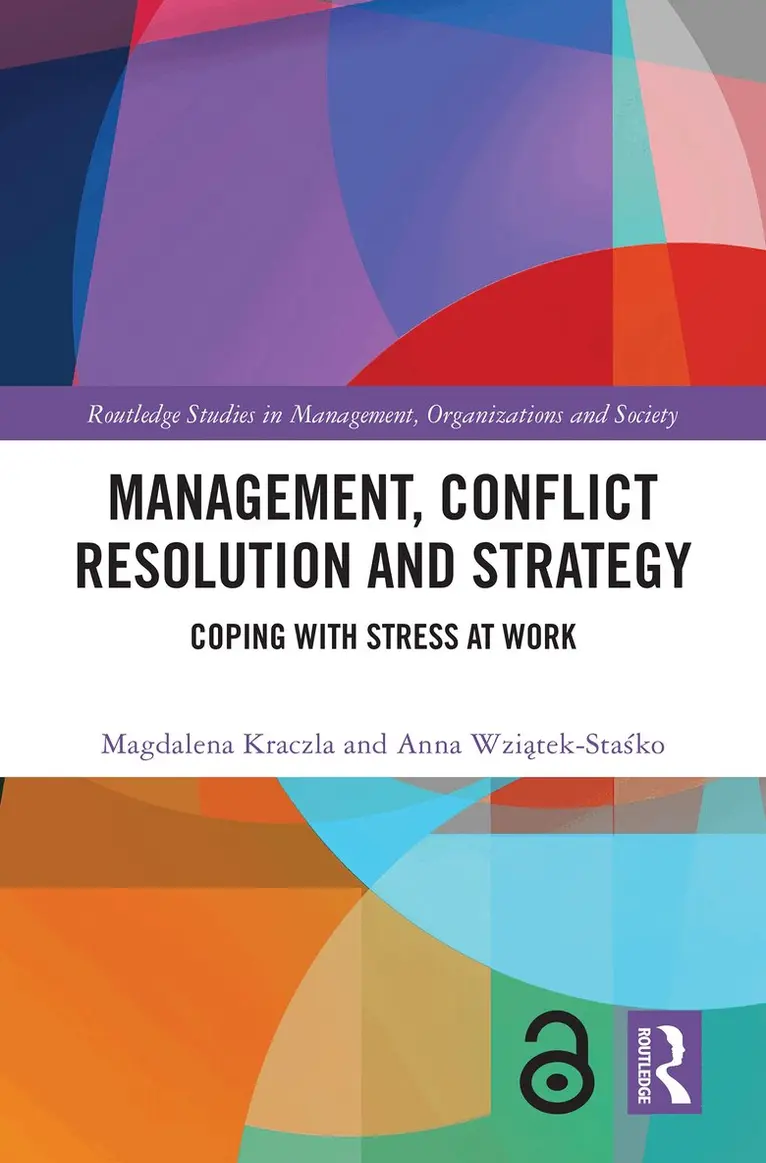
Managers are key people in building the success of any organization. Business results depend on their efficiency in the implementation of the power entrusted to them. This efficiency, on the other hand, largely depends on psychosocial competences and personality predispositions. One of the main factors affecting destructively on managers is stress, destroying the level of their motivation to work, the level of commitment and ultimately resulting in premature professional burnout and a significant reduction in the level of efficiency. Ultimately, instead of efficient and motivated specialists, companies are struggling with employees suffering from depression. Exploration of the issue of identifying the sources of stress draws attention to conflict as one of the main research categories that are closely related to the category of stress. It is worth emphasizing that this relationship is two-way: conflict determines the level of stress, stress may determine the scale of conflict situations. This recommended monograph provides the latest knowledge on what contemporary managers use conflict resolution styles and what strategies they choose to deal with in stressful situations. A particular advantage of the study is the presentation of the links between both research categories, which are so paramount nowadays.The Open Access version of this book, available at www.taylorfrancis.com, has been made available under a Creative Commons Attribution-Non Commercial-No Derivatives (CC-BY-NC-ND) 4.0 license. Any third party material in this book is not included in the OA Creative Commons license, unless indicated otherwise in a credit line to the material. Please direct any permissions enquiries to the original rightsholder.
647 kr
Skickas inom 10-15 vardagar
Managers are key people in building the success of any organization. Business results depend on their efficiency in the implementation of the power entrusted to them. This efficiency, on the other hand, largely depends on psychosocial competences and personality predispositions. One of the main factors affecting destructively on managers is stress, destroying the level of their motivation to work, the level of commitment and ultimately resulting in premature professional burnout and a significant reduction in the level of efficiency. Ultimately, instead of efficient and motivated specialists, companies are struggling with employees suffering from depression. Exploration of the issue of identifying the sources of stress draws attention to conflict as one of the main research categories that are closely related to the category of stress. It is worth emphasizing that this relationship is two-way: conflict determines the level of stress, stress may determine the scale of conflict situations. This recommended monograph provides the latest knowledge on what contemporary managers use conflict resolution styles and what strategies they choose to deal with in stressful situations. A particular advantage of the study is the presentation of the links between both research categories, which are so paramount nowadays.The Open Access version of this book, available at www.taylorfrancis.com, has been made available under a Creative Commons Attribution-Non Commercial-No Derivatives (CC-BY-NC-ND) 4.0 license. Any third party material in this book is not included in the OA Creative Commons license, unless indicated otherwise in a credit line to the material. Please direct any permissions enquiries to the original rightsholder.
2 113 kr
Kommande
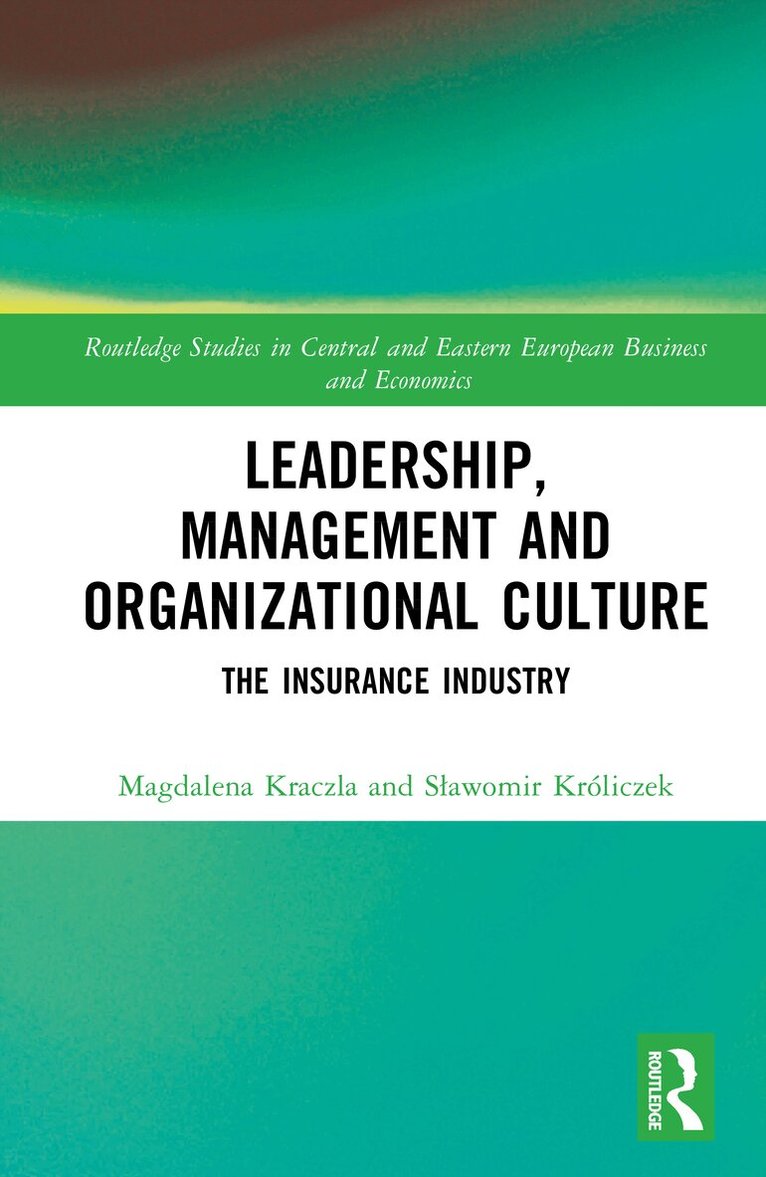
Leadership, Management, and Organizational Culture explores how leadership styles shape organizational culture in one of the world’s most dynamic and competitive sectors. This cutting-edge research monograph provides a deep dive into the interplay between leadership and culture, offering a framework to understand how effective management can foster innovation, adaptability, and holistic customer engagement. It examines organizational culture through multiple lenses—economic, psychological, social, and symbolic—emphasizing the critical role of leadership in meeting the evolving needs of employees, customers, and stakeholders. Drawing on theoretical insights and empirical research, the authors highlight how leadership styles impact organizational success by influencing employee behavior, shaping workplace dynamics, and building resilience to industry challenges. Focusing on the insurance sector, this volume presents unique findings on the relationship between leadership styles and organizational culture in a rapidly transforming market. With actionable recommendations for managers, it addresses pressing questions about adapting leadership approaches to drive cultural change, boost employee engagement, and enhance stakeholder relationships. Rich with practical insights and academic rigor, this book is an invaluable resource for researchers and scholars, industry professionals, and leaders seeking to navigate the complexities of modern management while fostering sustainable organizational growth.