Maggie M. Werner – författare
Visar alla böcker från författaren Maggie M. Werner. Handla med fri frakt och snabb leverans.
3 produkter
3 produkter
Del 14 - RSA Series in Transdisciplinary Rhetoric
Stripped
Reading the Erotic Body
Inbunden, Engelska, 2020
1 594 kr
Skickas inom 5-8 vardagar
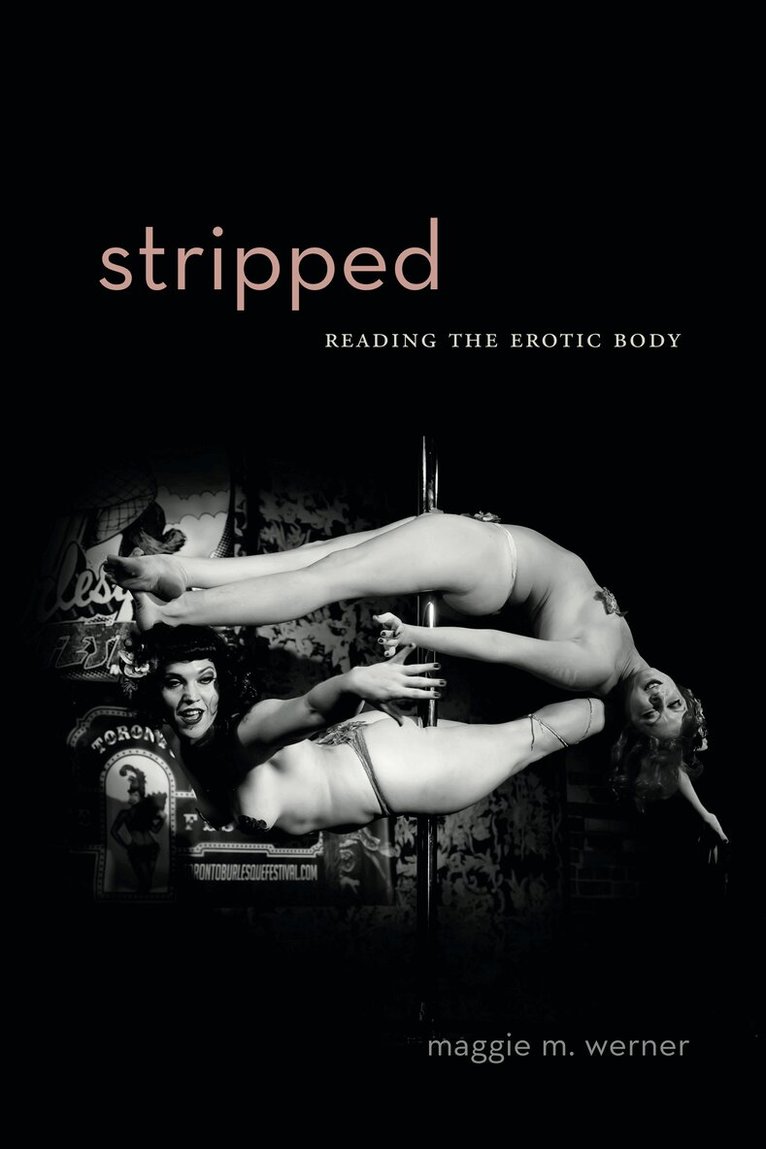
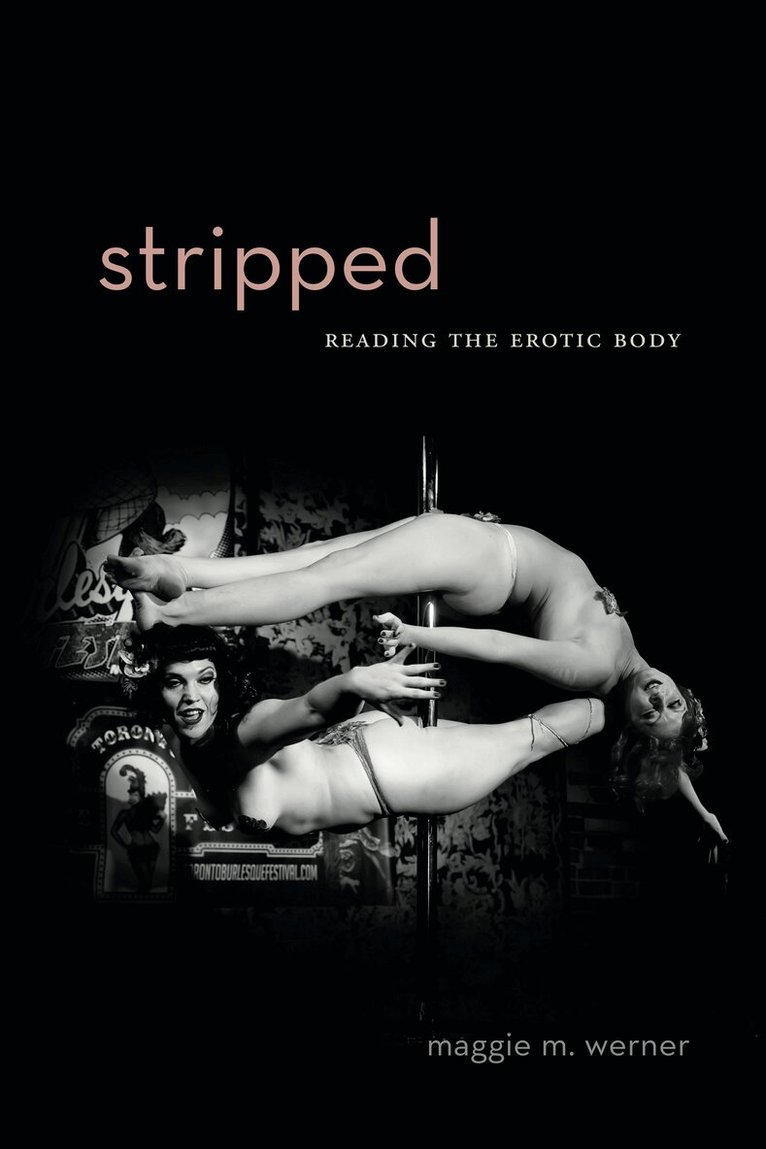
Stripped examines the ways in which erotic bodies communicate in performance and as cultural figures. Focusing on symbols independent of language, Maggie M. Werner explores the signs and signals of erotic dance, audience responses to these codes, and how this exchange creates embodied rhetoric.Informed by her own ethnographic research conducted in strip clubs and theaters, Werner analyzes the movement, dress, and cosmetic choices of topless dancers and neo-burlesque performers. Drawing on critical methods of analysis, she develops approaches for interpreting embodied erotic rhetoric and the marginal cultural practices that construct women’s public erotic bodies. She follows these bodies out into the streets—into the protest spaces where sex workers and anti-rape activists challenge discourses about morality and victimhood and struggle to remake their own identities. Throughout, Werner showcases the voices of these performers and in the analyses shares her experiences as an audience member, interviewer, and paying customer. The result is a uniquely personal and erudite study that advances conversations about women’s agency and erotic performance, moving beyond the binary that views the erotic body as either oppressed or empowered.Theoretically sophisticated and delightfully intimate, Stripped is an important contribution to the study of the rhetoric of the body and to rhetorical and performance studies more broadly.
Del 14 - RSA Series in Transdisciplinary Rhetoric
Stripped
Reading the Erotic Body
Häftad, Engelska, 2020
364 kr
Skickas inom 5-8 vardagar
Stripped examines the ways in which erotic bodies communicate in performance and as cultural figures. Focusing on symbols independent of language, Maggie M. Werner explores the signs and signals of erotic dance, audience responses to these codes, and how this exchange creates embodied rhetoric.Informed by her own ethnographic research conducted in strip clubs and theaters, Werner analyzes the movement, dress, and cosmetic choices of topless dancers and neo-burlesque performers. Drawing on critical methods of analysis, she develops approaches for interpreting embodied erotic rhetoric and the marginal cultural practices that construct women’s public erotic bodies. She follows these bodies out into the streets—into the protest spaces where sex workers and anti-rape activists challenge discourses about morality and victimhood and struggle to remake their own identities. Throughout, Werner showcases the voices of these performers and in the analyses shares her experiences as an audience member, interviewer, and paying customer. The result is a uniquely personal and erudite study that advances conversations about women’s agency and erotic performance, moving beyond the binary that views the erotic body as either oppressed or empowered.Theoretically sophisticated and delightfully intimate, Stripped is an important contribution to the study of the rhetoric of the body and to rhetorical and performance studies more broadly.
658 kr
Kommande
This book explores the portmanteau as a popular language trend. A portmanteau is a lexical blend in which at least one of the two original words is shortened in the process of combination, such as brunch (breakfast + lunch) or motel (motor + hotel). Although portmanteaus have a long history in the English language, they are experiencing a significant proliferation in online communication. The power of the portmanteau lies in its ability to bring concepts together both sonically and n writing. In doing so, portmanteaus carry the associations of their source words through multiple and shifting contexts, making them complex sites of rhetorical inquiry. This book examines the portmanteau form by analyzing a range of contemporary blend words. It theorizes a method of “critical portmanteau decomposition” that illustrates the ways the portmanteau’s form contributes to its functioning by forging conceptual associations between its components. These associations become clear when the blend is “decomposed” into its constituent parts: the source words and the extra linguistic contexts surrounding both the source words and the blend as a whole. This complex blending process reflects and constructs conceptual networks that can be easily masked by the form, which is often viewed as playful and innocuous. This is particularly significant when the portmanteau transmits ideology, as the playful form is at odds with its content. Critical portmanteau decomposition takes into account the pieces of the portmanteau, the cognitive process of blending, the connections forged among elements, and the context of the complete word.