Malcolm J. Rohrbough – författare
Visar alla böcker från författaren Malcolm J. Rohrbough. Handla med fri frakt och snabb leverans.
10 produkter
The Land Office Business
The Settlement and Administration of American Public Lands, 1789-1837
Inbunden, 1968
1299 kr
Lägg i varukorg
Land Office Business
The Settlement and Administration of American Public Lands, 1789-1837
E-bok
699 kr
Lägg i varukorg
The Land Office Business The Settlement and Administration of American Public Lands, 1789-1837
Land Office Business
The Settlement and Administration of American Public Lands, 1789-1837
E-bok, 1968
699 kr
Lägg i varukorg
The Land Office Business: The Settlement and Administration of American Public Lands, 1789-1837
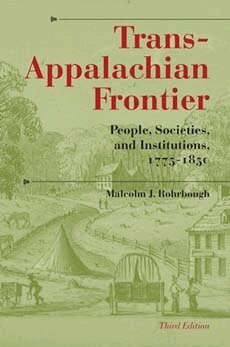
Trans-Appalachian Frontier, Third Edition
People, Societies, and Institutions, 1775-1850
E-bok, 2008
104 kr
Lägg i varukorg
The first American frontier lay just beyond the Appalachian Mountains and along the Gulf Coast. Here, successive groups of pioneers built new societies and developed new institutions to cope with life in the wilderness. In this thorough revision of his classic account, Malcolm J. Rohrbough tells …
Trans-Appalachian Frontier, Third Edition
People, Societies, and Institutions, 1775-1850
Häftad, 2008
353 kr
Lägg i varukorg
The first American frontier lay just beyond the Appalachian Mountains and along the Gulf Coast. Here, successive groups of pioneers built new societies and developed new institutions to cope with life in the wilderness. In this thorough revision of his classic account, Malcolm J. Rohrbough tells …
Rush to Gold
The French and the California Gold Rush, 1848–1854
Inbunden, 2013
1224 kr
Lägg i varukorg
The California Gold Rush began in 1848 and incited many “wagons west.” However, only half of the 300,000 gold seekers traveled by land. The other half traveled by sea. And it’s the story of this second group that interests Malcolm Rohrbough in his authoritative new book, The Rush to Gold. He …
Rush to Gold
The French and the California Gold Rush, 1848–1854
E-bok, 2013
149 kr
Lägg i varukorg
The California Gold Rush began in 1848 and incited many "wagons west." However, only half of the 300,000 gold seekers traveled by land. The other half traveled by sea. And it''s the story of this second group that interests Malcolm Rohrbough in his authoritative new book, The Rush to Gold. He …
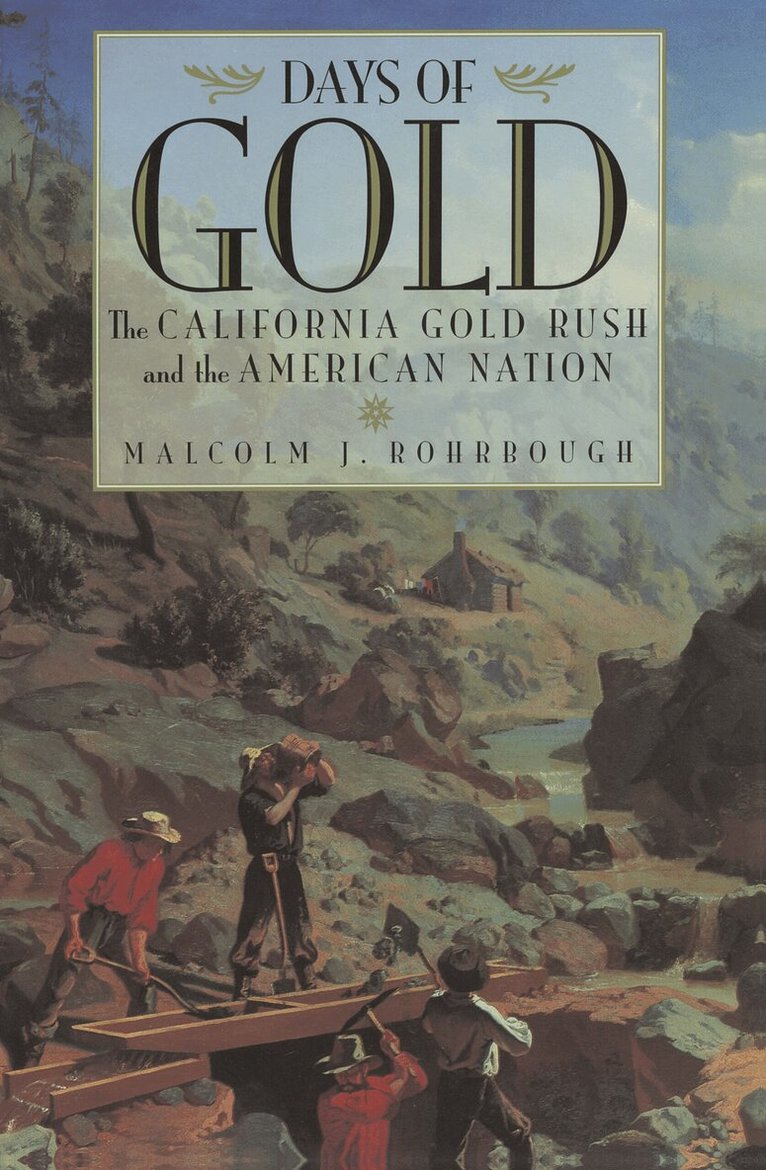
Days of Gold
The California Gold Rush and the American Nation
Häftad, 1998
306 kr
Lägg i varukorg
On the morning of January 24, 1848, James W. Marshall discovered gold in California. The news spread across the continent, launching hundreds of ships and hitching a thousand prairie schooners filled with adventurers in search of heretofore unimagined wealth. Those who joined the procession - soon …
Days of Gold
The California Gold Rush and the American Nation
E-bok, 1997
518 kr
Lägg i varukorg
On the morning of January 24, 1848, James W. Marshall discovered gold in California. The news spread across the continent, launching hundreds of ships and hitching a thousand prairie schooners filled with adventurers in search of heretofore unimagined wealth. Those who joined the procession—soon …
Aspen
The History of a Silver Mining Town, 1879 - 1893
Häftad, 2000
406 kr
Lägg i varukorg
All those who delight in modern Aspen as a ski resort and cultural center, as well as those who enjoy reading about all the old Wild West, will be charmed by this book. In its heyday as a mining town, Aspen rivaled the camps of the California Gold Rush, Virginia City in Nevada's Comstock Lode, and …