Marcel Willems – författare
Visar alla böcker från författaren Marcel Willems. Handla med fri frakt och snabb leverans.
10 produkter
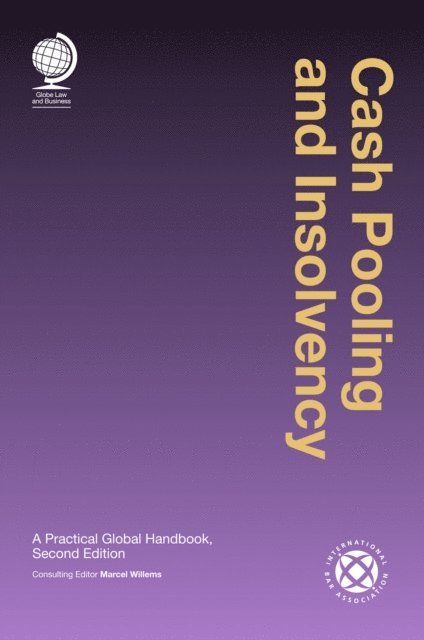
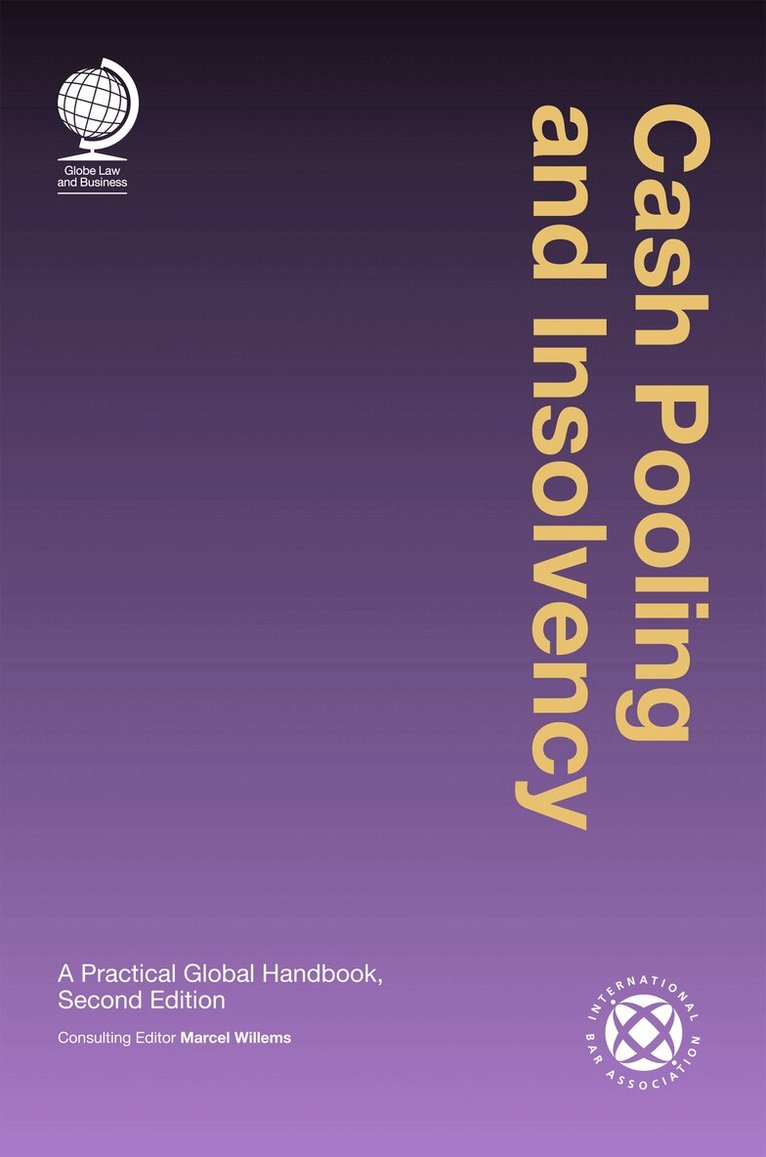
Cash Pooling and Insolvency
A Practical Global Handbook, Second Edition
E-bok, 2016
2741 kr
Lägg i varukorg
''Cash is king’ – and, presumably, will remain king for a long time to come. This viewpoint is even more relevant since the 2008 international financial crisis. Banks are still hesitant to provide credit lines to companies, whether national or cross-border. High interest rates are charged on debt …
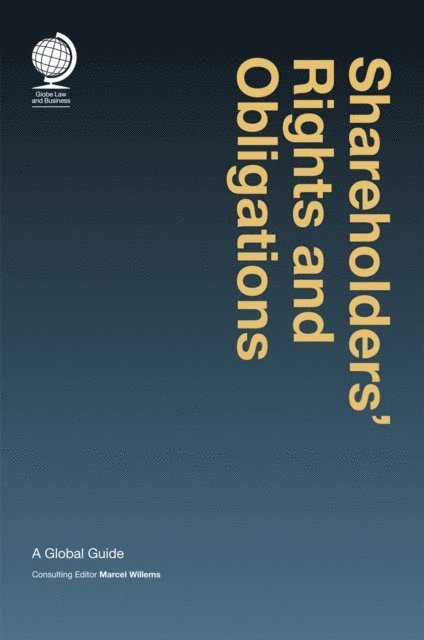
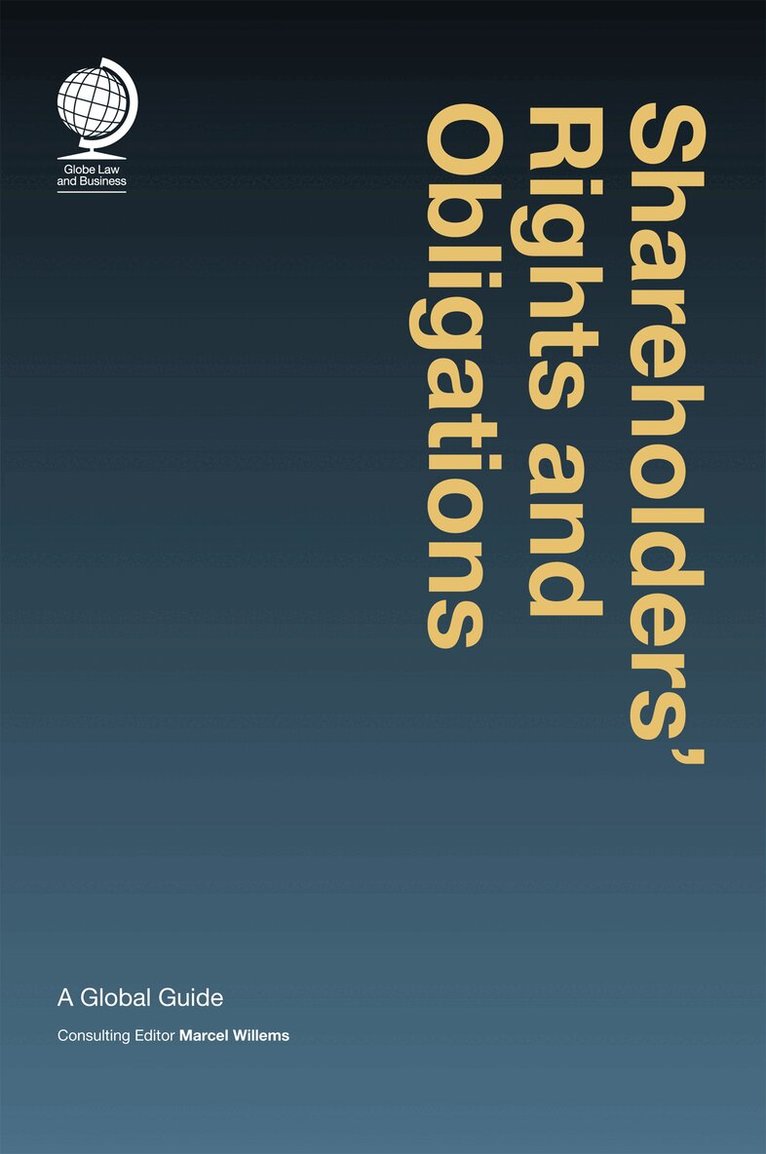
Shareholders' Rights and Obligations
A Global Guide
E-bok, 2017
3865 kr
Lägg i varukorg
Shareholders are important stakeholders of companies. In recent times the position of shareholders has become more and more scrutinized, partly as a result of activist measures they have taken, sometimes resulting in the breaking up of large corporations. At the other hand of the spectrum we see …
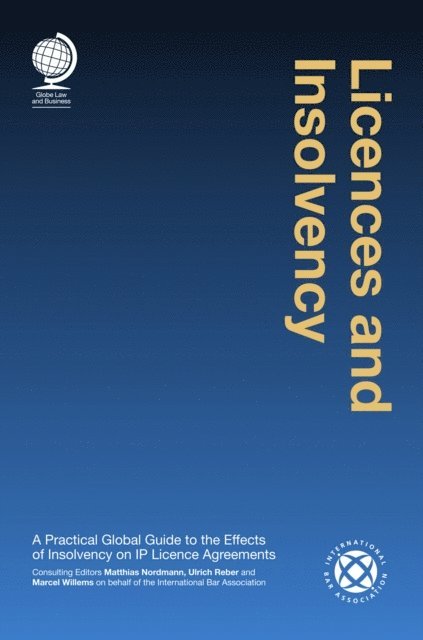
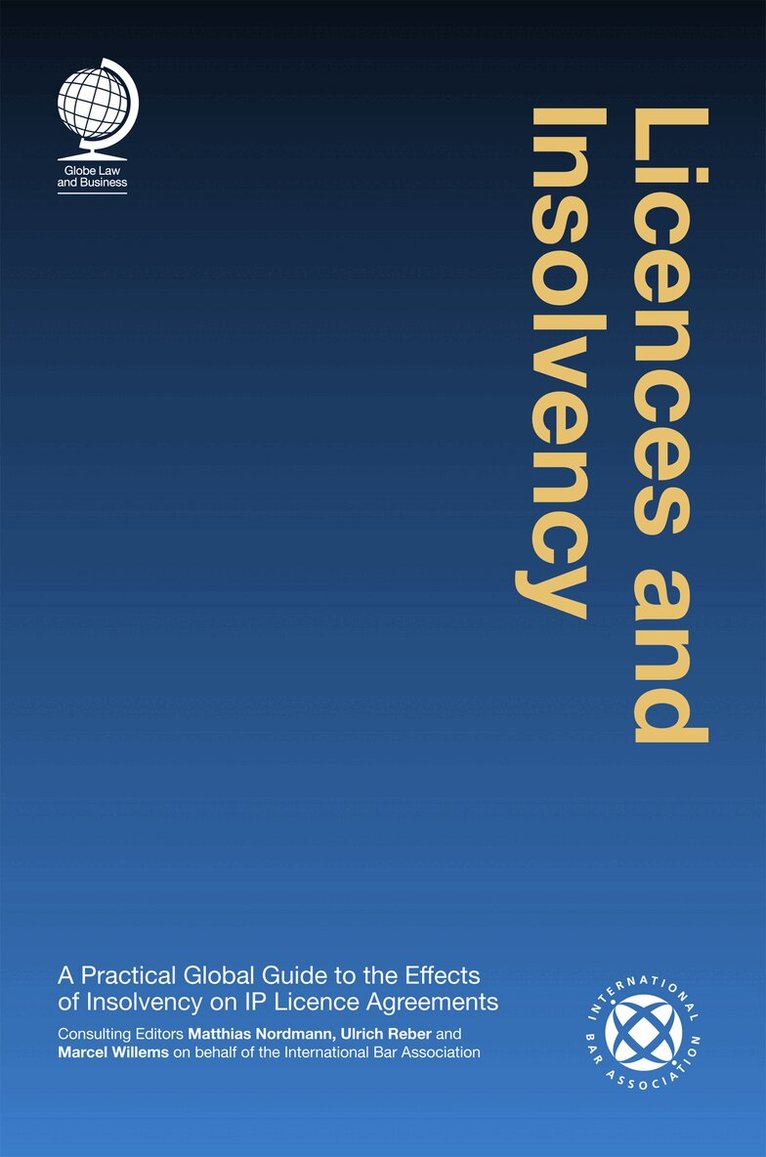
Licences and Insolvency
A Practical Global Guide to the Effects of Insolvency on IP Licence Agreements
Av Marcel Willems, Ulrich Reber m. fl.
E-bok, 2014
1799 kr
Lägg i varukorg
The number of insolvencies is increasing by the day, while insolvencies are becoming more and more complex and international. Licences represent an increasingly important part of a company’s assets - be they technology licences, name or trademark licences or licences with regard to text, photo or …
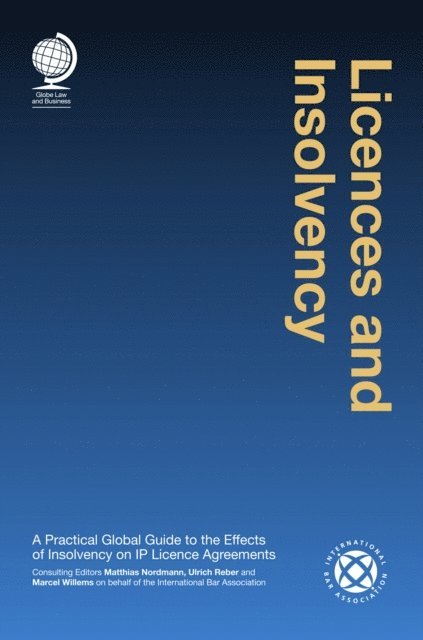
Licences and Insolvency
A Practical Global Guide to the Effects of Insolvency on IP Licence Agreements
Av Marcel Willems, Ulrich Reber m. fl.
E-bok, 2014
1799 kr
Lägg i varukorg
The number of insolvencies is increasing by the day, while insolvencies are becoming more and more complex and international. Licences represent an increasingly important part of a company’s assets - be they technology licences, name or trademark licences or licences with regard to text, photo or …
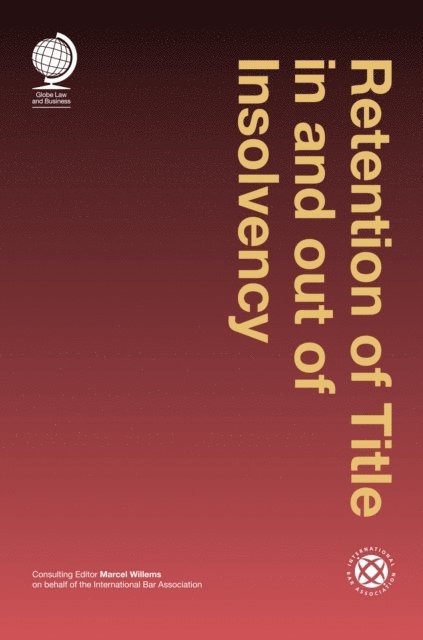
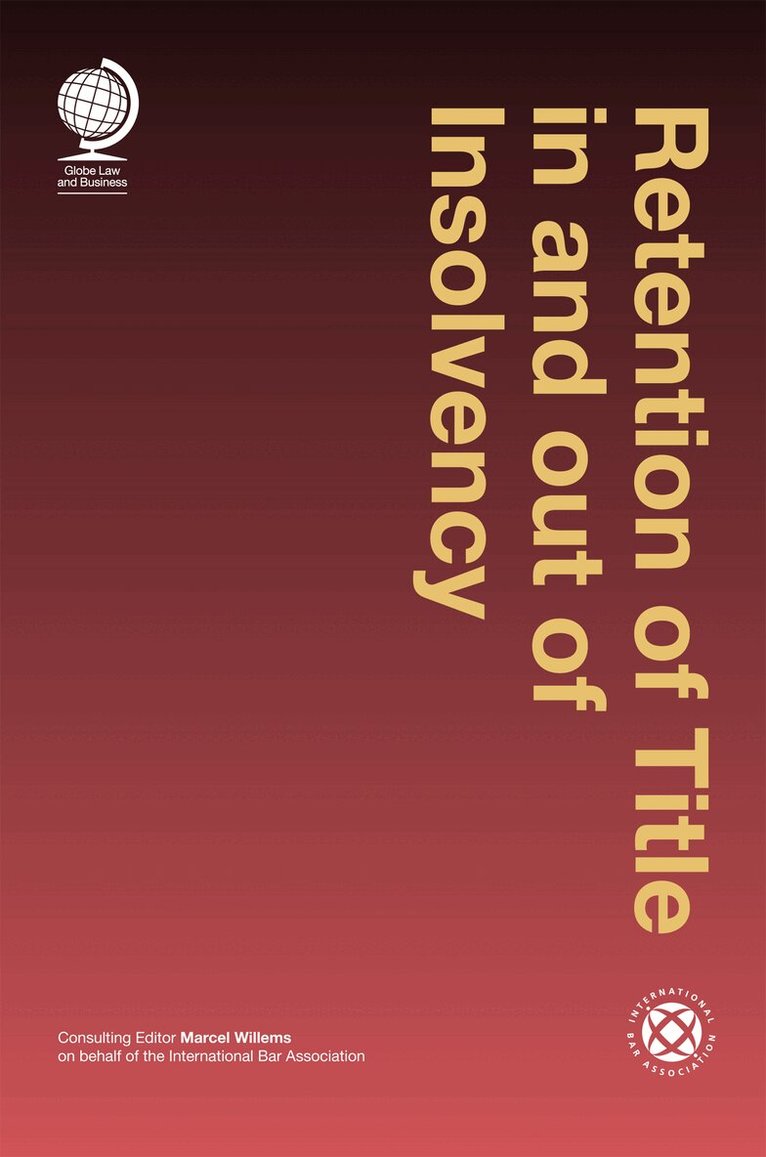
Retention of Title in and out of Insolvency
Av Mark Kendall, Marcel Willems
E-bok, 2015
1617 kr
Lägg i varukorg
Suppliers of goods tend to think that they have strong rights if they retain ownership of delivered goods until the purchase price has been fully paid, because disputes involving non-payment can supposedly be solved fairly easily by claiming payment in court or repossessing the goods. However, …
Licences and Insolvency
A Practical Global Guide to the Effects of Insolvency on IP Licence Agreements
Av Matthias Nordmann, Ulrich Reber m. fl.
Inbunden, 2014
2148 kr
Lägg i varukorg
The number of insolvencies is increasing by the day, while insolvencies are becoming more and more complex and international. Licences represent an increasingly important part of a company’s assets - be they technology licences, name or trademark licences or licences with regard to text, photo or …
Cash Pooling and Insolvency
A Practical Global Handbook, Second Edition
Av Marcel Willems, Marcel Willems
Inbunden, 2016
2937 kr
Lägg i varukorg
'Cash is king’ – and, presumably, will remain king for a long time to come. This viewpoint is even more relevant since the 2008 international financial crisis. Banks are still hesitant to provide credit lines to companies, whether national or cross-border. High interest rates are charged on debt …
Shareholders' Rights and Obligations
A Global Guide
Av Marcel Willems, Marcel Willems
Inbunden, 2017
4136 kr
Lägg i varukorg
Shareholders are important stakeholders of companies. In recent times the position of shareholders has become more and more scrutinized, partly as a result of activist measures they have taken, sometimes resulting in the breaking up of large corporations. At the other hand of the spectrum we see …
Retention of Title in and out of Insolvency
Av Marcel Willems, Marcel Willems m. fl.
Inbunden, 2015
1932 kr
Tillfälligt slut
Suppliers of goods tend to think that they have strong rights if they retain ownership of delivered goods until the purchase price has been fully paid, because disputes involving non-payment can supposedly be solved fairly easily by claiming payment in court or repossessing the goods. However, …