Marco Agnetta – författare
Visar alla böcker från författaren Marco Agnetta. Handla med fri frakt och snabb leverans.
8 produkter
8 produkter
Inbunden, Engelska, 2025
2 800 kr
Skickas inom 10-15 vardagar
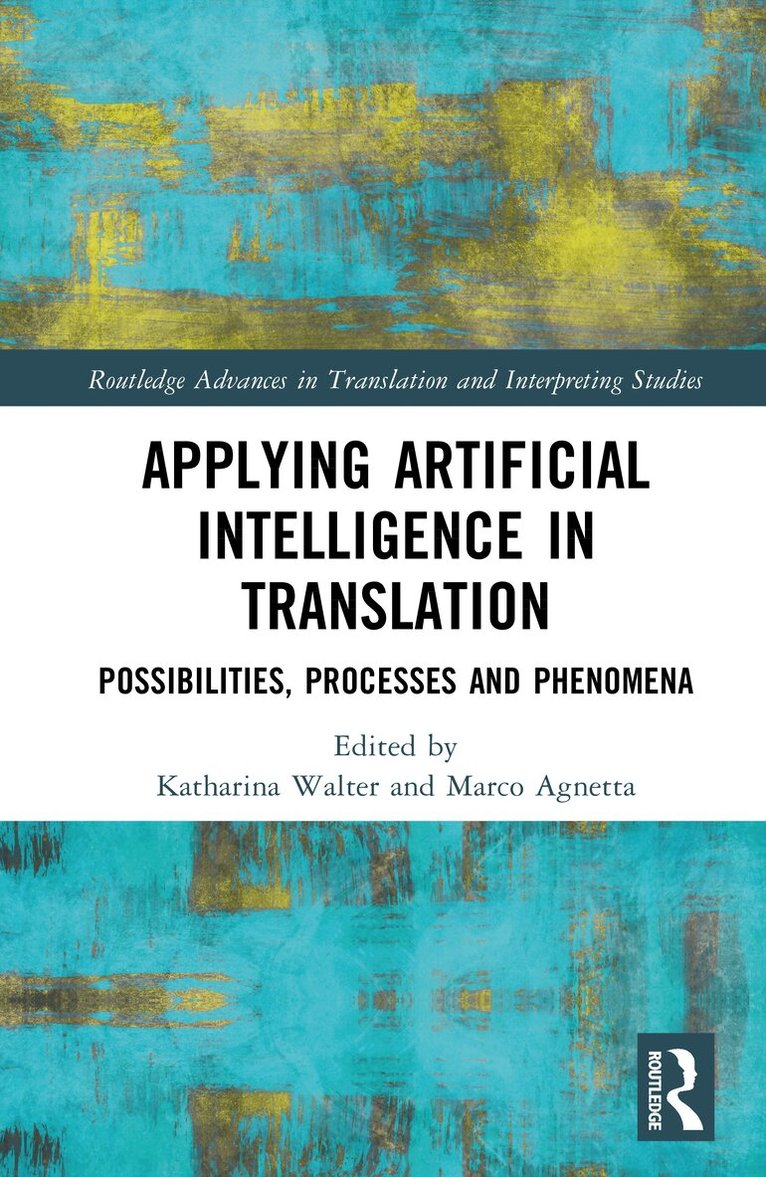
This collection critically examines the opportunities and challenges associated with the use of AI-based tools in translation, which have rapidly transformed the language industry in recent years.This volume is divided into three sections that explore the use of AI-based tools in specific domains or on specific phenomena. While the first section addresses the impact of AI-enhanced translation on both workflows and outputs from the lens of creativity and idiomaticity, the second section examines key questions concerning the use of AI-based translation tools in various domains from technology to tourism. Contributions in the third section analyze AI-induced changes in the areas of media accessibility and journalism, as well as taking a critical look at evolving job perspectives and job profiles within the language industry. Taken together, the chapters in this volume envisage sustainable forms of interaction between humans and machines that put humans at the center of AI-induced technological changes.This book will be of interest to students and scholars in translation studies, particularly those working in translation technology, audiovisual translation, and literary translation, as well as practicing translators.
E-bok
PDF, Engelska, 2025928 kr
Läs direkt efter köp
This collection critically examines the opportunities and challenges associated with the use of AI-based tools in translation, which have rapidly transformed the language industry in recent years.This volume is divided into three sections that explore the use of AI-based tools in specific domains or on specific phenomena. While the first section addresses the impact of AI-enhanced translation on both workflows and outputs from the lens of creativity and idiomaticity, the second section examines key questions concerning the use of AI-based translation tools in various domains from technology to tourism. Contributions in the third section analyze AI-induced changes in the areas of media accessibility and journalism, as well as taking a critical look at evolving job perspectives and job profiles within the language industry. Taken together, the chapters in this volume envisage sustainable forms of interaction between humans and machines that put humans at the center of AI-induced technological changes.This book will be of interest to students and scholars in translation studies, particularly those working in translation technology, audiovisual translation, and literary translation, as well as practicing translators.
E-bok
Engelska, 2025928 kr
Läs direkt efter köp
This collection critically examines the opportunities and challenges associated with the use of AI-based tools in translation, which have rapidly transformed the language industry in recent years.This volume is divided into three sections that explore the use of AI-based tools in specific domains or on specific phenomena. While the first section addresses the impact of AI-enhanced translation on both workflows and outputs from the lens of creativity and idiomaticity, the second section examines key questions concerning the use of AI-based translation tools in various domains from technology to tourism. Contributions in the third section analyze AI-induced changes in the areas of media accessibility and journalism, as well as taking a critical look at evolving job perspectives and job profiles within the language industry. Taken together, the chapters in this volume envisage sustainable forms of interaction between humans and machines that put humans at the center of AI-induced technological changes.This book will be of interest to students and scholars in translation studies, particularly those working in translation technology, audiovisual translation, and literary translation, as well as practicing translators.
Häftad, Tyska, 2024
980 kr
Skickas inom 3-6 vardagar
Del 2 - Rhythmus und Translation
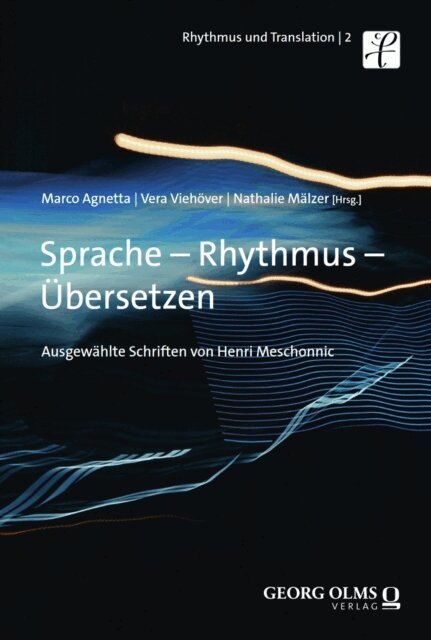
Sprache - Rhythmus - Übersetzen
Häftad, Tyska, 2026
935 kr
Skickas inom 3-6 vardagar
E-bok
PDF, Tyska, 2025852 kr
Läs direkt efter köp
Das umfangreiche Werk des franzosischen Sprachdenkers, Ubersetzers und Dichters Henri Meschonnic (1932-2009) ist im deutschen Sprachraum lange kaum rezipiert worden. Seit einigen Jahren erfahrt seine poetique du rythme jedoch neue Aufmerksamkeit: Meschonnics radikale Kritik an der Einseitigkeit der semiotischen Sprachauffassung, sein engagiertes Eintreten fur die Sprache als Rede sowie seine am Rhythmus der Texte orientierten Lekturen literarischer Werke eroffnen einen neuen Blick auf den Zusammenhang von Poetik, Ubersetzung, Ethik und Politik. Dieser Band fuhrt in Form von kommentierten Ubersetzungen exemplarischer Auszuge aus dem Gesamtwerk in Meschonnics faszinierendes Denken ein. Ein Glossar zu zentralen Begriffen rundet den Band ab. Mit Beitragen von Marco Agnetta | Julia Beck | Beatrice Costa | Nathalie Malzer | Marko Pajevic | Vera Viehover | Katrin Zuschlag
E-bok
Tyska, 2017798 kr
Läs direkt efter köp
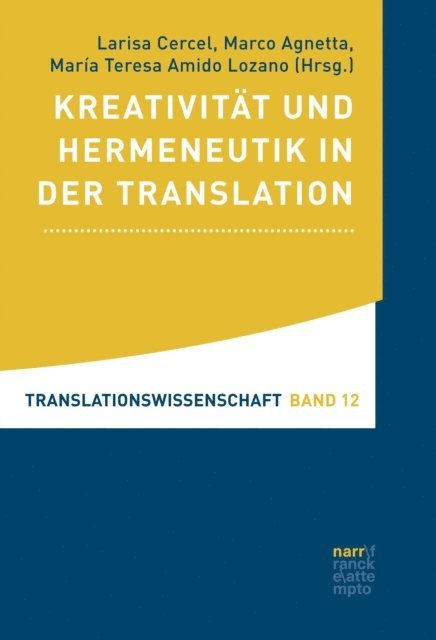
Die Kreativität nimmt gegenwärtig eine zentrale Position in der Translationsprozessforschung ein. Die Erkenntnis, dass Kreativität nicht nur beim Übersetzen literarischer Werke benötigt wird, bildet die Grundlage für die Entwicklung neuer Modelle der translatorischen Kompetenz. Zu dieser grundlagentheoretischen Ebene gehört die Betrachtung der übersetzerischen Kreativität in Verbindung mit den (eminent hermeneutischen) Begriffen des Verstehens und Interpretierens: Die Textvorlage verstehen, sie auslegen, um sie dann angemessen kreativ in der Zielsprache wiedergeben zu können, ist ein translatorisches Grundverhalten. Der Band fokussiert den Nexus Kreativität-Verstehen-Interpretieren im Übersetzen und beleuchtet ihn aus den unterschiedlichen Perspektiven der Rhetorik, Literatur, Hermeneutik, Philosophie, Linguistik und Translatologie.
E-bok
PDF, Tyska, 2017798 kr
Läs direkt efter köp
Die Kreativität nimmt gegenwärtig eine zentrale Position in der Translationsprozessforschung ein. Die Erkenntnis, dass Kreativität nicht nur beim Übersetzen literarischer Werke benötigt wird, bildet die Grundlage für die Entwicklung neuer Modelle der translatorischen Kompetenz. Zu dieser grundlagentheoretischen Ebene gehört die Betrachtung der übersetzerischen Kreativität in Verbindung mit den (eminent hermeneutischen) Begriffen des Verstehens und Interpretierens: Die Textvorlage verstehen, sie auslegen, um sie dann angemessen kreativ in der Zielsprache wiedergeben zu können, ist ein translatorisches Grundverhalten. Der Band fokussiert den Nexus Kreativität-Verstehen-Interpretieren im Übersetzen und beleuchtet ihn aus den unterschiedlichen Perspektiven der Rhetorik, Literatur, Hermeneutik, Philosophie, Linguistik und Translatologie.