Marco Aurelio Golfetto – författare
Visar alla böcker från författaren Marco Aurelio Golfetto. Handla med fri frakt och snabb leverans.
3 produkter
3 produkter
Inbunden, Engelska, 2026
2 163 kr
Kommande
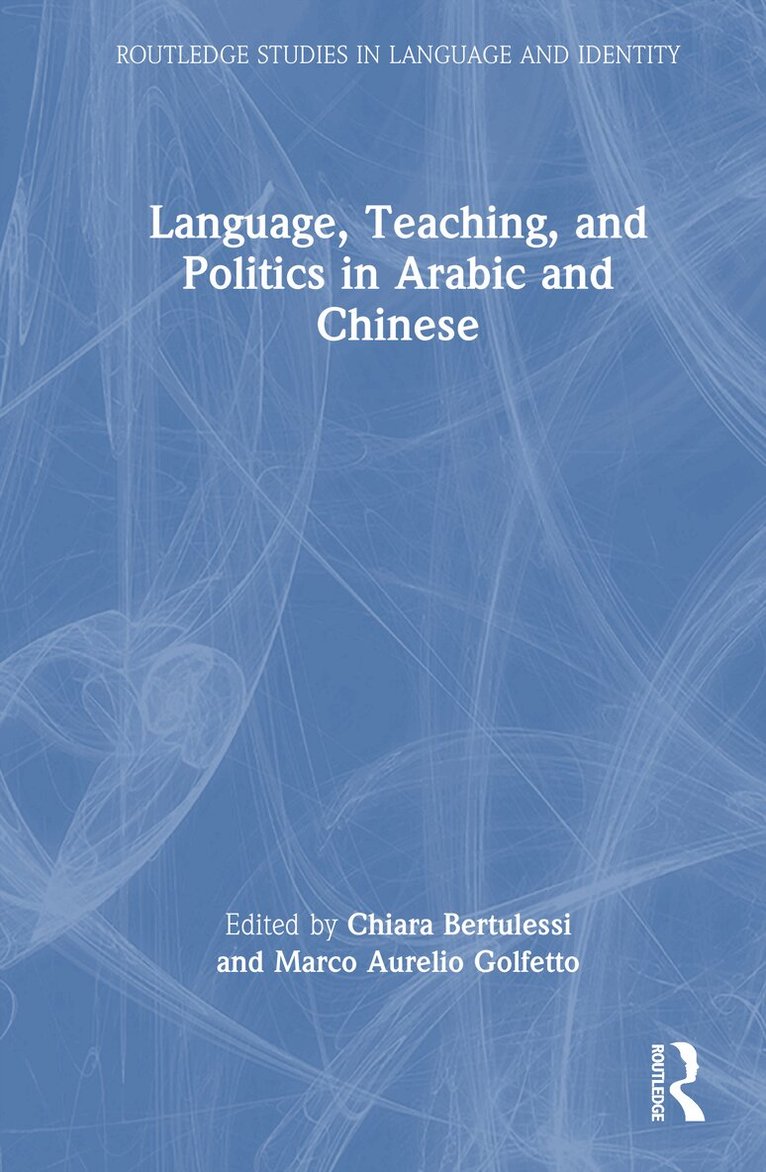
This book investigates political and ideological perspectives on the Arabic and Chinese languages through studies of language teaching, linguistic values, identities, education, political discourse, and translation in diverse contexts.Language, Teaching, and Politics in Arabic and Chinese places these two languages side by side, seeking to highlight potential points of connection across various domains as well as common trends and processes. The book addresses teaching practices, didactic tools, and ideological stances, with attention to standard varieties, local dialects, and minority languages, alongside the political dimensions of education and the functions of political language and its translation, through the lenses of different disciplines and relevant methodologies. The 14 chapters engage with a variety of timely and relevant issues for contemporary society, including language teaching, language variation, language identity, language ideologies, language policies, political discourse, translation, and, more broadly, the role of language in conveying political and ideological views. The studies are rooted in disciplines such as theoretical and applied linguistics, sociolinguistics, language education, and translation studies, and they draw upon a range of approaches and methodologies.This volume will appeal to instructors, scholars, researchers, and students interested in second language pedagogy and linguistics, as well as the interrelations between language, teaching, ideology, and politics within and beyond Arabic and Chinese language studies.
Häftad, Engelska, 2026
535 kr
Kommande
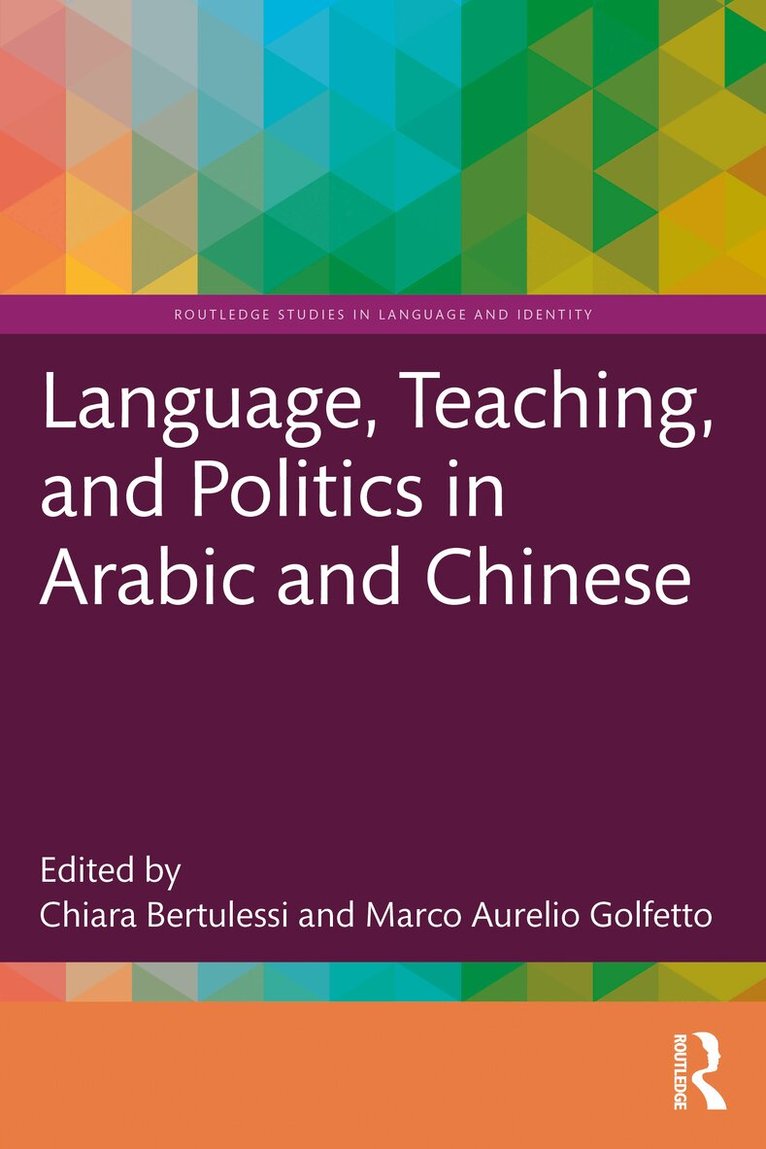
This book investigates political and ideological perspectives on the Arabic and Chinese languages through studies of language teaching, linguistic values, identities, education, political discourse, and translation in diverse contexts.Language, Teaching, and Politics in Arabic and Chinese places these two languages side by side, seeking to highlight potential points of connection across various domains as well as common trends and processes. The book addresses teaching practices, didactic tools, and ideological stances, with attention to standard varieties, local dialects, and minority languages, alongside the political dimensions of education and the functions of political language and its translation, through the lenses of different disciplines and relevant methodologies. The 14 chapters engage with a variety of timely and relevant issues for contemporary society, including language teaching, language variation, language identity, language ideologies, language policies, political discourse, translation, and, more broadly, the role of language in conveying political and ideological views. The studies are rooted in disciplines such as theoretical and applied linguistics, sociolinguistics, language education, and translation studies, and they draw upon a range of approaches and methodologies.This volume will appeal to instructors, scholars, researchers, and students interested in second language pedagogy and linguistics, as well as the interrelations between language, teaching, ideology, and politics within and beyond Arabic and Chinese language studies.
E-bok
PDF, Engelska, 20242 204 kr
Läs direkt efter köp
Although the exemplar of the Fusus al-hikam has mysteriously disappeared shortly after its composition, the earliest copy in al-Qunawi's hand has survived. Having been collated with the orginal, read in front of Ibn al-?Arabi, and signed by him, it stands as the vetustissimus and optimus. This edition is established on its reading and is checked against ?Afifi's classic. Besides a fully vocalized text, it provides an appended facsimile of the manuscript. The introductory section is the first comprehensive study that tracks the whole story of the manuscript and attempts to identify possible scattered traces of the lost original. It reviews attitudes towards the text, as well as a century of scholarly research on it, and illustrates key concepts of the Master's doctrine to help contextualize the book contents.