Marcus Andrew Hurttig - Böcker
Visar alla böcker från författaren Marcus Andrew Hurttig. Handla med fri frakt och snabb leverans.
4 produkter
4 produkter
179 kr
Skickas inom 7-10 vardagar
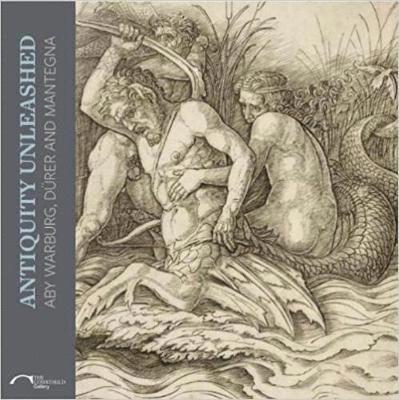
The Hamburg banker’s son Aby Warburg (1866–1929) was one of the most influential art historians and cultural theorists of the 20th century. His life’s work was devoted to tracing antique formulas of representation in the depiction of human passions in Renaissance art. For this epoch-spanning relationship, he developed the term ‘pathos formula’ (Pathosformel). In a lecture given in 1905 in the Konzerthaus in Hamburg, focusing on the young Albrecht Du¨rer’s Death of Orpheus, Warburg outlined his thoughts in front of the original drawing, which he had borrowed from the rich holdings of the Kunsthalle in order to better illustrate his idea. This drawing, pivotal in the young artist’s development as an ambitious response to classical antiquity, was displayed during the lecture alongside a group of engravings and woodcuts which included not only some of Du¨rer’s own seminal later prints, such as Melencolia I, but also engravings by Andrea Mantegna which Du¨rer copied in 1494, the same year he drew the Death of Orpheus. Warburg’s ‘pop-up exhibition’ of eleven works has here been reconstructed and analyzed, using his fascinating lecture notes, sketches and slide lists. First developed by the Hamburger Kunsthalle in 2011, subsequently on view in Cologne in the Wallraf-Richartz Museum and now at The Courtauld Gallery, each institution has interpreted the material slightly differently, while retaining the core Warburg group. Aby Warburg aimed at unlocking the meaning of an art work by excavating its roots in its cultural context. By restaging his legendary display of 1905 with Du¨rer’s Death of Orpheus at its heart, the exhibition and accompanying book present some of the most skillful and ambitious works on paper ever produced and also seek to introduce into Warburg’s rich intellectual universe to a broader public, hoping thereby to offer both sheer enjoyment and food for thought.
402 kr
Skickas inom 7-10 vardagar
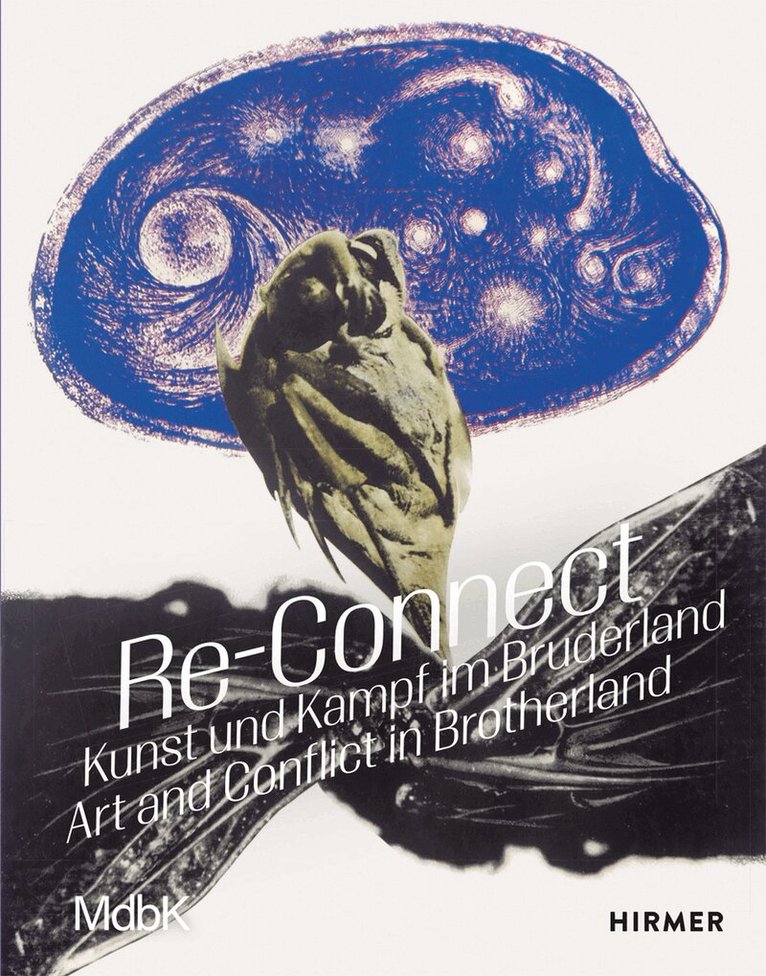
Transnational artistic creation has become a matter of course in our globalized world. But what did migrant art production look like in the GDR? The volume highlights, among other things, the cultural diplomacy of the GDR and its effects, employment relationships of contract workers and taboo racism.Foreign artists from the socialist brother countries such as Egypt, Ethiopia, Israel or Uruguay studied at the art academies of the GDR. What became of them and why they are not mentioned in retrospectives on GDR art? Their works are now the center of attention. At the same time, the history of immigration and the memory of reunification are told from the perspective of East German migrants.
401 kr
Kommande
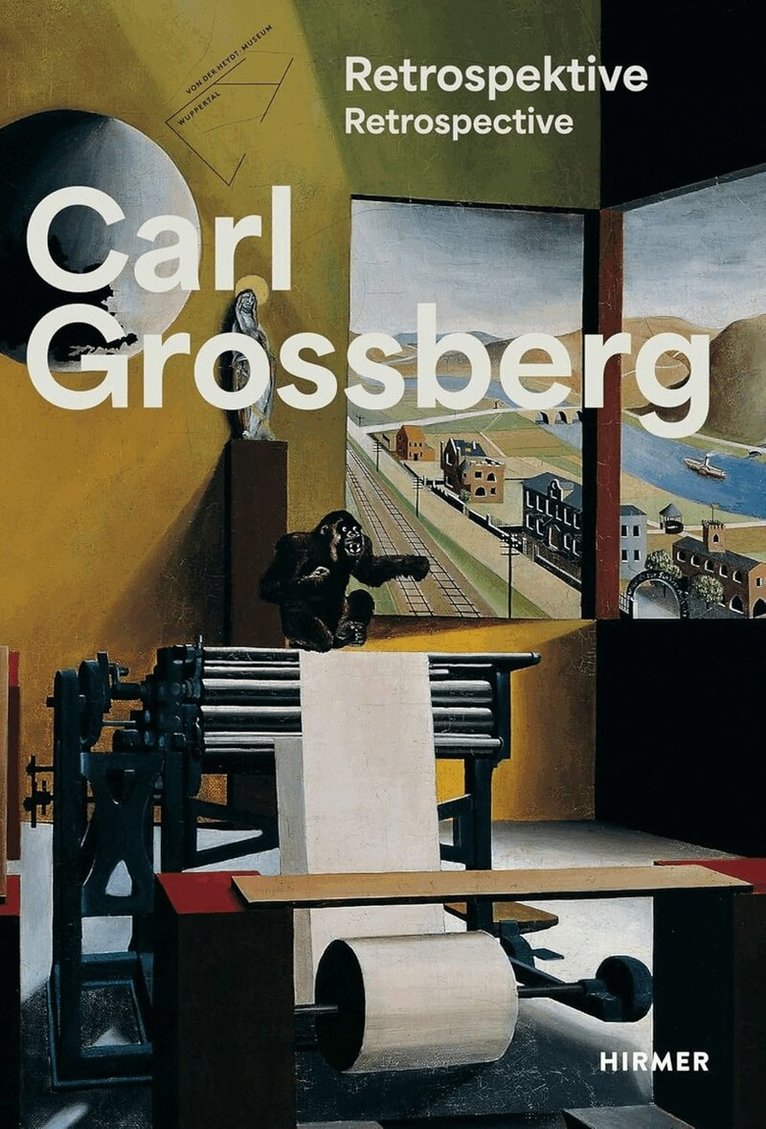
This comprehensive publication dedicated to Carl Grossberg (1894–1940) accompanies a retrospective exhibition of his work at two German museums. His industrial structures, vats and machines are testimony to the rapid technological progress at the beginning of the twentieth century. Portrayed on a monumental scale, they are produced with sober precision, clear forms and luminous colours – and almost always without people. The eerie emptiness is both modern and impressive.The monograph examines Carl Grossberg’s inimitable visual language and its relevance to the present day and addresses the contemporary resonance of his vision of globalisation and the structural changes caused by industry. Grossberg’s compositions, frequently reduced in an extreme way, elicit questions about progress and its effect on humanity. With his industrial landscapes and unique dream images, he evokes the magic of things in order to perceive other realities behind them. This unforgettable book is one that will stay with you.
263 kr
Skickas inom 3-6 vardagar