Marek Kowalkiewicz – författare
Visar alla böcker från författaren Marek Kowalkiewicz. Handla med fri frakt och snabb leverans.
4 produkter
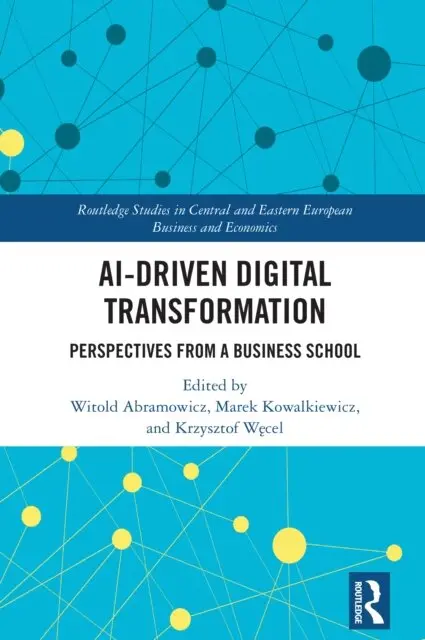
AI-Driven Digital Transformation
Perspectives from a Business School
Av Krzysztof Wecel, Marek Kowalkiewicz m. fl.
E-bok, 2025
829 kr
Lägg i varukorg
This edited volume explores AI-driven digital transformation from the perspective of a well-established higher education institution. Featuring 23 chapters organized into six thematic areas - Decision Support, Data Processing, Marketing and Product Development, Supply Chains, Finance, and …
AI-Driven Digital Transformation
Perspectives from a Business School
Av Krzysztof Wecel, Marek Kowalkiewicz m. fl.
E-bok, 2025
856 kr
Lägg i varukorg
This edited volume explores AI-driven digital transformation from the perspective of a well-established higher education institution. Featuring 23 chapters organized into six thematic areas - Decision Support, Data Processing, Marketing and Product Development, Supply Chains, Finance, and …
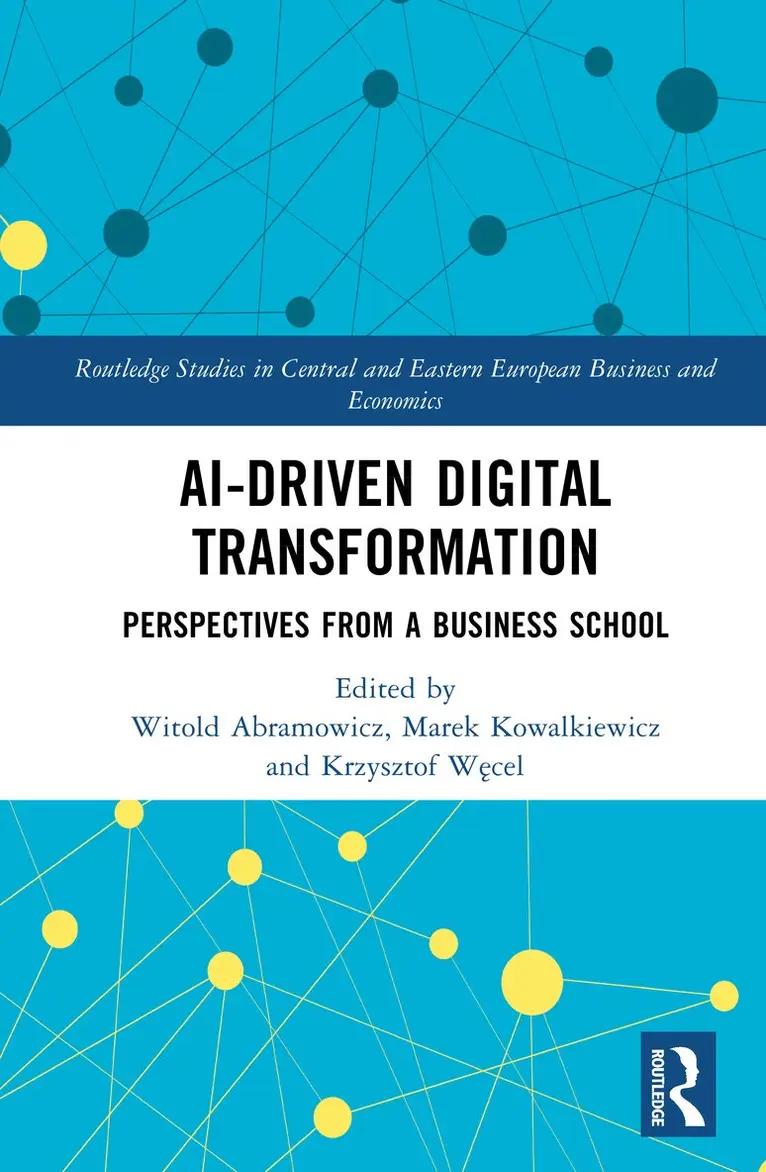
AI-Driven Digital Transformation
Perspectives from a Business School
Av Witold Abramowicz, Marek Kowalkiewicz m. fl.
Inbunden, 2025
2581 kr
Lägg i varukorg
This edited volume explores AI-driven digital transformation from the perspective of a well-established higher education institution. Featuring 23 chapters organized into six thematic areas – Decision Support, Data Processing, Marketing and Product Development, Supply Chains, Finance, and …
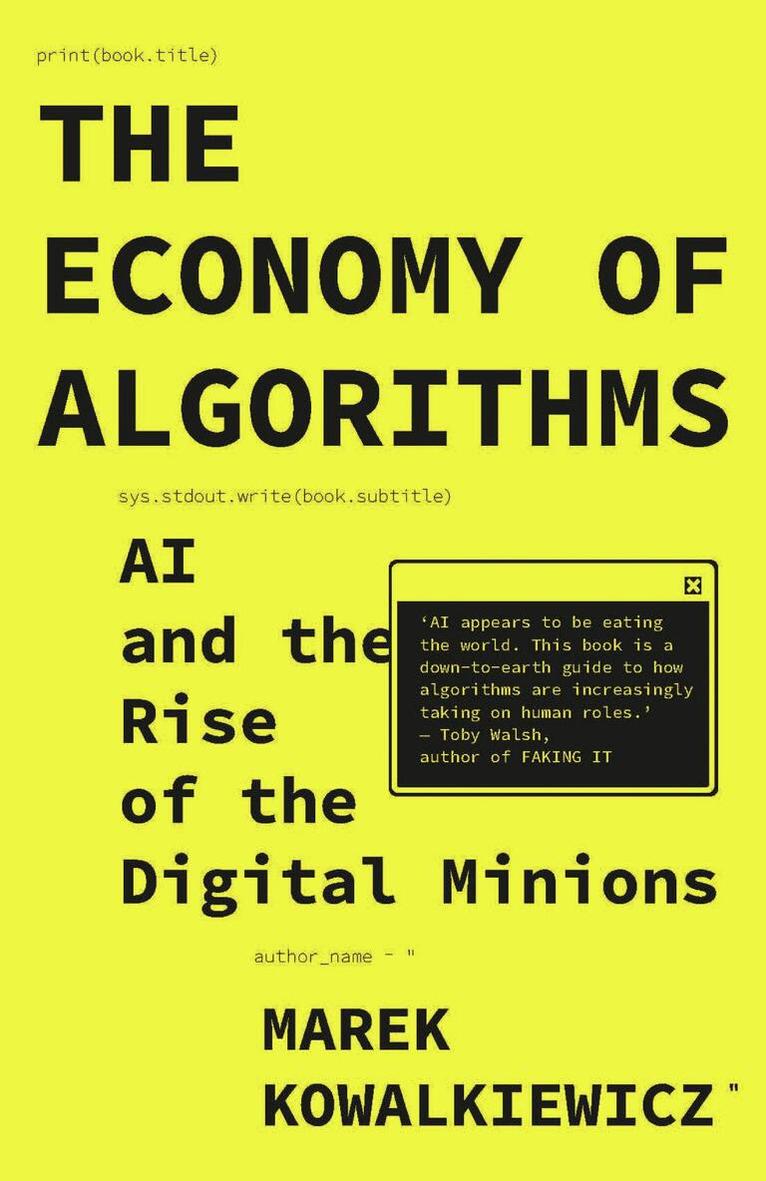
Economy of Algorithms
AI and the Rise of the Digital Minions
Häftad, 2024
194 kr
Lägg i varukorg
Welcome to the economy of algorithms. It’s here and it’s growing. In the past few years, we have been flooded with examples of impressive technology. Algorithms have been around for hundreds of years, but they have only recently begun to ‘escape’ our understanding. When algorithms perform certain …