Margaret A. Weitekamp – författare
Visar alla böcker från författaren Margaret A. Weitekamp. Handla med fri frakt och snabb leverans.
3 produkter
3 produkter
Häftad, Engelska, 2006
359 kr
Skickas inom 5-8 vardagar
On June 17, 1963, Soviet cosmonaut Valentina Tereshkova became the first woman in space. Curiously, unlike every previous milestone in the "space race," this event did not spur NASA to catch up by flying an American woman. Though there were suitable candidates-two years earlier, thirteen female pilots recruited by the private Woman in Space program had passed a strenuous physical exam and were ready for another stage of astronaut testing-American women would not escape earth's gravity for another twenty years. In Right Stuff, Wrong Sex, Margaret Weitekamp shows how the Woman in Space program-conceived by Dr. William Randolph Lovelace and funded by world-famous pilot and businesswoman Jacqueline Cochran-challenged prevailing attitudes about women's roles and capabilities. In examining the experiences of the Fellow Lady Astronaut Trainees (as the candidates called themselves), this book documents the achievements and frustrated hopes of a remarkable group of women whose desire to serve their country fell victim to hostility toward such aspirations.Drawing from archival research and interviews with participants, Weitekamp traces the rise and fall of the Woman in Space program within the context of the cold war and the thriving women's aviation culture of the 1950s. Weitekamp's study sheds light on a little-known but compelling chapter in the history of the U.S. space program and the rise of the women's movement in America.
E-bok
Engelska, 2022347 kr
Läs direkt efter köp
E-bok
Engelska, 2013552 kr
Läs direkt efter köp
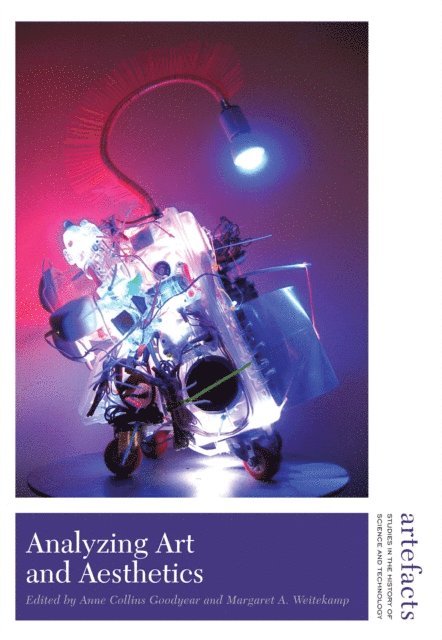
This ninth volume of the Artefacts series explores how artists have responded to developments in science and technology, past and present. Rather than limiting the discussion to art alone, editors Anne Collins Goodyear and Margaret Weitekamp also asked contributors to consider aesthetics: the scholarly consideration of sensory responses to cultural objects. When considered as aesthetic objects, how do scientific instruments or technological innovations reflect and embody culturally grounded assessments about appearance, feel, and use? And when these objects become museum artifacts, what aesthetic factors affect their exhibition? Contributors found answers in the material objects themselves. This volume reconsiders how science, technology, art, and aesthetics impact one another.