Margaret D. Jacobs - Böcker
Visar alla böcker från författaren Margaret D. Jacobs. Handla med fri frakt och snabb leverans.
6 produkter
6 produkter
After One Hundred Winters
In Search of Reconciliation on America's Stolen Lands
Inbunden, Engelska, 2021
251 kr
Skickas inom 7-10 vardagar
A necessary reckoning with America’s troubled history of injustice to Indigenous peopleAfter One Hundred Winters confronts the harsh truth that the United States was founded on the violent dispossession of Indigenous people and asks what reconciliation might mean in light of this haunted history. In this timely and urgent book, settler historian Margaret Jacobs tells the stories of the individuals and communities who are working together to heal historical wounds—and reveals how much we have to gain by learning from our history instead of denying it.Jacobs traces the brutal legacy of systemic racial injustice to Indigenous people that has endured since the nation’s founding. Explaining how early attempts at reconciliation succeeded only in robbing tribal nations of their land and forcing their children into abusive boarding schools, she shows that true reconciliation must emerge through Indigenous leadership and sustained relationships between Indigenous and non-Indigenous people that are rooted in specific places and histories. In the absence of an official apology and a federal Truth and Reconciliation Commission, ordinary people are creating a movement for transformative reconciliation that puts Indigenous land rights, sovereignty, and values at the forefront. With historical sensitivity and an eye to the future, Jacobs urges us to face our past and learn from it, and once we have done so, to redress past abuses.Drawing on dozens of interviews, After One Hundred Winters reveals how Indigenous people and settlers in America today, despite their troubled history, are finding unexpected gifts in reconciliation.
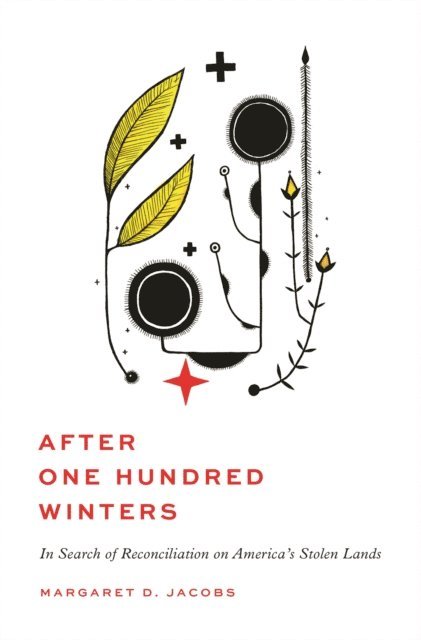
After One Hundred Winters
In Search of Reconciliation on America's Stolen Lands
Häftad, Engelska, 2023
170 kr
Skickas inom 7-10 vardagar
A necessary reckoning with America’s troubled history of injustice to Indigenous peopleAfter One Hundred Winters confronts the harsh truth that the United States was founded on the violent dispossession of Indigenous people and asks what reconciliation might mean in light of this haunted history. In this timely and urgent book, settler historian Margaret Jacobs tells the stories of the individuals and communities who are working together to heal historical wounds—and reveals how much we have to gain by learning from our history instead of denying it.Jacobs traces the brutal legacy of systemic racial injustice to Indigenous people that has endured since the nation’s founding. Explaining how early attempts at reconciliation succeeded only in robbing tribal nations of their land and forcing their children into abusive boarding schools, she shows that true reconciliation must emerge through Indigenous leadership and sustained relationships between Indigenous and non-Indigenous people that are rooted in specific places and histories. In the absence of an official apology and a federal Truth and Reconciliation Commission, ordinary people are creating a movement for transformative reconciliation that puts Indigenous land rights, sovereignty, and values at the forefront. With historical sensitivity and an eye to the future, Jacobs urges us to face our past and learn from it, and once we have done so, to redress past abuses.Drawing on dozens of interviews, After One Hundred Winters reveals how Indigenous people and settlers in America today, despite their troubled history, are finding unexpected gifts in reconciliation.
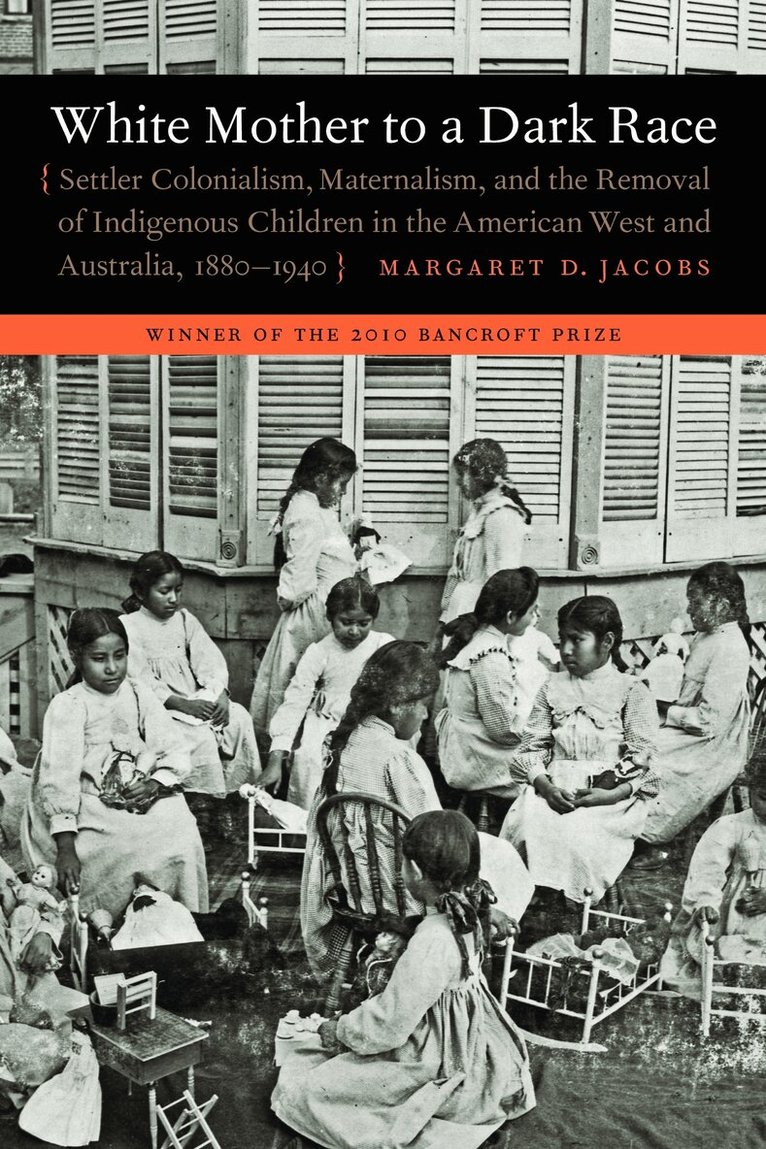
White Mother to a Dark Race
Settler Colonialism, Maternalism, and the Removal of Indigenous Children in the American West and Australia, 1880-1940
Häftad, Engelska, 2011
422 kr
Skickas inom 10-15 vardagar
In the late nineteenth and early twentieth centuries, American Indians in the United States and Aboriginal people in Australia suffered a common experience at the hands of state authorities: the removal of their children to institutions in the name of assimilation. Although officially characterized as benevolent, these policies often inflicted great trauma on indigenous families and ultimately served the settler nations’ larger goals of consolidating control over indigenous peoples and their lands.White Mother to a Dark Race examines the key roles white women played in these removal policies. Government officials, missionaries, and reformers justified the removal of indigenous children in particularly gendered ways by focusing on the supposed deficiencies of indigenous mothers, the alleged barbarity of indigenous men, and the lack of a patriarchal nuclear family in indigenous societies. Often they deemed white women the most appropriate agents to carry out child-removal policies. Inspired by the maternalist movements of the era, many white women were eager to serve as surrogate mothers to indigenous children and maneuvered to influence public policy affecting indigenous people. Although some white women developed caring relationships with indigenous children and others became critical of government policies, many became ensnared in this insidious colonial policy.
Generation Removed
The Fostering and Adoption of Indigenous Children in the Postwar World
Inbunden, Engelska, 2014
503 kr
Skickas inom 10-15 vardagar
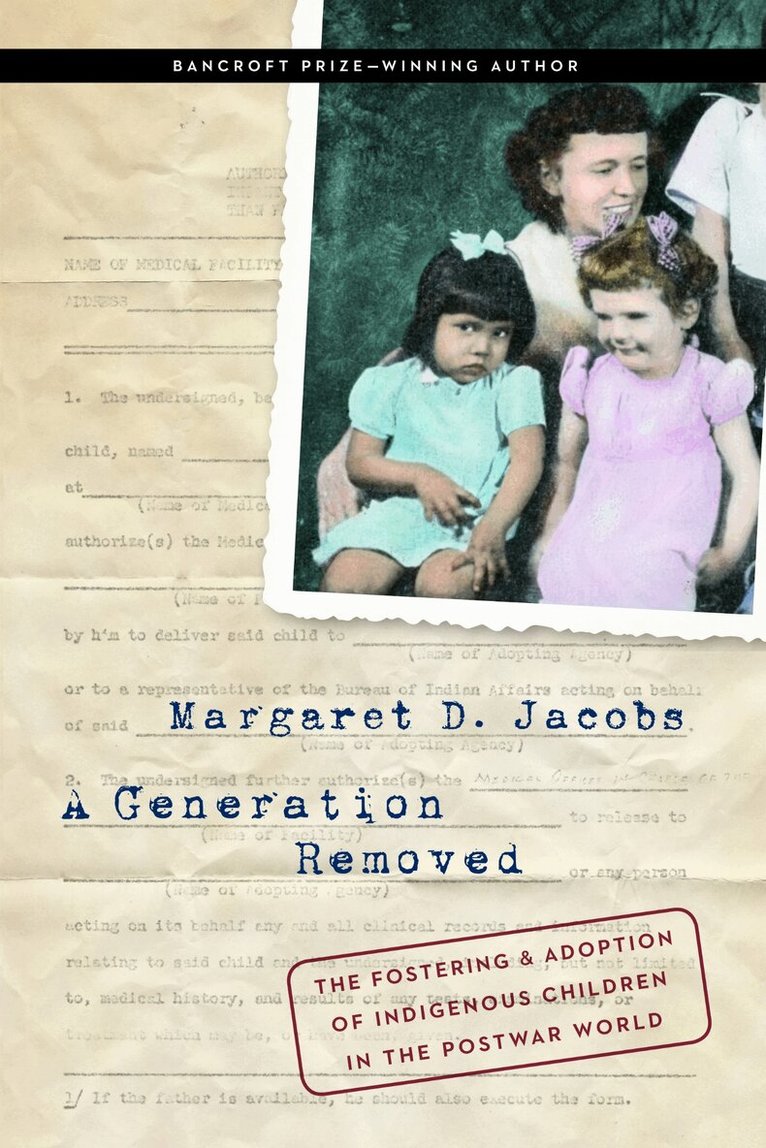
On June 25, 2013, the U.S. Supreme Court heard the case Adoptive Couple vs. Baby Girl, which pitted adoptive parents Matt and Melanie Capobianco against baby Veronica's biological father, Dusten Brown, a citizen of the Cherokee Nation of Oklahoma. Veronica's biological mother had relinquished her for adoption to the Capobiancos without Brown's consent. Although Brown regained custody of his daughter using the Indian Child Welfare Act (ICWA) of 1978, the Supreme Court ruled in favor of the Capobiancos, rejecting the purpose of the ICWA and ignoring the long history of removing Indigenous children from their families. In A Generation Removed, a powerful blend of history and family stories, award-winning historian Margaret D. Jacobs examines how government authorities in the post–World War II era removed thousands of American Indian children from their families and placed them in non-Indian foster or adoptive families. By the late 1960s an estimated 25 to 35 percent of Indian children had been separated from their families. Jacobs also reveals the global dimensions of the phenomenon: These practices undermined Indigenous families and their communities in Canada and Australia as well. Jacobs recounts both the trauma and resilience of Indigenous families as they struggled to reclaim the care of their children, leading to the ICWA in the United States and to national investigations, landmark apologies, and redress in Australia and Canada.
288 kr
Skickas inom 10-15 vardagar
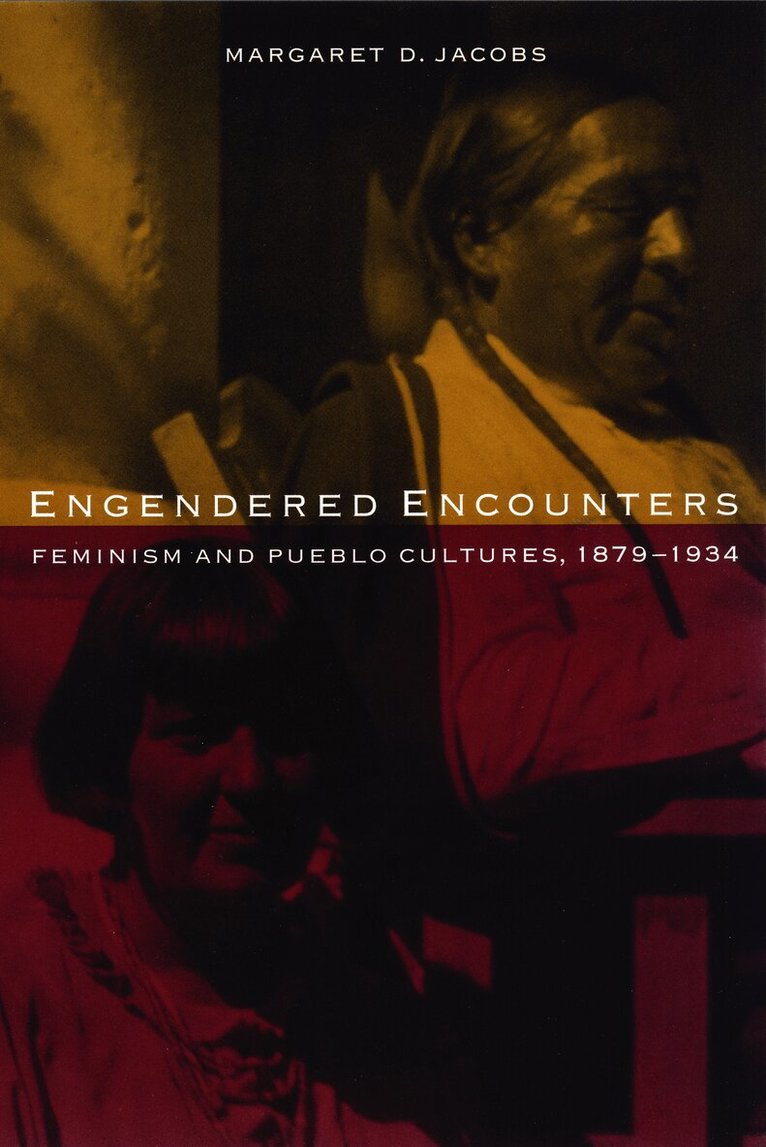
In this interdisciplinary study of gender, cross-cultural encounters, and federal Indian policy, Margaret D. Jacobs explores the changing relationship between Anglo-American women and Pueblo Indians before and after the turn of the century. During the late nineteenth century, the Pueblos were often characterized by women reformers as barbaric and needing to be "uplifted" into civilization. By the 1920s, however, the Pueblos were widely admired by activist Anglo-American women, who challenged assimilation policies and worked hard to protect the Pueblos' "traditional" way of life. Deftly weaving together an analysis of changes in gender roles, attitudes toward sexuality, public conceptions of Native peoples, and federal Indian policy, Jacobs argues that the impetus for this transformation in perception rests less with a progressively tolerant view of Native peoples and more with fundamental shifts in the ways Anglo-American women saw their own sexuality and social responsibilities.
Generation Removed
The Fostering and Adoption of Indigenous Children in the Postwar World
Häftad, Engelska, 2023
379 kr
Skickas inom 10-15 vardagar
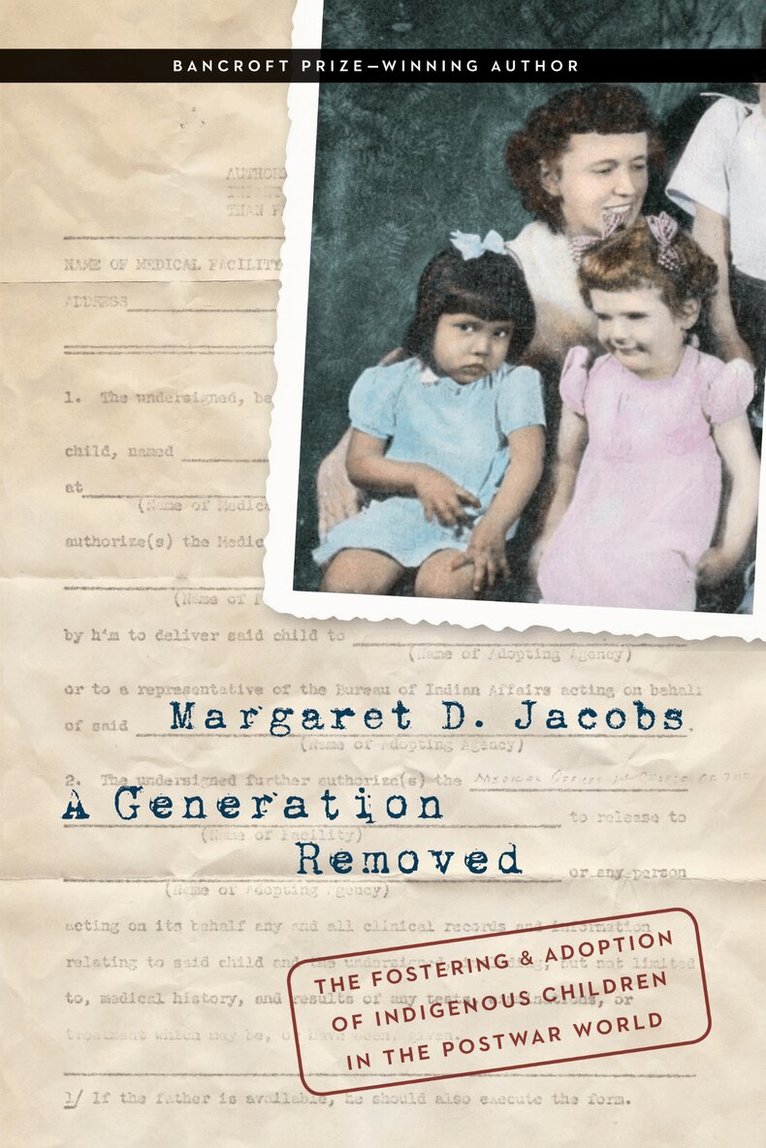
On June 25, 2013, the U.S. Supreme Court heard the case Adoptive Couple vs. Baby Girl, which pitted adoptive parents Matt and Melanie Capobianco against baby Veronica's biological father, Dusten Brown, a citizen of the Cherokee Nation of Oklahoma. Veronica's biological mother had relinquished her for adoption to the Capobiancos without Brown's consent. Although Brown regained custody of his daughter using the Indian Child Welfare Act (ICWA) of 1978, the Supreme Court ruled in favor of the Capobiancos, rejecting the purpose of the ICWA and ignoring the long history of removing Indigenous children from their families. In A Generation Removed, a powerful blend of history and family stories, award-winning historian Margaret D. Jacobs examines how government authorities in the post–World War II era removed thousands of American Indian children from their families and placed them in non-Indian foster or adoptive families. By the late 1960s an estimated 25 to 35 percent of Indian children had been separated from their families. Jacobs also reveals the global dimensions of the phenomenon: These practices undermined Indigenous families and their communities in Canada and Australia as well. Jacobs recounts both the trauma and resilience of Indigenous families as they struggled to reclaim the care of their children, leading to the ICWA in the United States and to national investigations, landmark apologies, and redress in Australia and Canada.