Margaret E. Beare – författare
Visar alla böcker från författaren Margaret E. Beare. Handla med fri frakt och snabb leverans.
12 produkter
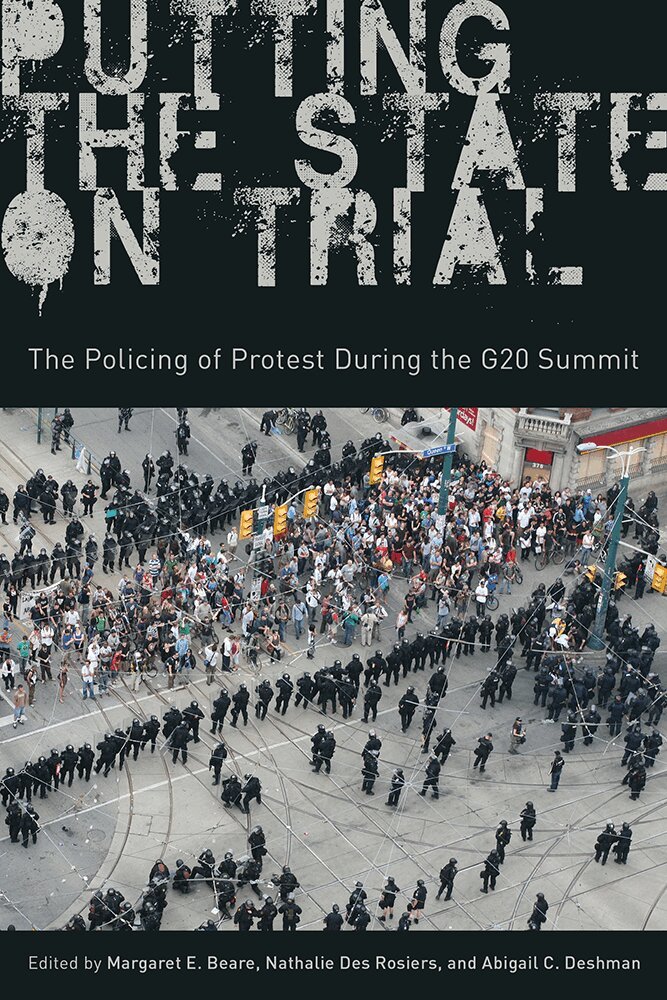
Putting the State on Trial
The Policing of Protest During the G20 Summit
Av Margaret E. Beare, Nathalie Des Rosiers m. fl.
Häftad, 2015
354 kr
Lägg i varukorg
Canada is often lauded as a model democracy that values the constitutional rights of its citizens. So when over a thousand people – most of whom were peaceful protesters or hapless bystanders – were violently arrested and then detained without charge during the G20 Summit in Toronto in 2010, many …
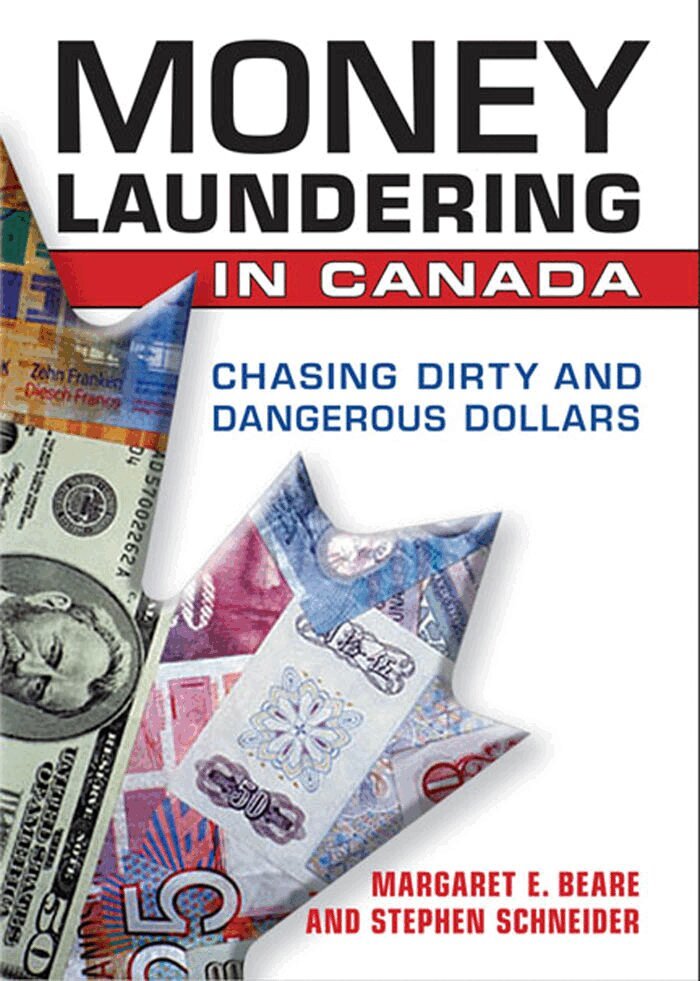
Money Laundering in Canada
Chasing Dirty and Dangerous Dollars
Inbunden, 2007
895 kr
Lägg i varukorg
Money laundering is the process of converting or transferring cash or other assets, generated from illegal activity, in order to conceal or disguise their origins. In recent years, the international community has decided that focusing on money laundering is an efficient strategy in policing …
Money Laundering in Canada
Chasing Dirty and Dangerous Dollars
Häftad, 2007
444 kr
Lägg i varukorg
Money laundering is the process of converting or transferring cash or other assets, generated from illegal activity, in order to conceal or disguise their origins. In recent years, the international community has decided that focusing on money laundering is an efficient strategy in policing …
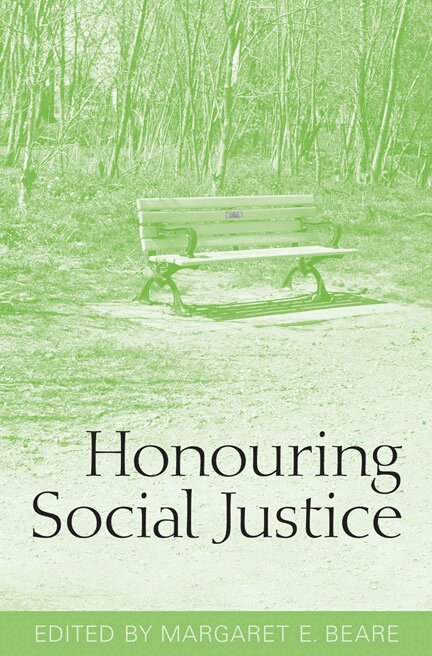
Honouring Social Justice
Häftad, 2008
511 kr
Lägg i varukorg
Honouring Social Justice brings together a diverse group of leading legal scholars, criminologists, and sociologists to study numerous contemporary social justice issues. In doing so, the contributors to this collection present a thorough and multifaceted portrait of recent successes and challenges …
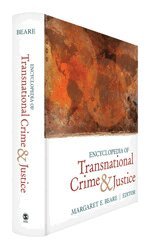
Encyclopedia of Transnational Crime and Justice
Av Margaret E. Beare, Margaret E. Beare
Inbunden, 2012
2288 kr
Lägg i varukorg
Transnational crimes involve border crossings as an integral part of the criminal activity. They also include crimes that take place in one country with consequences that significantly affect other countries. Examples include human trafficking, smuggling (arms, drugs, currency), sex slavery, …
Critical Reflections on Transnational Organized Crime, Money Laundering, and Corruption
E-bok, 2003
1215 kr
Lägg i varukorg
Transnational crime, organized crime, money laundering and corruption are four concepts that have gained and continue to gain an international and domestic profile. Is the information given to the public concerning these concepts distorted by the vested interests of some politicians, media, police, …
Money Laundering in Canada
Chasing Dirty and Dangerous Dollars
E-bok, 2007
585 kr
Lägg i varukorg
Money laundering is the process of converting or transferring cash or other assets, generated from illegal activity, in order to conceal or disguise their origins. In recent years, the international community has decided that focusing on money laundering is an efficient strategy in policing …
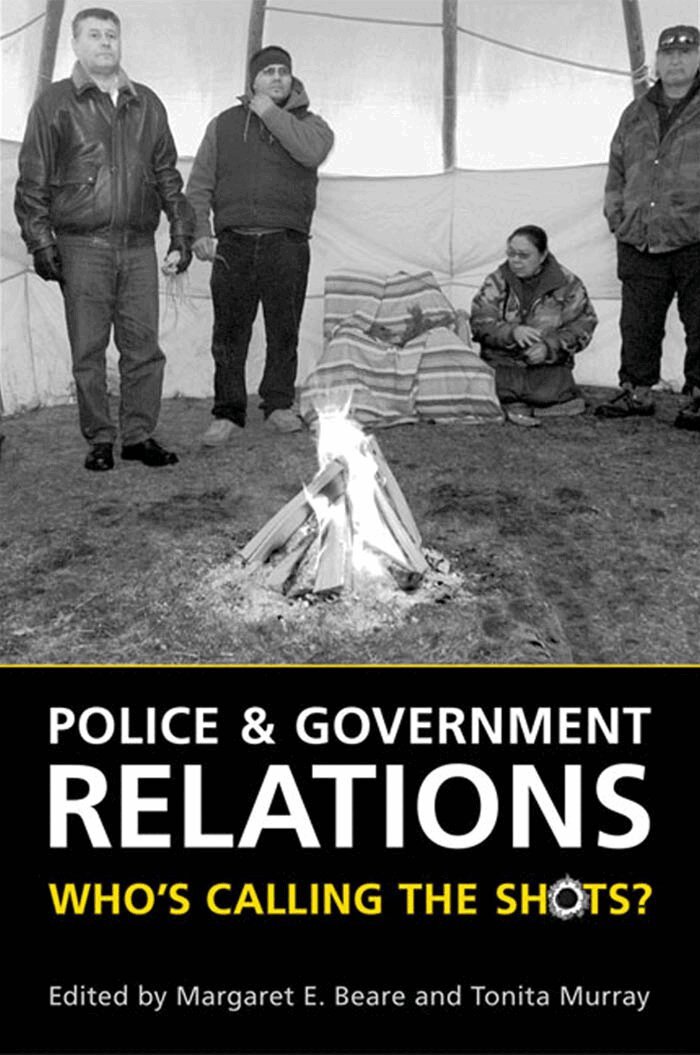
Police and Government Relations
Who's Calling the Shots?
Av Margaret E. Beare, Tonita Murray
E-bok, 2007
587 kr
Lägg i varukorg
Questions of police governance, accountability and independence have been subjected to thorough research before. That the issue still draws critical attention more than twenty years after the McDonald Commission of Inquiry into Certain Activities of the Royal Canadian Mounted Police suggests that …
Honouring Social Justice
E-bok, 2008
615 kr
Lägg i varukorg
Honouring Social Justice brings together a diverse group of leading legal scholars, criminologists, and sociologists to study numerous contemporary social justice issues. In doing so, the contributors to this collection present a thorough and multifaceted portrait of recent successes and challenges …
Money Laundering in Canada
Chasing Dirty and Dangerous Dollars
E-bok, 2007
585 kr
Lägg i varukorg
Money laundering is the process of converting or transferring cash or other assets, generated from illegal activity, in order to conceal or disguise their origins. In recent years, the international community has decided that focusing on money laundering is an efficient strategy in policing …
Police and Government Relations
Who's Calling the Shots?
Av Margaret E. Beare, Tonita Murray
E-bok, 2007
647 kr
Lägg i varukorg
Questions of police governance, accountability and independence have been subjected to thorough research before. That the issue still draws critical attention more than twenty years after the McDonald Commission of Inquiry into Certain Activities of the Royal Canadian Mounted Police suggests that …
Honouring Social Justice
E-bok, 2008
615 kr
Lägg i varukorg
Honouring Social Justice brings together a diverse group of leading legal scholars, criminologists, and sociologists to study numerous contemporary social justice issues. In doing so, the contributors to this collection present a thorough and multifaceted portrait of recent successes and challenges …