Margaret E. Kosal – författare
1 515 kr
Skickas inom 10-15 vardagar
1 515 kr
Skickas inom 10-15 vardagar
1 891 kr
Läs direkt efter köp
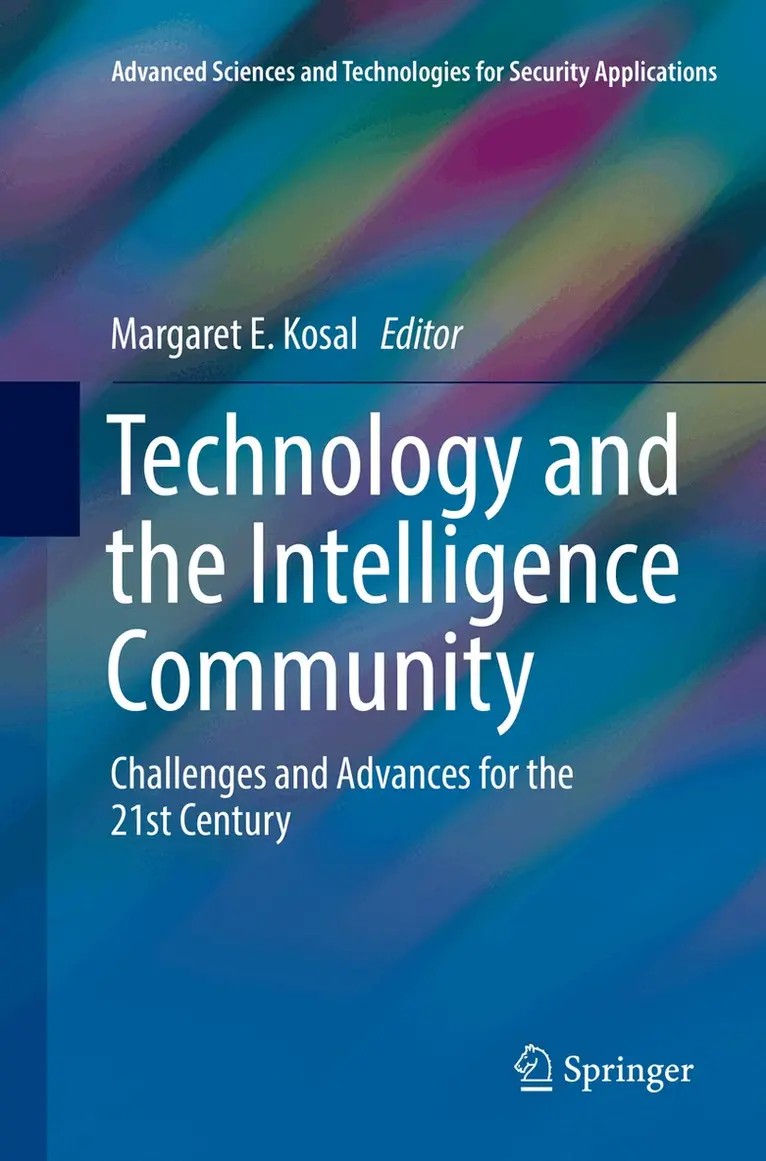
This book explores and analyzes emerging innovations within today’s most cutting-edge science and technology (S&T) areas, which are cited as carrying the potential to revolutionize governmental structures, economies, and international security. Some have argued that such technologies will yield doomsday scenarios and that military applications of such technologies have even greater potential than nuclear weapons to radically change the balance of power. As the United States looks to the future – whether dominated by extremist groups co-opting advanced weapons in the world of globalized non-state actors or states engaged in persistent regional conflicts in areas of strategic interest – new adversaries and new science and technology will emerge. Choices made today that affect science and technology will impact how ably the US can and will respond. Chapters within the book look at the changing strategic environment in which security operations are planned and conducted; how these impact science and technology policy choices made today; and predictions of how science and technology may play a beneficial or deleterious role in the future. Some game changing technologies have received global attention, while others may be less well known; the new technologies discussed within this proposal, as well as future discoveries, may significantly alter military capabilities and may generate new threats against military and civilian sectors.
1 515 kr
Skickas inom 10-15 vardagar
1 623 kr
Skickas inom 10-15 vardagar
2 049 kr
Läs direkt efter köp
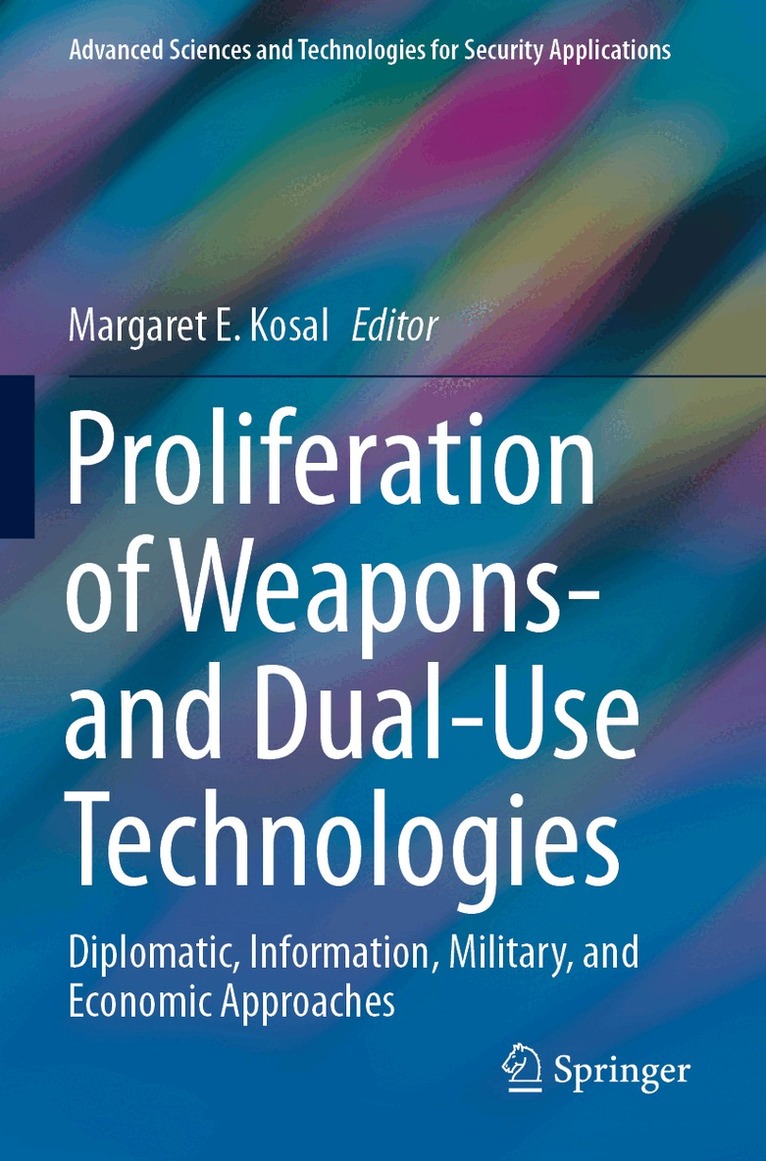
This book explores and analyzes the rapid pace of technological evolution in diplomatic, information, military, and economic sectors, which has contributed to a dynamic international policy environment. Global political stability is greatly influenced by innovations originating from numerous sources, including university labs, the technology sector, and military research. Collectively, these innovations guide the movement of people, ideas, and technology that in turn affect the international balance of power. The objective of this volume is to develop new insights into how the proliferation of innovative ideas, low-cost weapons, and dual-use technologies impact the changing global security landscape. Innovative and dual-use technologies can be used for beneficial purposes or defensive purposes. Alternatively they may be appropriated or employed for nefarious purposes by hostile military powers and non-state actors alike. Such actions can threaten global security and stability. As the complexity of technological innovations continues to increase, existing control mechanisms such as international regulations and security arrangements may be insufficient to stem the tide of proliferation over time. As such, this works seeks to assess and present policy solutions to curtail the threat to global stability posed by the proliferation of weapons and dual-use technology.
1 623 kr
Skickas inom 10-15 vardagar
1 515 kr
Skickas inom 10-15 vardagar
1 740 kr
Läs direkt efter köp
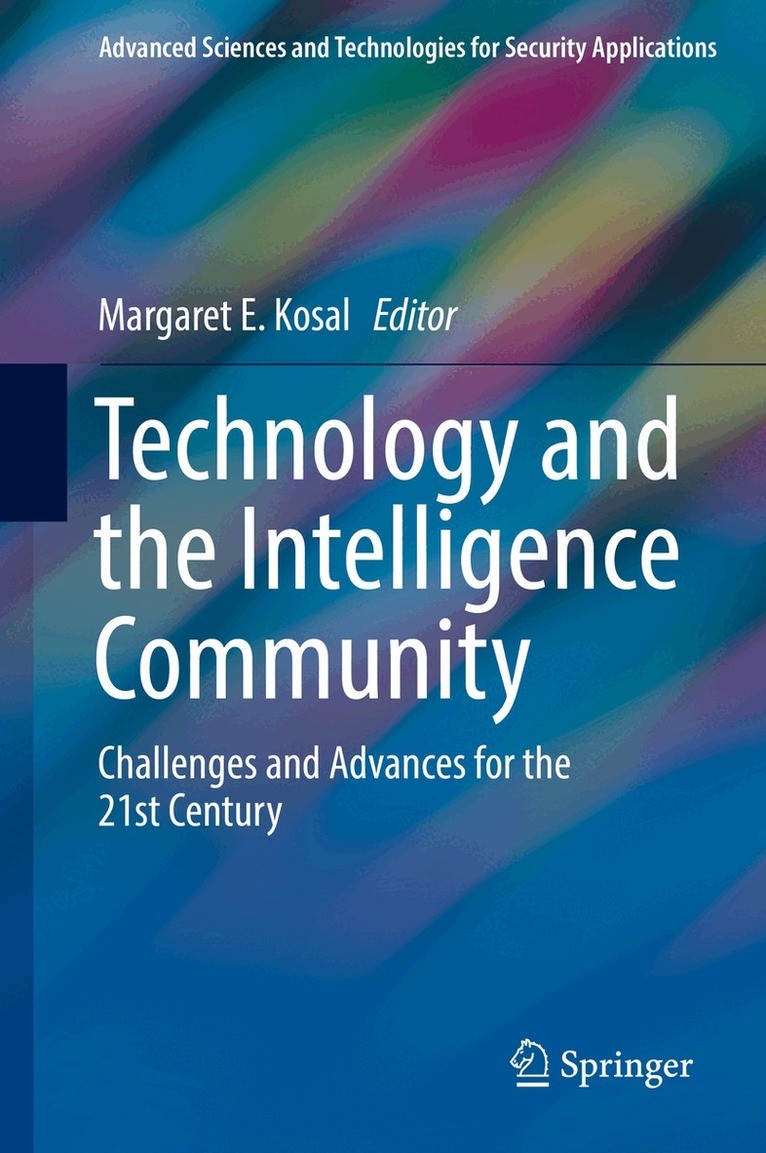
This volume examines the role of technology in gathering, assimilating and utilizing intelligence information through the ages. Pushing the boundaries of existing works, the articles contained here take a broad view of the use and implementation of technology and intelligence procedures during the cold war era and the space race, the September 2011 attacks, and more recent cyber operations. It looks at the development of different technologies, procedural implications thereof, and the underlying legal and ethical implications. The findings are then used to explore the future trends in technology including cyber operations, big data, open source intelligence, smart cities, and augmented reality. Starting from the core aspects of technical capabilities the articles dig deeper, exploring the hard and soft infrastructure of intelligence gathering procedures and focusing on the human and bureaucratic procedures involved therein.
Technology and innovation have played an important role in determining the course of development of the intelligence community. Intelligence gathering for national security, however, is not limited only to the thread of technical capabilities but is a complex fabric of organizational structures, systemic undercurrents, and the role of personnel in key positions of decision making.
The book’s findings and conclusions encompass not just temporal variation but also cut across a diverse set of issue areas. This compilation is uniquely placed in the interdisciplinary space combining the lessons from key cases in the past to current developments and implementation of technology options.