Margaret K. Powell – författare
Visar alla böcker från författaren Margaret K. Powell. Handla med fri frakt och snabb leverans.
3 produkter
3 produkter
E-bok
PDF, Engelska, 2020421 kr
Läs direkt efter köp
Hair, or lack of it, is one the most significant identifiers of individuals in any society. In Antiquity, the power of hair to send a series of social messages was no different. This volume covers nearly a thousand years of history, from Archaic Greece to the end of the Roman Empire, concentrating on what is now Europe, North Africa, and the Near East. Among the key issues identified by its authors is the recognition that in any given society male and female hair tend to be opposites (when male hair is generally short, women''s is long); that hair is a marker of age and stage of life (children and young people have longer, less confined hairstyles; adult hair is far more controlled); hair can be used to identify the ''other'' in terms of race and ethnicity but also those who stand outside social norms such as witches and mad women.The chapters in A Cultural History of Hair in Antiquity cover the following topics: religion and ritualized belief, self and society, fashion and adornment, production and practice, health and hygiene, gender and sexuality, race and ethnicity, class and social status, and cultural representations.
E-bok
Engelska, 2020421 kr
Läs direkt efter köp
Hair, or lack of it, is one the most significant identifiers of individuals in any society. In Antiquity, the power of hair to send a series of social messages was no different. This volume covers nearly a thousand years of history, from Archaic Greece to the end of the Roman Empire, concentrating on what is now Europe, North Africa, and the Near East. Among the key issues identified by its authors is the recognition that in any given society male and female hair tend to be opposites (when male hair is generally short, women''s is long); that hair is a marker of age and stage of life (children and young people have longer, less confined hairstyles; adult hair is far more controlled); hair can be used to identify the ''other'' in terms of race and ethnicity but also those who stand outside social norms such as witches and mad women.The chapters in A Cultural History of Hair in Antiquity cover the following topics: religion and ritualized belief, self and society, fashion and adornment, production and practice, health and hygiene, gender and sexuality, race and ethnicity, class and social status, and cultural representations.
Häftad, Engelska, 2022
405 kr
Skickas inom 10-15 vardagar
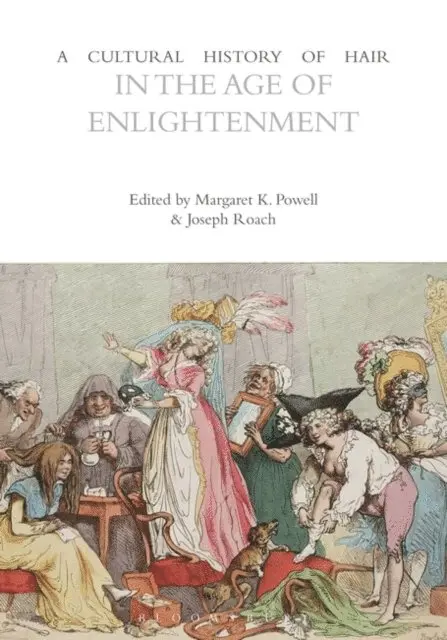
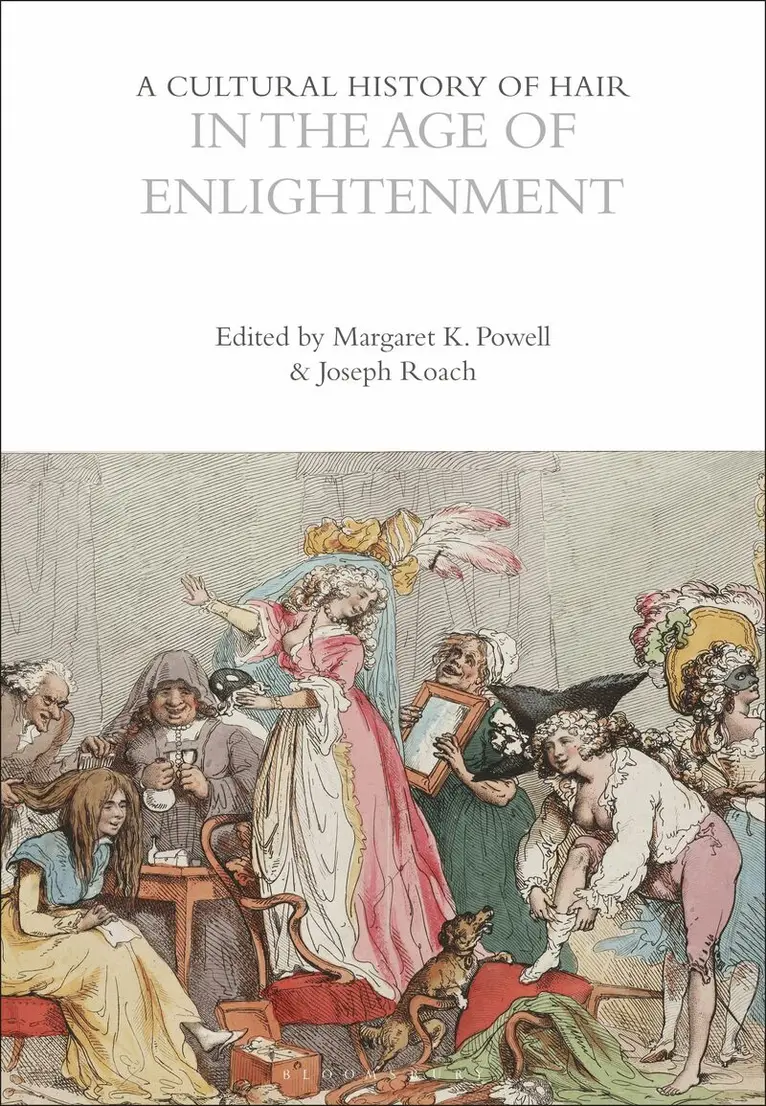
“A thick, tangled and deliciously idiosyncratic history of hair.” Times Literary SupplementThe Enlightenment (1650-1800) was the Golden Age of hair. Hair dominated fashion as never before or since, with more men and women than ever donning elaborate wigs and hairdos. Such unprecedentedly extravagant styling naturally increased the demand for the services of professional hairdressers, whose numbers grew apace throughout the period. They, in turn, created a new range of hair-care products and a new literature of hair-care advice, ranging from hairstyles to hygiene, thus enlarging the market and further stimulating consumption.A Cultural History of Hair in the Enlightenment offers a record of their marketing success, mindful that the ultimate product of this culture of consumption was the consumer. Literary and visual arts celebrated the ambitious têtes and coifs of the period, but they also lampooned and caricatured the most fashionable in society. By exploring paintings, prints, plays, poems, novels, treatises, and advice manuals, the contributors to this volume show how hair in this period expanded beyond the fashionable and the superstitious, and became newly understood as material, inspiring empirical research and powering applications such as in the woolen goods industry.The essays in this volume—covering Religion and Ritualized Belief, Self and Society, Fashion and Adornment, Production and Practice, Health and Hygiene, Gender and Sexuality, Race and Ethnicity, Class and Social Status, and Cultural Representations—explore hair’s many meanings and its importance during the Enlightenment period.