Margaret McCartney – författare
Visar alla böcker från författaren Margaret McCartney. Handla med fri frakt och snabb leverans.
7 produkter
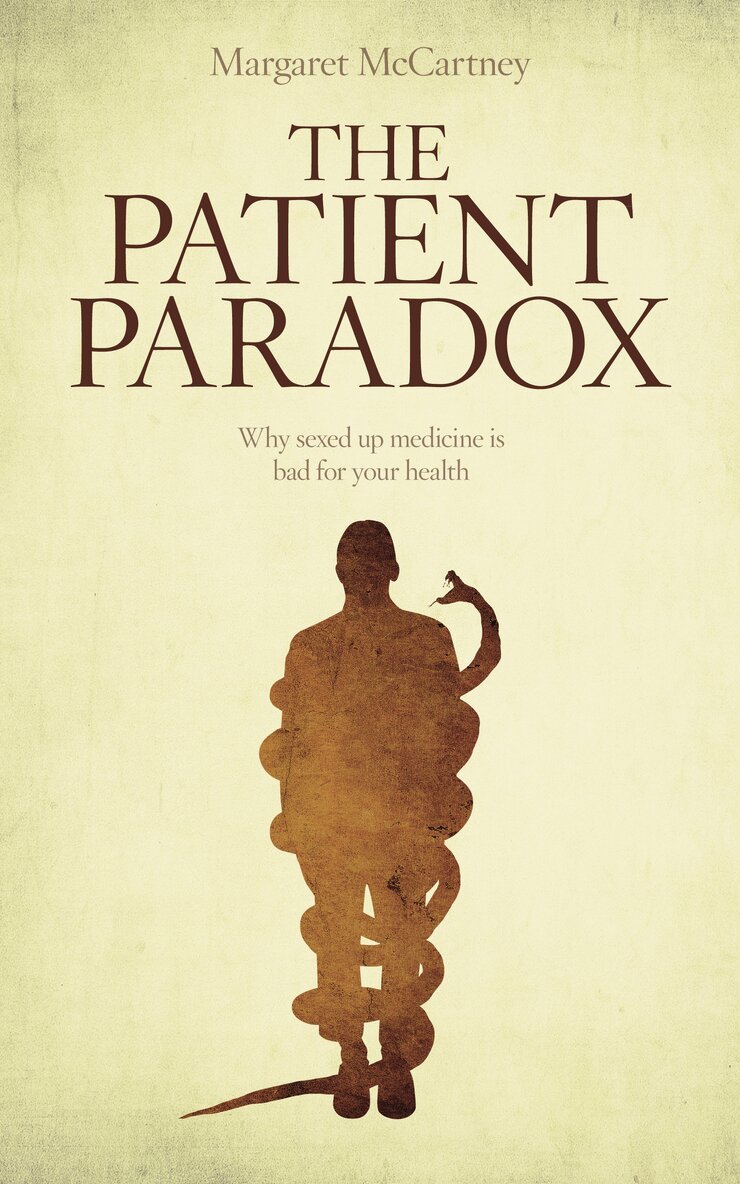
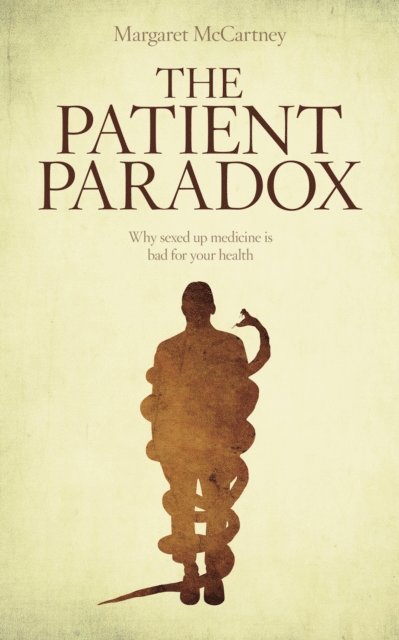
Patient Paradox
Why Sexed Up Medicine is Bad for Your Health
Häftad, 2012
122 kr
Lägg i varukorg
Welcome to the world of sexed-up medicine, where patients have been turned into customers, and clinics and waiting rooms are jammed with healthy people, lured in to have their blood pressure taken and cholesterol, smear test, bowel or breast screening done. In the world of sexed-up medicine …
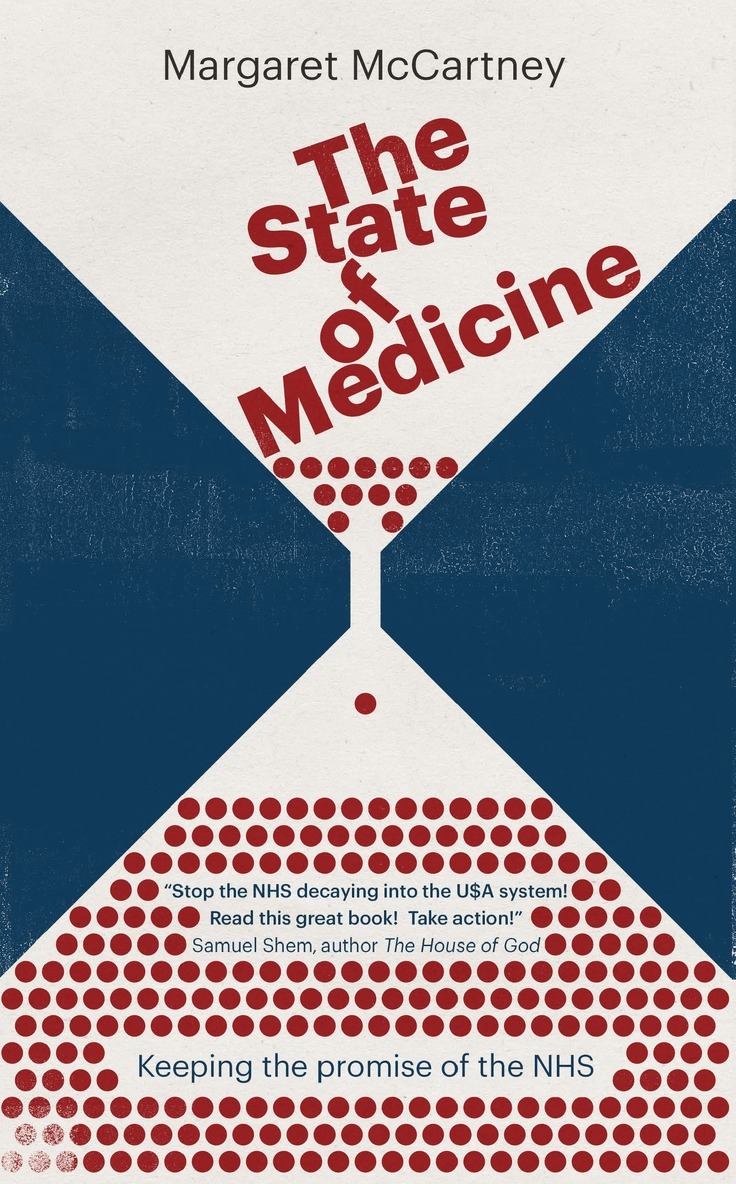
State of Medicine
Keeping the promise of the NHS
Häftad, 2016
148 kr
Lägg i varukorg
The NHS is the closest thing the UK has to a national religion. No wonder: it unites people across social and class divides. But it is also under pressure, underfunded, and unravelling at the seams. When the NHS was founded, children died of whooping cough and tuberculosis, and the average person …
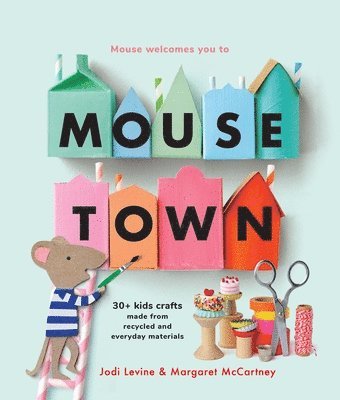
Mousetown
30+ Kids Crafts Made from Recycled and Everyday Materials
Av Jodi Levine, Margaret McCartney
Häftad, 2024
163 kr
Lägg i varukorg
Martha Stewart Living alumnae Jodi Levine and Margaret McCartney team up to create a beautiful and unique craft book that also tells the story of Mouse and his adventures in Mousetown. Welcome to Mousetown! In this inventive craft book, kids follow Mouse through his day in Mousetown, from getting …
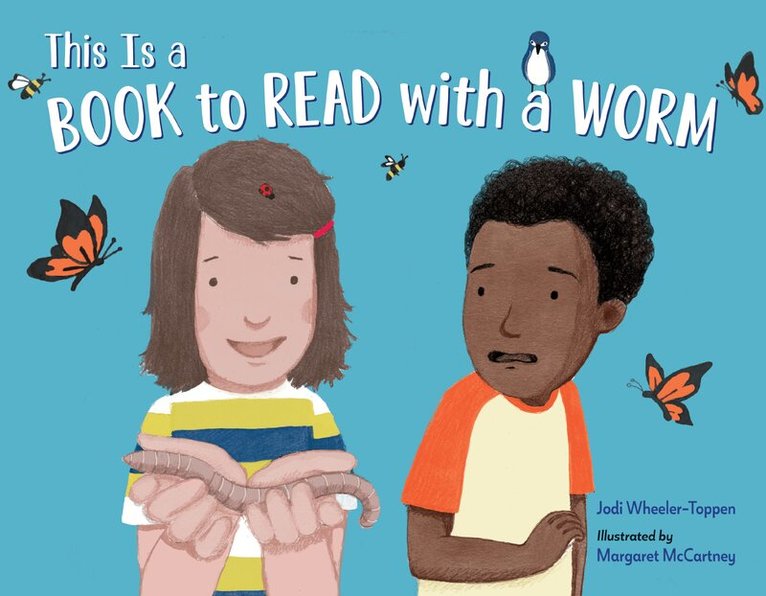
This Is a Book To Read With a Worm
Av Jodi Wheeler-Toppen, Margaret McCartney
Häftad, 2026
107 kr
Lägg i varukorg
Now in paperback! Discover the wonders of worms through hands-on experiments that spark curiosity, gross-out giggles, and real biology learning. Foster a love of animals and science with this charming activity guide for finding and observing earthworms. Hands-on experiments help young biologists …
Patient Paradox
E-bok
80 kr
Lägg i varukorg
Welcome to the world of sexed-up medicine, where patients have been turned into customers, and clinics and waiting rooms are jammed with healthy people, lured in to have their blood pressure taken and cholesterol, smear test, bowel or breast screening done. In the world of sexed-up medicine …
Living with Dying
E-bok
94 kr
Lägg i varukorg
Our ageing population is a modern success story, and success brings problems. The new demographic is for people to die in old age, or extreme old age, but with multiple illnesses and diagnoses, and on a cocktail of medication. But where is the balance of medicine between curing and caring? Are we …
Living with Dying
Finding Care and Compassion at the End of Life
Häftad, 2014
147 kr
Tillfälligt slut
Our ageing population is a modern success story, and success brings problems. The new demographic is for people to die in old age, or extreme old age, but with multiple illnesses and diagnoses, and on a cocktail of medication. But where is the balance of medicine between curing and caring? Are we …