Margarita Hidalgo – författare
2 246 kr
Skickas inom 10-15 vardagar
769 kr
Läs direkt efter köp
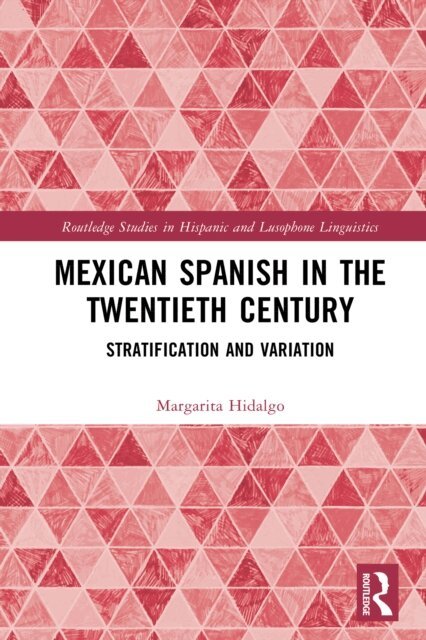
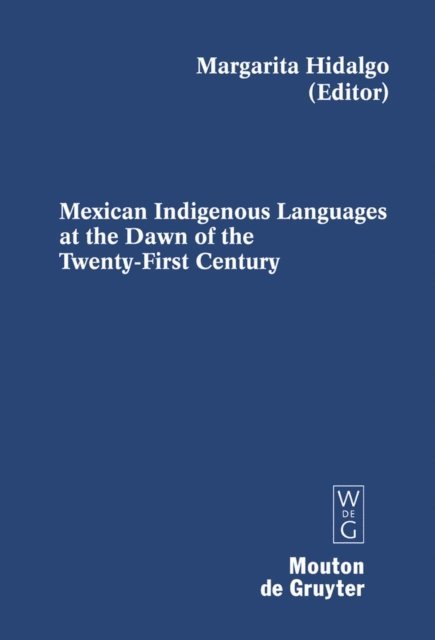
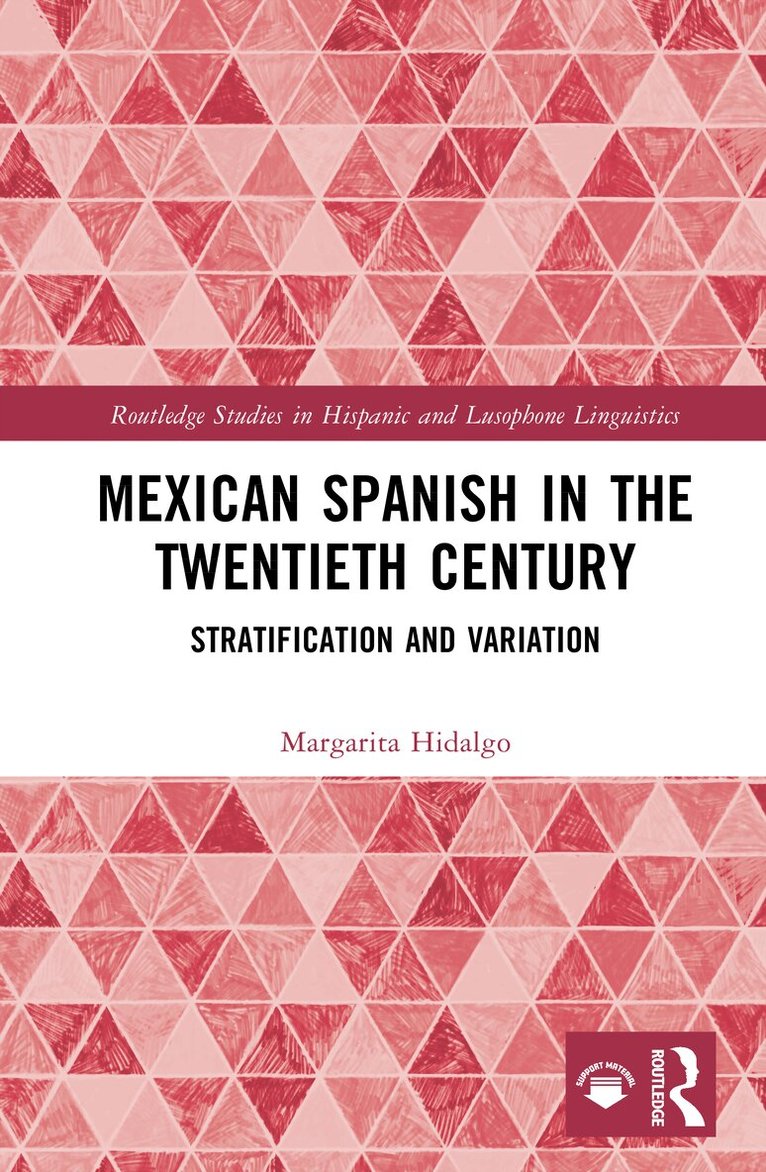
Mexican Spanish in the Twentieth Century explores the trends and patterns of sociolinguistic stratification and variation, providing a clearer understanding of linguistic variation in Mexican Spanish as spoken in the twentieth century.
The connection between past and present is evidenced through language data on Mexican Spanish gathered from various sources. The historical background of the nineteenth and twentieth centuries is revisited from the standpoint of stratification, conflict, and economic adjustments that fit within the model of modernity. This book advances both theoretical and methodological applications deemed necessary to crafting new research perspectives in Latin American sociolinguistics and the sociology of language. Seminal literary samples of Mexican and Latin American literature are presented systematically to exemplify the presence and vitality of linguistic variables along with their historical and social cultural context, offering a comprehensible and digestible approach to this field of study.
Mexican Spanish in the Twentieth Century is a comprehensive volume for students and researchers of Hispanic linguistics, dialectology, and sociolinguistics. It will appeal to readers with an interest in the diversity of Latin American Spanish.
769 kr
Läs direkt efter köp
Mexican Spanish in the Twentieth Century explores the trends and patterns of sociolinguistic stratification and variation, providing a clearer understanding of linguistic variation in Mexican Spanish as spoken in the twentieth century.
The connection between past and present is evidenced through language data on Mexican Spanish gathered from various sources. The historical background of the nineteenth and twentieth centuries is revisited from the standpoint of stratification, conflict, and economic adjustments that fit within the model of modernity. This book advances both theoretical and methodological applications deemed necessary to crafting new research perspectives in Latin American sociolinguistics and the sociology of language. Seminal literary samples of Mexican and Latin American literature are presented systematically to exemplify the presence and vitality of linguistic variables along with their historical and social cultural context, offering a comprehensible and digestible approach to this field of study.
Mexican Spanish in the Twentieth Century is a comprehensive volume for students and researchers of Hispanic linguistics, dialectology, and sociolinguistics. It will appeal to readers with an interest in the diversity of Latin American Spanish.
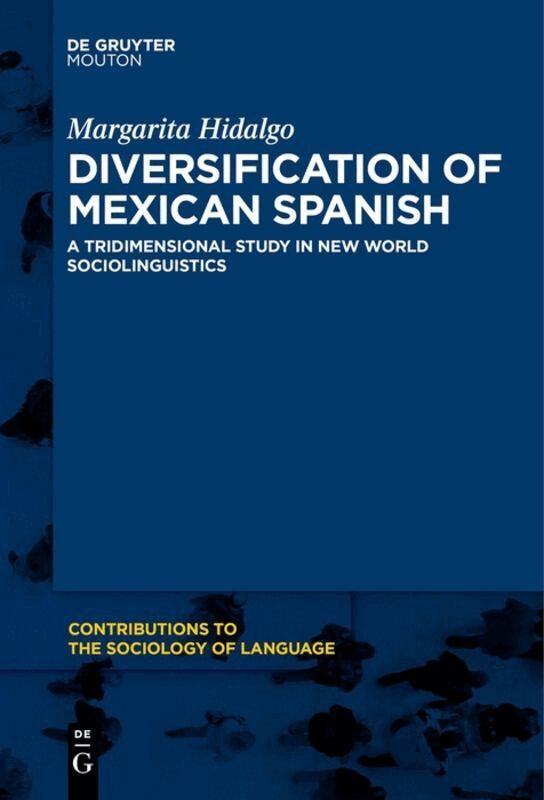
Diversification of Mexican Spanish
A Tridimensional Study in New World Sociolinguistics
1 729 kr
Skickas inom 5-8 vardagar
471 kr
Skickas inom 5-8 vardagar
516 kr
Skickas inom 3-6 vardagar
2 743 kr
Skickas inom 5-8 vardagar
2 723 kr
Läs direkt efter köp
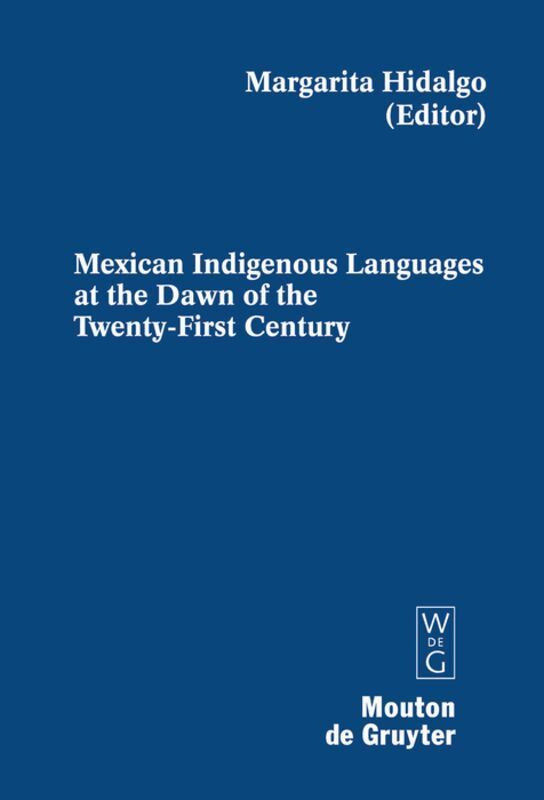
This volume explores the reversing language shift (RLS) theory in the Mexican scenario from various viewpoints: The sociohistorical perspective delves into the dynamics of power that emerged in the Mexican colony as a result of the presence of Spanish. It examines the processes of external and internal Indianization affecting the early European protagonists and the varied dimensions of language shift and maintenance of the Mexican colonial period.
The Mexican case sheds light upon language contact from the time in which Western civilization came into contact with the Mesoamerican peoples, for the encounter began with a demographic catastrophe that motivated a recovery mission. While the recovery of Mexican indigenous languages (MIL) was remarkable, RLS ended after fifty years of abundant productivity in MIL. Since then, the slow process of recovery is related to demographic changes, socioreligious movements, rebellion, confrontation, and survival strategies that have fostered language maintenance with bilingualism and language shift with culture preservation.
The causes of the Chiapas uprising are analyzed in connection with the language attitudes of the indigenous peoples, while language policy is discussed in reference to the new Law of Linguistic Rights of the Indigenous Peoples (2003). A quantitative classification of the MIL is offered with an overview of their geographic distribution, trends of macrosocietal bilingualism, use in the home domain, and permanence in the original Mesoamerican settlements. Innovative models of bilingual education are presented along with relevant data on several communities and the philosophies and methodologies justifying the programs. A model of Mazahua language use is presented along the Graded Intergenerational Disruption Scale.