Margery Fee - Böcker
Visar alla böcker från författaren Margery Fee. Handla med fri frakt och snabb leverans.
5 produkter
5 produkter
499 kr
Skickas inom 5-8 vardagar
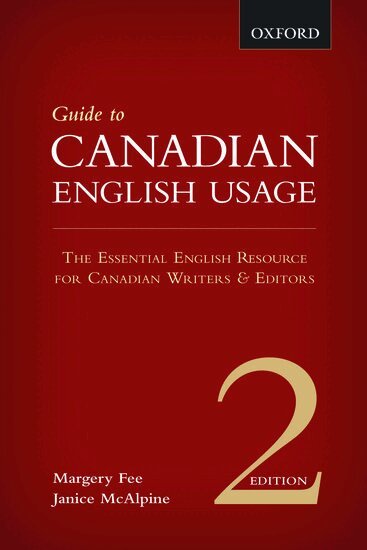
The complexities of the English language can be daunting for even the most fluent speakers, and for Canadians this is doubly so with the mixture of British and American traditions. Almost anyone engaged in formal writing will sometimes need to consult a usage guide for advice, but Canadians have always been forced to choose between a British or an American source. With the Guide to Canadian English Usage, writers will have an authoritative reference based on Canadian sources that provides pithy direction on numerous details of the language.From the indefinite article to zoology, alphabetically arranged entries clarify issues of word choice, punctuation, spelling, and abbreviation. Throughout it offers guidance on Canadianisms, confusibles, difficult expressions, First Nation names, foreign phrases, grammar, inclusive language, punctuation, spelling, and troublesome pronunciations. Each entry explains the problem at hand, outlines a range of prescriptions, and then either recommends a particular usage or reviews the alternatives from which the now-informed reader can choose. All entries feature a wide range of fascinating quotations from Canadian sources.Newly reissued in an attractive hardcover edition, the Guide to Canadian English Usage is the essential reference for any writer, editor, or speaker of English in Canada.
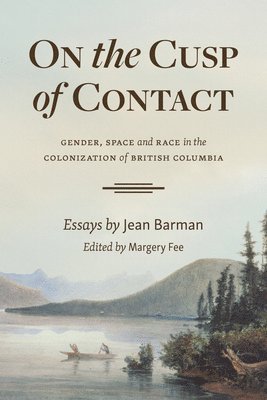
On the Cusp of Contact
Gender, Space and Race in the Colonization of British Columbia
Häftad, Engelska, 2020
311 kr
Tillfälligt slut
Tekahionwake: E. Pauline Johnson's Writings on Native North America
E. Pauline Johnson's Writings on Native North America
Häftad, Engelska, 2015
368 kr
Skickas
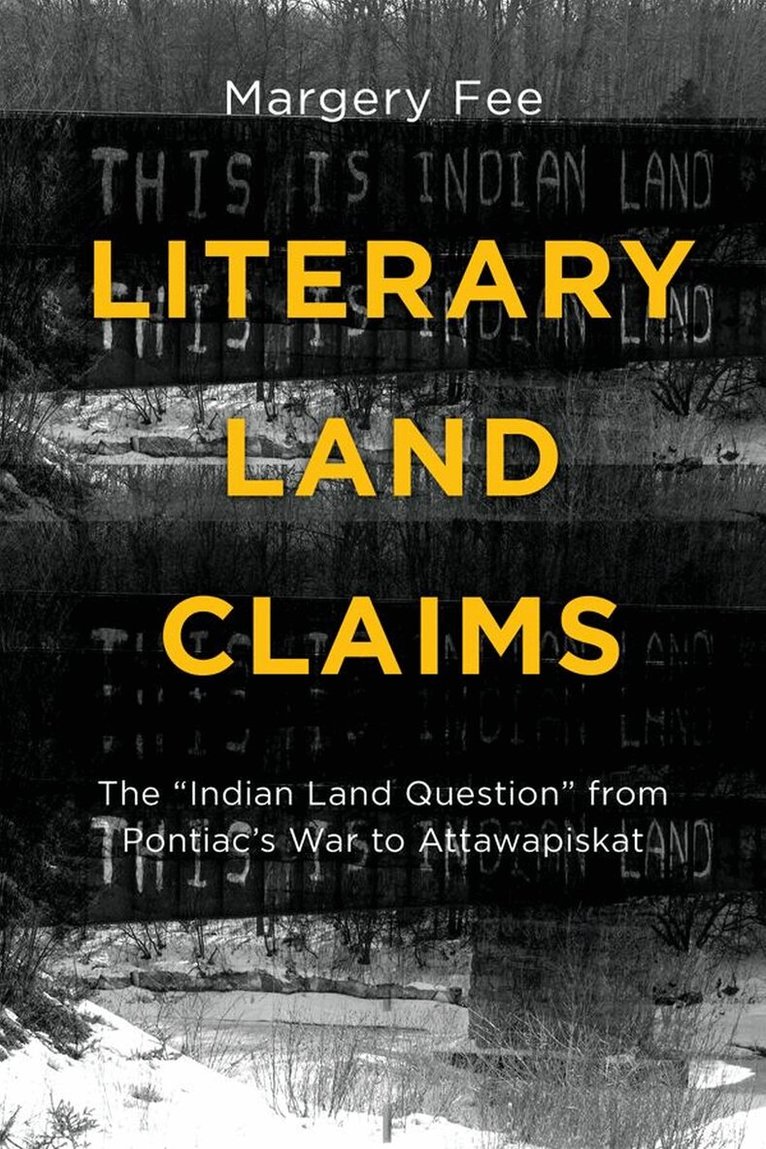
Literary Land Claims
The ""Indian Land Question"" from Pontiac's War to Attawapiskat
Häftad, Engelska, 2015
293 kr
Skickas
Literature not only represents Canada as ""our home and native land"" but has been used as evidence of the civilization needed to claim and rule that land. Indigenous people have long been represented as roaming ""savages"" without land title and without literature. Literary Land Claims: From Pontiac's War to Attawapiskat analyzes works produced between 1832 and the late 1970s by writers who resisted these dominant notions.Margery Fee examines John Richardson's novels about Pontiac's War and the War of 1812 that document the breaking of British promises to Indigenous nations. She provides a close reading of Louis Riel's addresses to the court at the end of his trial in 1885, showing that his vision for sharing the land derives from the Indigenous value of respect. Fee argues that both Grey Owl and E. Pauline Johnson's visions are obscured by challenges to their authenticity. Finally, she shows how storyteller Harry Robinson uses a contemporary Okanagan framework to explain how white refusal to share the land meant that Coyote himself had to make a deal with the King of England.Fee concludes that despite support in social media for Theresa Spence's hunger strike, Idle No More, and the Indian Residential School Truth and Reconciliation Commission, the story about ""savage Indians"" and ""civilized Canadians"" and the latter group's superior claim to ""develop"" the lands and resources of Canada still circulates widely. If the land is to be respected and shared as it should be, literary studies needs a new critical narrative, one that engages with the ideas of Indigenous writers and intellectuals.
157 kr
Skickas
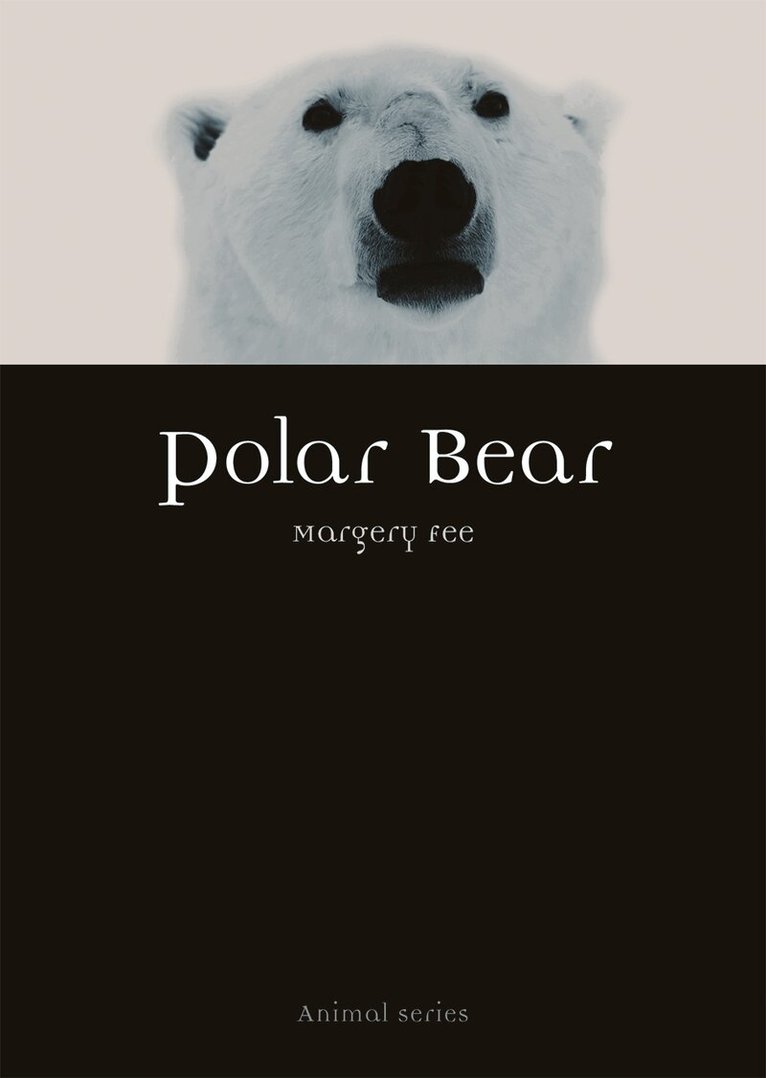
Polar bears are truly majestic animals: the largest land-dwelling carnivore on earth, they can measure up to 3 metres in length, and weigh up to 700 kilograms. They are also iconic in other ways – a symbol of the climate change debate, with their survival now threatened by the loss of Arctic ice. Their images decorate fountains and the cornices of buildings across Europe. They sell cold drinks. They feature in children’s books, on merry-go-rounds, and under the arms of weary toddlers heading for bed. Their pelts were once highly prized by hunters and live captures became attractions in zoos and circuses. Stuffed bears still haunt museums and stately homes. This is a natural and cultural history of the polar bear, describing the evolution, species, habitat and behaviour of the animal, as well as its portrayal in art, literature, film and advertising. With many fine images throughout, this will appeal to the wide audience who love these outsize, beautiful, seemingly cuddly yet deadly carnivores.