Maria C. Grant - Böcker
456 kr
Skickas inom 5-8 vardagar
Teaching writing that is relevant to your students and their futures
What kind of writing do we do beyond school? It certainly isn’t the well-known five-paragraph essay or tight iambic pentameter. In today’s workforce, the purpose of writing is to communicate complex ideas specific to career fields. Students need more than simply mastering academic writing, so Teaching Writing From Content Classroom to Career shows how to combine writing instruction teachers already share – language selection, tone, voice, audience, organization, and style – with meaningful writing tasks so students can connect classroom writing to the world of their work and their futures. Authors Maria C. Grant, Diane Lapp, and Marisol Thayre explain ways to show students how writing works in the world of work with
Ready-to-go lesson plans focused on relevant, world-of-work writing tasks and formatsAn overarching rubric of key skills as well as student-self-assessment rubrics to make instruction and implementation crystal clearDownloadable and reproducible tools for both students and teachers for ease of implementationExemplar mentor texts from the workplace in multiple disciplines that showcase writing’s essential connections to workforce readinessSuggestions for using AI to generate exemplar textsExamples of how to be a successful communicator who knows how and when to move in and out of different modes of languageFull of tools, resources, and strategies that are easy to implement and seamlessly overlay school writing curriculum, this book sets students on the path to academic and career success through writing.
564 kr
Skickas inom 3-6 vardagar
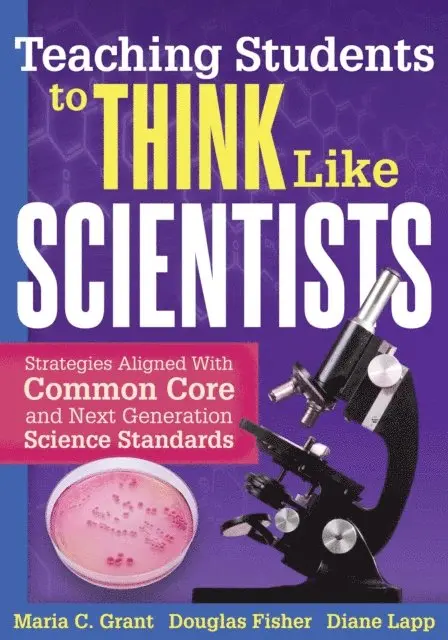
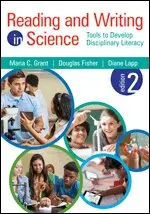
Engage your students in scientific thinking across disciplines!
Did you know that scientists spend more than half of their time reading and writing? Students who are science literate can analyze, present, and defend data – both orally and in writing.
The updated edition of this bestseller offers strategies to link the new science standards with literacy expectations and specific ideas you can put to work right away. Features include:
A discussion of how to use science to develop essential 21st century skills Instructional routines that help students become better writers Useful strategies for using complex scientific texts in the classroom Tools to monitor student progress through formative assessment
When students are curious, they thrive. Give your students the strong base they need to create and share scientific ideas that have an impact in the classroom and beyond.
“This is a teacher-friendly book that drew me in from the introduction to the end. Through real-life scenarios combined with useful methods for instruction, it illustrates how science teachers can use language as a tool for teaching science.” -Trina Allen, Science Content Specialist Measurement Incorporated
“An eminently readable guide for the novice and experienced teacher. The many practical ideas in this volume demonstrate that improving students’ skills in reading and writing can also improve their understanding and ability in science.” - Cary Sneider, Associate Research Professor
Portland State University, Portland, OR