Maria Davis – författare
Visar alla böcker från författaren Maria Davis. Handla med fri frakt och snabb leverans.
10 produkter
10 produkter
262 kr
Skickas inom 5-8 vardagar
141 kr
Skickas inom 5-8 vardagar
1 191 kr
Skickas inom 10-15 vardagar
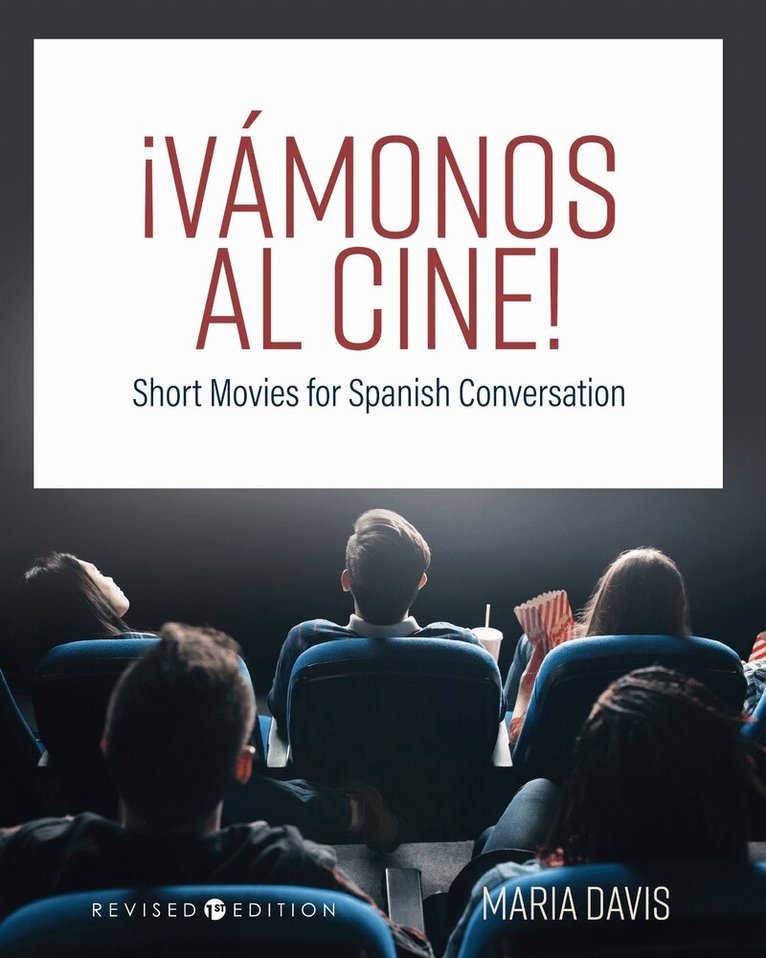
Designed to engage students and inspire lively conversational practice, ¡Vámonos al cine! Short Movies for Spanish Conversation provides language learners with a collection of short films in Spanish, coupled with vocabulary and grammar activities, to support language acquisition and improve their speaking ability. The book and movies help students learn new vocabulary, review grammar, and develop an understanding of Hispanic culture, history, and social habits.The text and movies cover a variety of unique and interesting topics, including the influence of technology on personal relationships, romantic and familial relationships, Hispanic culture and history, personal identity and social pressure, immigration, and more. For each topical area, students are challenged to read new vocabulary, answer preliminary questions, and make predictions about the movie they are going to watch. Links and QR codes within the text—which have been updated or replaced for the revised first edition—provide students with easy access to the individual films. After watching a film, students read related articles, answer questions, and review a specific grammatical aspect of the language used in the movie. Finally, they are prompted to create dialogues and perform a scene from the movie or participate in debates about the topics covered in the film or in class. Highly innovative in approach, ¡Vámonos al cine! is a valuable learning resource for intermediate level Spanish courses, especially those with focus on conversational Spanish.
1 288 kr
Skickas inom 10-15 vardagar
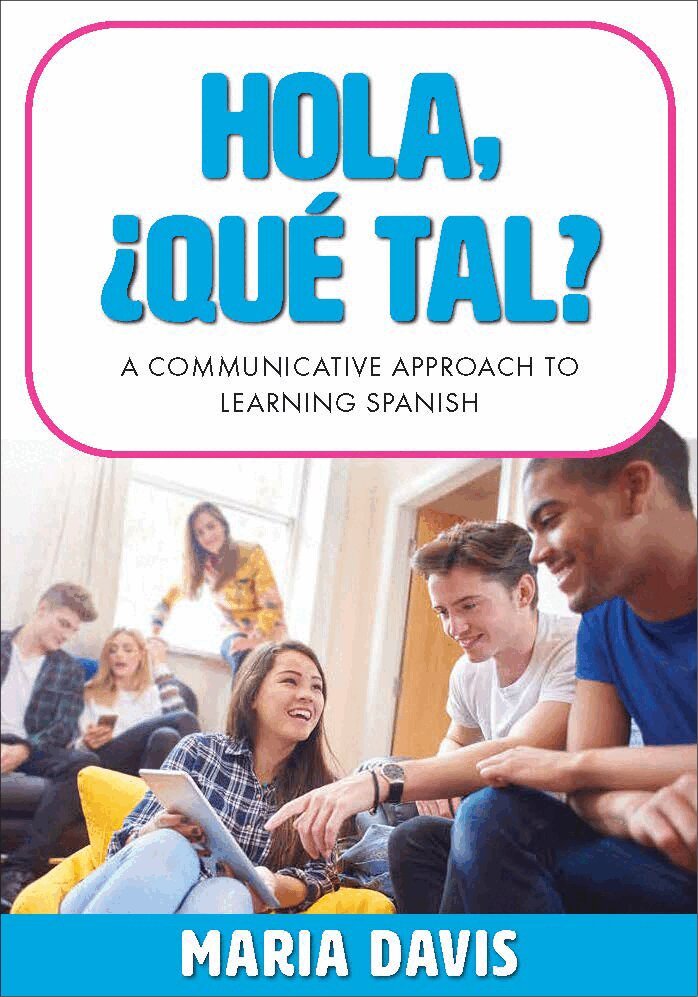
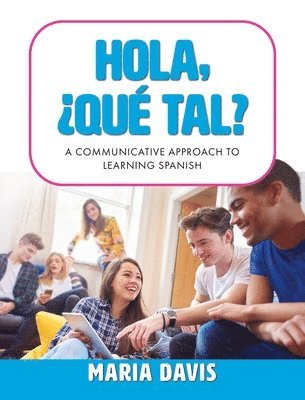
Hola, ¿Qué tal? A Communicative Approach to Learning Spanish provides beginning Spanish speakers with real-world communication activities to help them develop and practice their language skills. Through this unique and effective approach, students induce and discover grammatical rules through exercises that require them to negotiate meaning and to interact with others in a meaningful way.Each chapter features communication-based activities in which they can practice their speaking, reading, and listening skills altogether. Opening chapters teach students how to greet other people, tell time, form questions, talk about college life, describe the locations of people and things, and express possession. Students practice inviting others to activities, talking about feelings and emotions, paying for items during shopping trips, discussing daily routines, and much more. The chapters leverage short movies, which better engage students and help them learn new vocabulary, review grammar, and practice their listening comprehension skills. Student learn how to adapt their language according to the context, such as when to use formal or informal speech and when to use language appropriately for written as opposed to spoken communication. The book also provides students with short readings that allow them to better understand Hispanic cultural habits. Emphasizing practical application and offering students a holistic approach to language acquisition, Hola, ¿Qué tal? is an innovative and effective textbook for beginning Spanish courses.
415 kr
Skickas
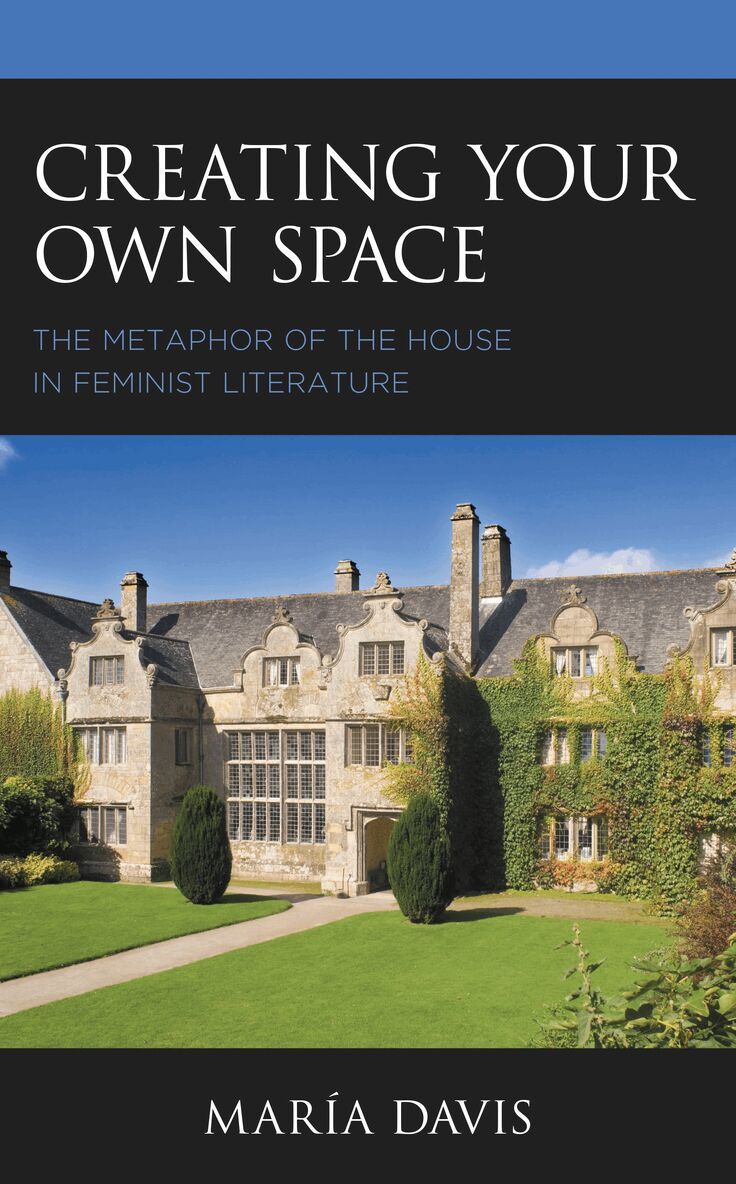
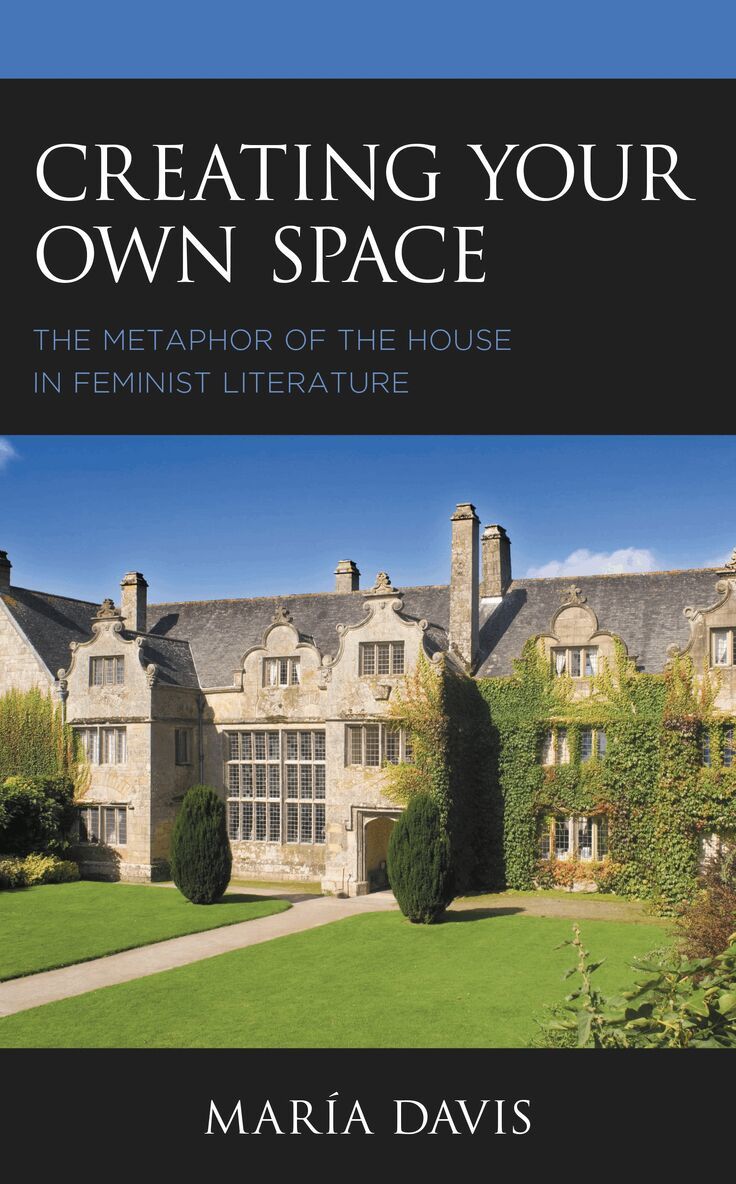
The relationship between women and houses has always been complex. Many influential writers have used the space of the house to portray women's conflicts with the society of their time. On the one hand, houses can represent a place of physical, psychological and moral restrictions, and on the other, they often serve as a metaphor for economic freedom and social acceptance. This usage is particularly pronounced in works written in the nineteenth and twentieth century, when restrictions on women's roles were changing: "anxieties about space sometimes seem to dominate the literature of both nineteenth-century women and their twentieth-century descendants." The Metaphor of the House in Feminist Literature uses a feminist literary criticism approach in order to examine the use of the house as metaphor in nineteenth and twentieth century literature.
561 kr
Skickas inom 10-15 vardagar
The relationship between women and houses has always been complex. Many influential writers have used the space of the house to portray women's conflicts with the society of their time. On the one hand, houses can represent a place of physical, psychological and moral restrictions, and on the other, they often serve as a metaphor for economic freedom and social acceptance. This usage is particularly pronounced in works written in the nineteenth and twentieth century, when restrictions on women's roles were changing: "anxieties about space sometimes seem to dominate the literature of both nineteenth-century women and their twentieth-century descendants." The Metaphor of the House in Feminist Literature uses a feminist literary criticism approach in order to examine the use of the house as metaphor in nineteenth and twentieth century literature.
321 kr
Skickas inom 3-6 vardagar
123 kr
Skickas inom 5-8 vardagar
2 485 kr
Skickas inom 5-8 vardagar
135 kr
Skickas inom 5-8 vardagar