Maria do Carmo Picarra – författare
Visar alla böcker från författaren Maria do Carmo Picarra. Handla med fri frakt och snabb leverans.
5 produkter
5 produkter
Del 8 - Reconfiguring Identities in the Portuguese-speaking World
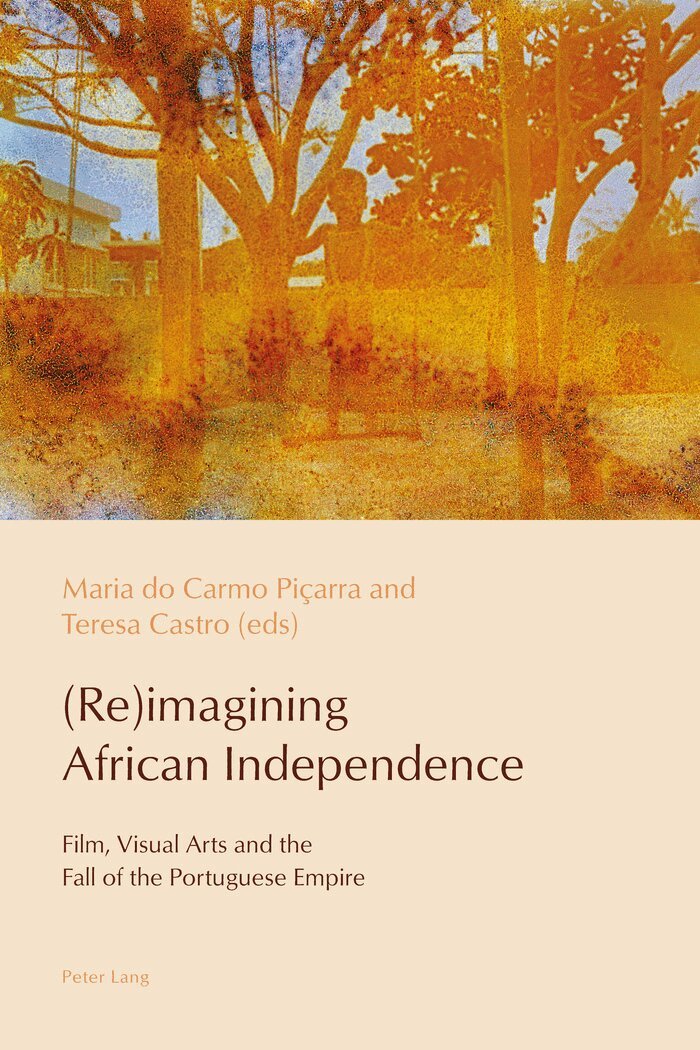
(Re)imagining African Independence
Film, Visual Arts and the Fall of the Portuguese Empire
Häftad, Engelska, 2017
804 kr
Skickas inom 5-8 vardagar
Del 21 - Reconfiguring Identities in the Portuguese-speaking World
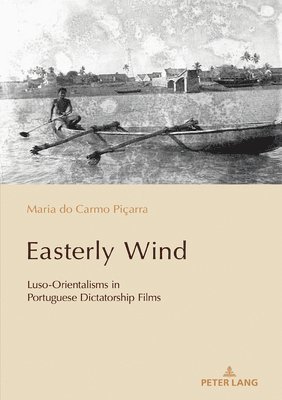
Easterly Wind
Luso-Orientalisms in Portuguese Dictatorship Films
Häftad, Engelska, 2025
549 kr
Skickas inom 5-8 vardagar
The filmography representing the ‘Portuguese Orient’ during the Estado Novo (1933–1974) is scarce and late, employing a simplified Luso- tropicalist rhetoric that repeatedly actualises the myth of a vast, long-lost, territory. This book examines the impact of cinematographic representations of the former Portuguese territories in the Orient on socio-cultural memories and narrative identities, through a critical exhumation of the archives and analysis of existing filmography. The analysis reveals that films of the ‘Portuguese Orient’ depict this imagined community with a certain degree of vagueness. This is largely a consequence of the prolonged disintegration of the metropolis’ relationship with this imagined community, a relationship that was mainly based on projections (about their alleged Portuguese identity) and ruins.
Häftad, Engelska, 2024
648 kr
Skickas inom 5-8 vardagar
Inbunden, Engelska, 2026
1 794 kr
Skickas inom 10-15 vardagar
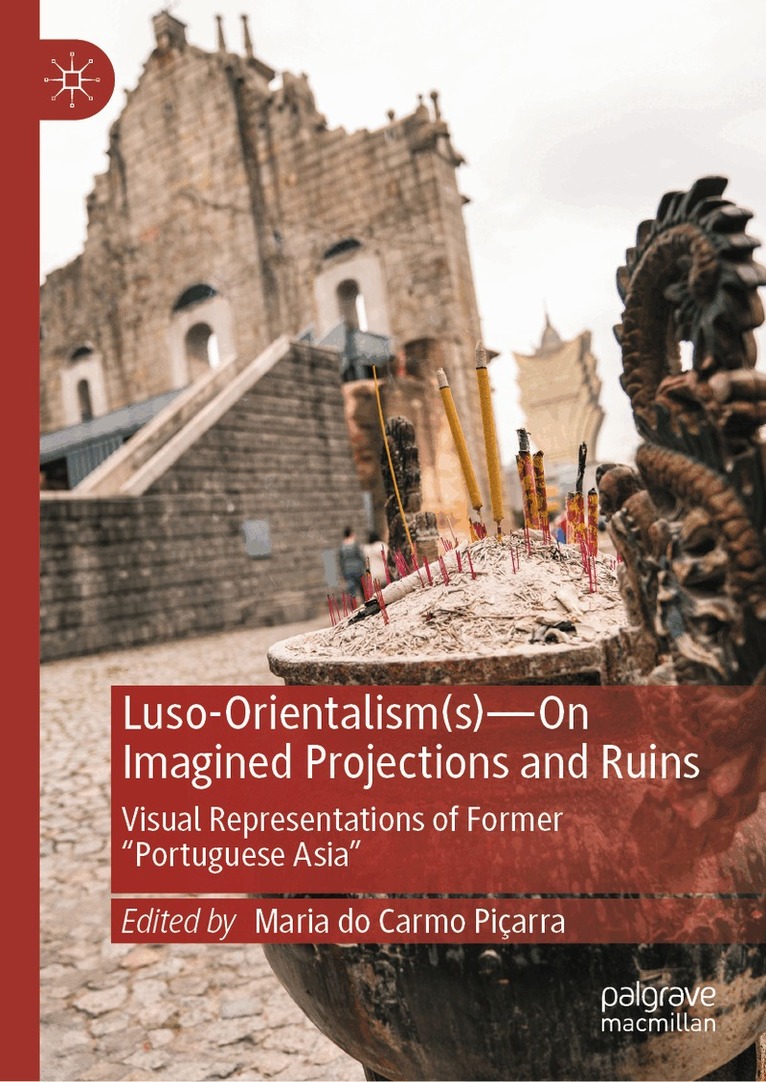
This book aims to explore the multiple ways in which Portuguese colonialism in former “Portuguese Asia” has been imagined. It focuses primarily on how Estado Novo (1933–1974), the longest-running European dictatorship, “imagined” these territories and peoples. Images played a pivotal role in the exercise of colonial power, propagating established ideas and portraying a colonial reality entirely from a Western perspective. Scarce existing studies rarely acknowledge the need to differentiate between the specificities glossed over by Luso-tropicalist (and Luso-orientalists) discourse. Despite their propagandistic nature and their impact on the socio-cultural memories and narrative identities of the former Portuguese territories in Asia, visual representations of colonialism have largely remained unquestioned. By analysing the impact of such representations in cinema, photography and literature, among other media, the book aims to distinguish between the circumstances of “Portuguese India”, Macau and Timor while also considering anti-(post)colonial ruptures and persistences.
E-bok
Engelska, 20262 213 kr
Läs direkt efter köp
This book aims to explore the multiple ways in which Portuguese colonialism in former “Portuguese Asia” has been imagined. It focuses primarily on how Estado Novo (1933–1974), the longest-running European dictatorship, “imagined” these territories and peoples. Images played a pivotal role in the exercise of colonial power, propagating established ideas and portraying a colonial reality entirely from a Western perspective. Scarce existing studies rarely acknowledge the need to differentiate between the specificities glossed over by Luso-tropicalist (and Luso-orientalists) discourse. Despite their propagandistic nature and their impact on the socio-cultural memories and narrative identities of the former Portuguese territories in Asia, visual representations of colonialism have largely remained unquestioned. By analysing the impact of such representations in cinema, photography and literature, among other media, the book aims to distinguish between the circumstances of “Portuguese India”, Macau and Timor while also considering anti-(post)colonial ruptures and persistences.