María J. López – författare
Visar alla böcker från författaren María J. López. Handla med fri frakt och snabb leverans.
9 produkter
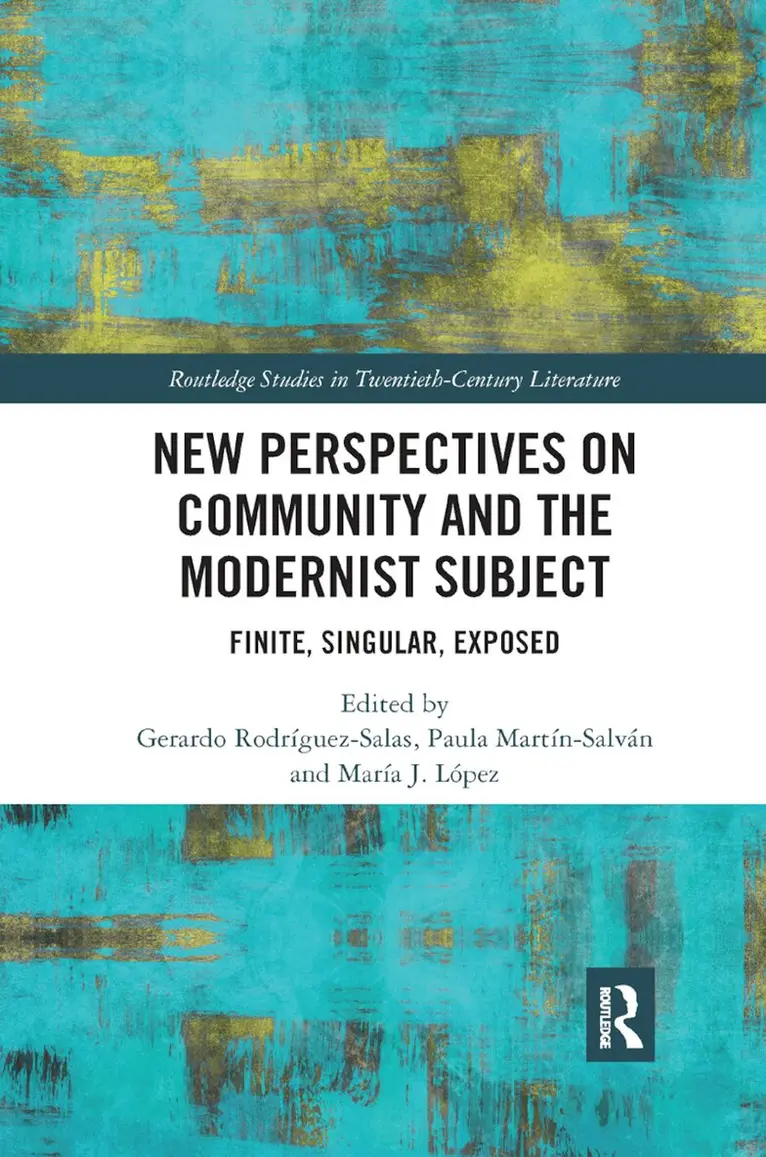
New Perspectives on Community and the Modernist Subject
Finite, Singular, Exposed
Av María J. López, Paula Martín Salván m. fl.
Häftad, 2019
811 kr
Lägg i varukorg
New Perspectives on Community and the Modernist Subject: Finite, Singular, Exposed offers new approaches to the modernist subject and its relation to community. With a non-exclusive focus on narrative, the essays included provide innovative and theoretically informed readings of canonical modernist …
New Perspectives on Community and the Modernist Subject
Finite, Singular, Exposed
Av María J. López, Paula Martín Salván m. fl.
Inbunden, 2017
2886 kr
Lägg i varukorg
New Perspectives on Community and the Modernist Subject: Finite, Singular, Exposed offers new approaches to the modernist subject and its relation to community. With a non-exclusive focus on narrative, the essays included provide innovative and theoretically informed readings of canonical modernist …
New Perspectives on Community and the Modernist Subject
Finite, Singular, Exposed
Av Gerardo Rodriguez Salas, Paula Martin Salvan m. fl.
E-bok, 2017
928 kr
Lägg i varukorg
New Perspectives on Community and the Modernist Subject: Finite, Singular, Exposed offers new approaches to the modernist subject and its relation to community. With a non-exclusive focus on narrative, the essays included provide innovative and theoretically informed readings of canonical modernist …
New Perspectives on Community and the Modernist Subject
Finite, Singular, Exposed
Av Gerardo Rodriguez Salas, Paula Martin Salvan m. fl.
E-bok, 2017
956 kr
Lägg i varukorg
New Perspectives on Community and the Modernist Subject: Finite, Singular, Exposed offers new approaches to the modernist subject and its relation to community. With a non-exclusive focus on narrative, the essays included provide innovative and theoretically informed readings of canonical modernist …
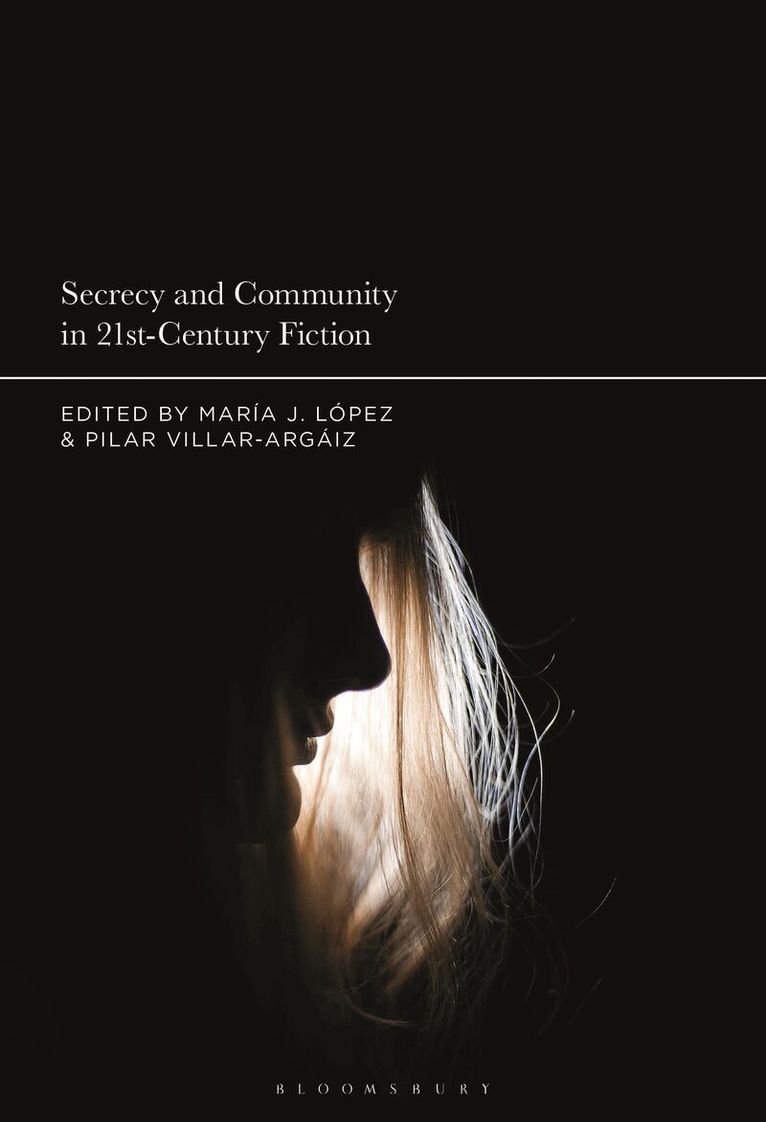
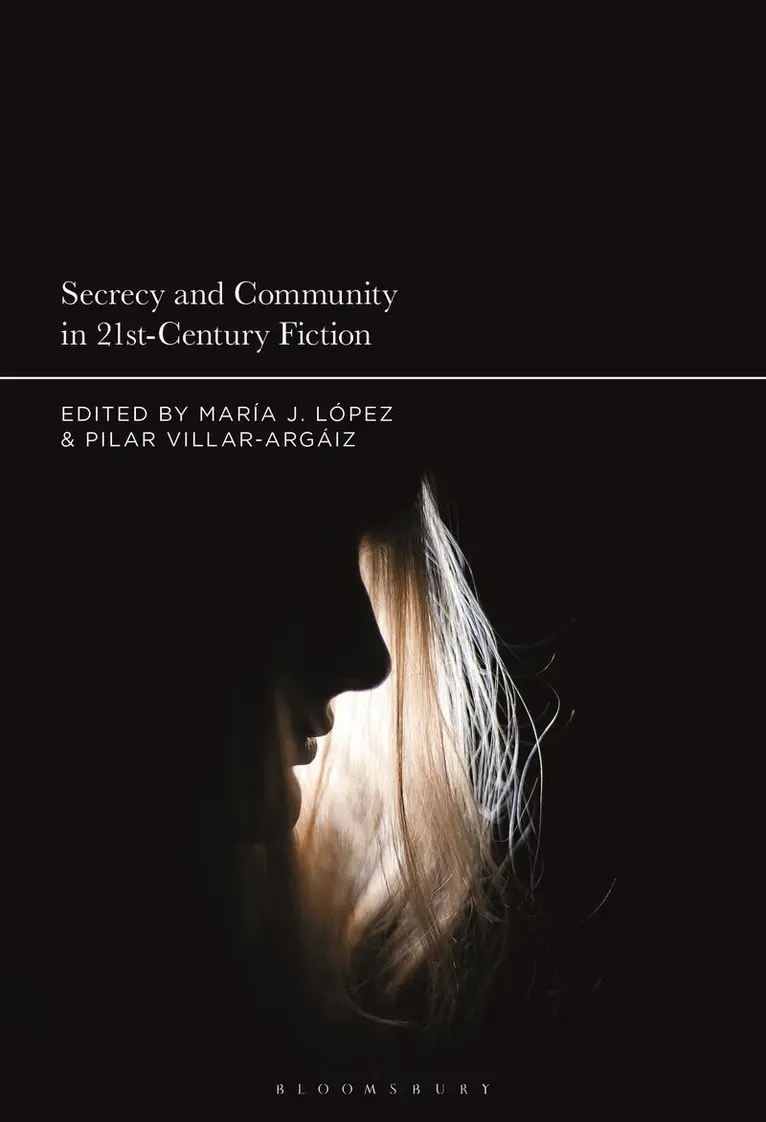
Secrecy and Community in 21st-Century Fiction
Av María J. López, Pilar Villar-Argáiz
Inbunden, 2021
1632 kr
Lägg i varukorg
Secrecy and Community in 21st-Century Fiction examines the relation between secrecy and community in a diverse and international range of contemporary fictional works in English. In its concern with what is called 'communities of secrecy', it is fundamentally indebted to the thought of Jacques …
Secrecy and Community in 21st-Century Fiction
Av María J. López, Pilar Villar-Argáiz
E-bok, 2021
561 kr
Lägg i varukorg
Secrecy and Community in 21st-Century Fiction examines the relation between secrecy and community in a diverse and international range of contemporary fictional works in English. In its concern with what is called 'communities of secrecy', it is fundamentally indebted to the thought of Jacques …
Secrecy and Community in 21st-Century Fiction
Av María J. López, Pilar Villar-Argáiz
E-bok, 2021
574 kr
Lägg i varukorg
Secrecy and Community in 21st-Century Fiction examines the relation between secrecy and community in a diverse and international range of contemporary fictional works in English. In its concern with what is called 'communities of secrecy', it is fundamentally indebted to the thought of Jacques …
Secrecy and Community in 21st-Century Fiction
Av María J. López, Pilar Villar-Argáiz
Häftad, 2022
527 kr
Lägg i varukorg
Secrecy and Community in 21st-Century Fiction examines the relation between secrecy and community in a diverse and international range of contemporary fictional works in English. In its concern with what is called 'communities of secrecy', it is fundamentally indebted to the thought of Jacques …
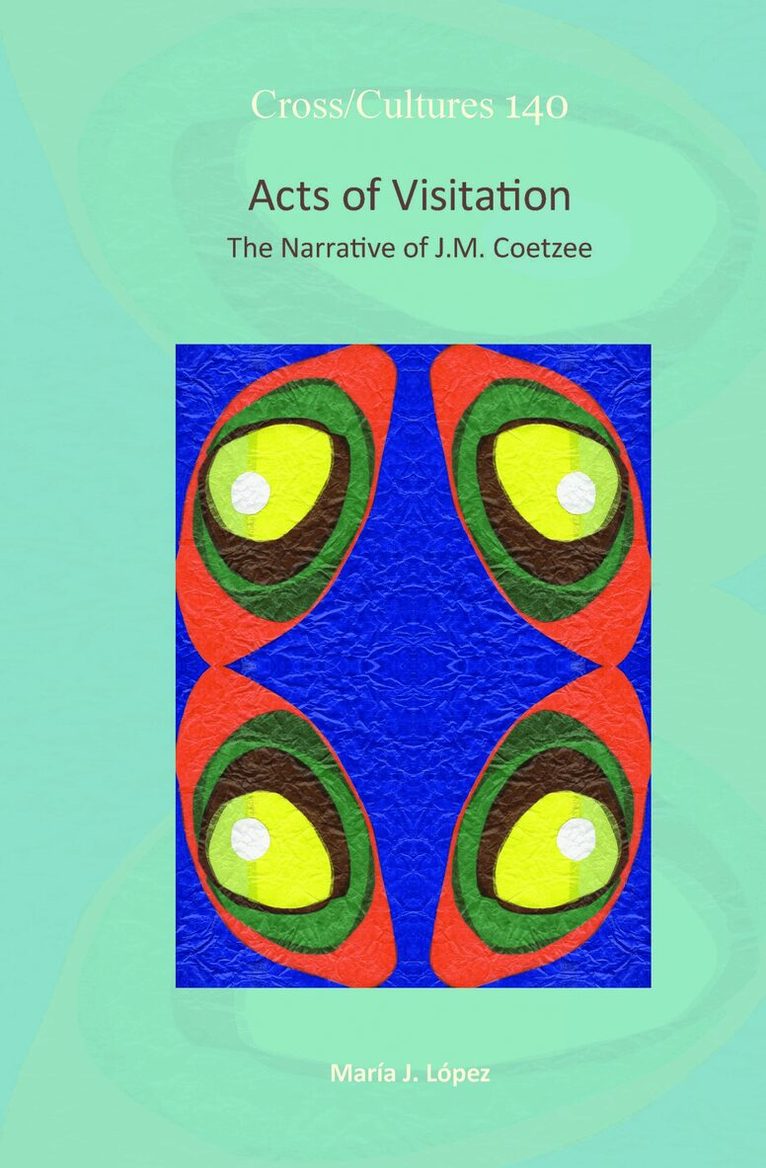
Acts of Visitation
The Narrative of J.M. Coetzee
Inbunden, 2011
2201 kr
Lägg i varukorg
This study traces, in J.M. Coetzee’s fictional and non-fictional production, an imaginative and intellectual masterplot deriving from Coetzee’s perception of European presence in (South) Africa as having its origin in an act of illegitimate penetration and fraudulent visitation. In Coetzee’s …