Maria Koinova – författare
Visar alla böcker från författaren Maria Koinova. Handla med fri frakt och snabb leverans.
10 produkter
Diaspora Entrepreneurs and Contested States
E-bok, 2021
433 kr
Lägg i varukorg
Why do conflict-generated diasporas mobilize in contentious and non-contentious ways or use mixed strategies? This book develops a theory of socio-spatial positionality and its implications for the individual agency of diaspora entrepreneurs. A novel typology features four types of diaspora …
Diaspora Entrepreneurs and Contested States
E-bok, 2021
433 kr
Lägg i varukorg
Why do conflict-generated diasporas mobilize in contentious and non-contentious ways or use mixed strategies? This book develops a theory of socio-spatial positionality and its implications for the individual agency of diaspora entrepreneurs. A novel typology features four types of diaspora …
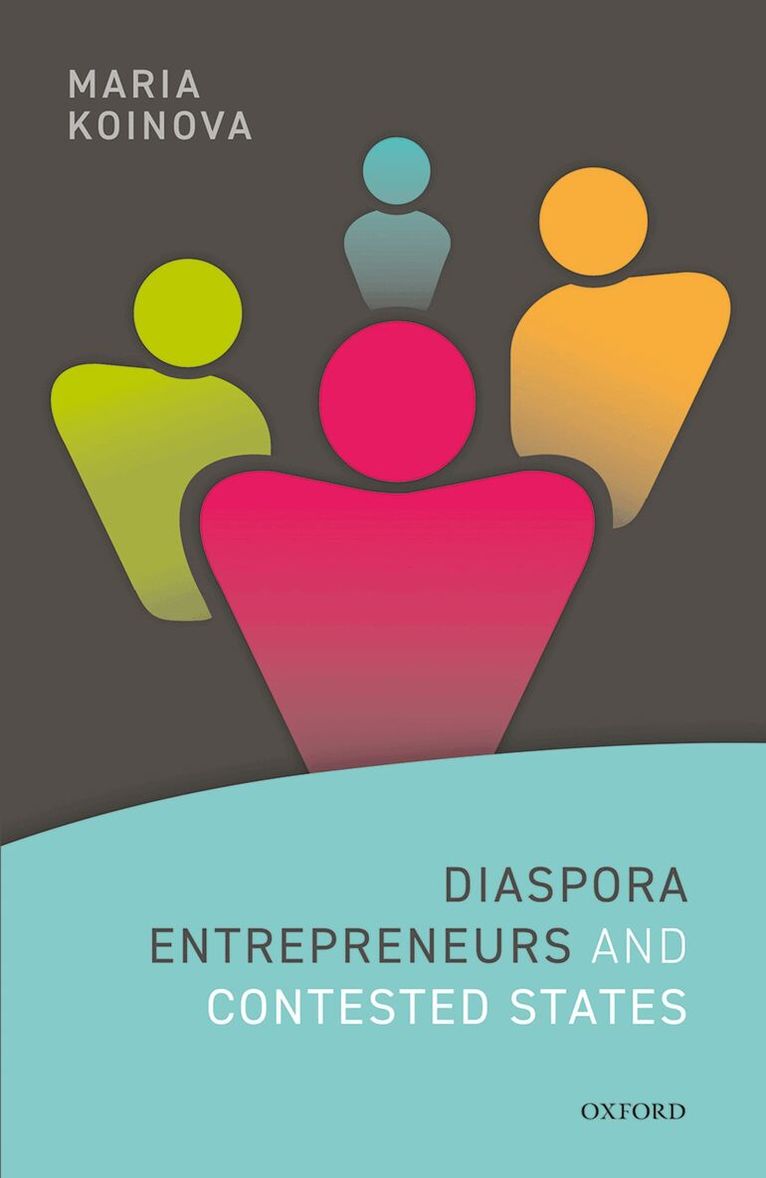
Diaspora Entrepreneurs and Contested States
Inbunden, 2021
1932 kr
Lägg i varukorg
Why do conflict-generated diasporas mobilize in contentious and non-contentious ways or use mixed strategies?This book develops a theory of socio-spatial positionality and its implications for the individual agency of diaspora entrepreneurs. A novel typology features four types of diaspora …
Diaspora Entrepreneurs and Contested States
Häftad, 2023
520 kr
Lägg i varukorg
Why do conflict-generated diasporas mobilize in contentious and non-contentious ways or use mixed strategies? This book develops a theory of socio-spatial positionality and its implications for the individual agency of diaspora entrepreneurs. A novel typology features four types of diaspora …
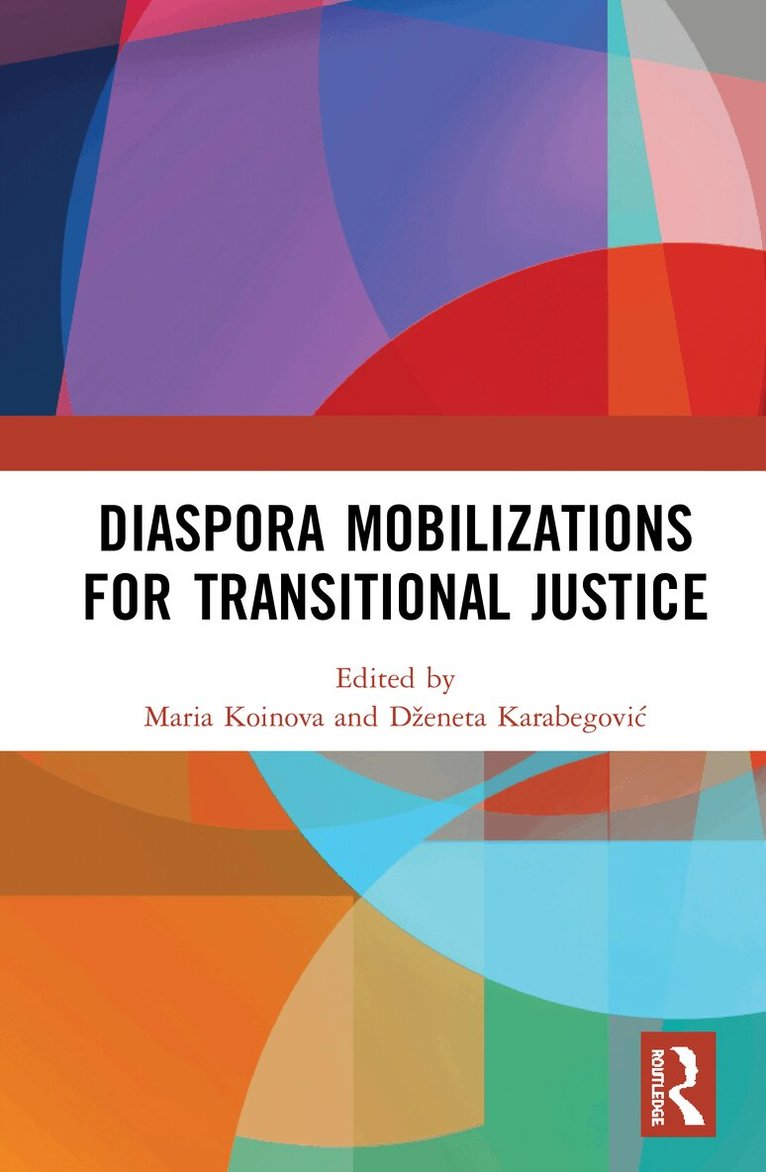
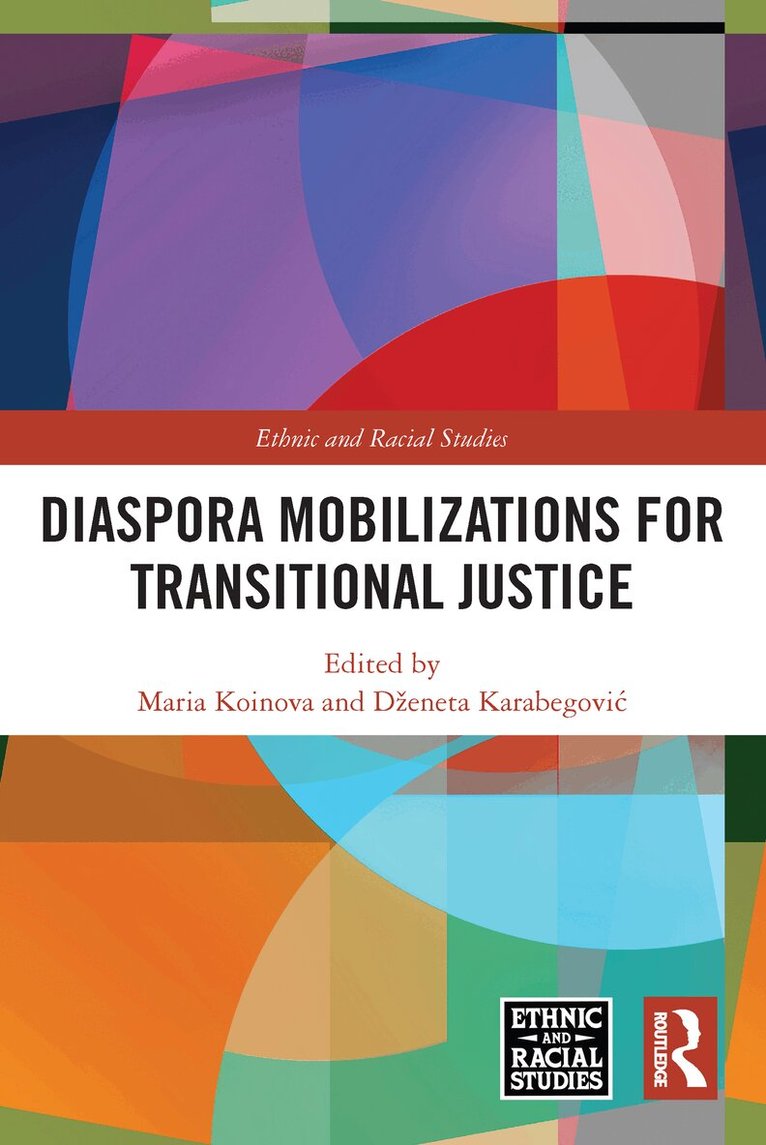
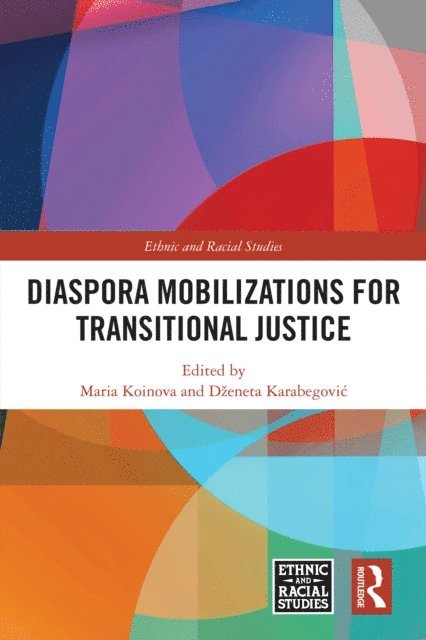
Diaspora Mobilizations for Transitional Justice
Av Maria Koinova, Dženeta Karabegović
Inbunden, 2020
2578 kr
Lägg i varukorg
Transitional justice and diaspora studies are interdisciplinary and expanding fields of study. Finding the right combination of mechanisms to forward transitional justice in post-conflict societies is an ongoing challenge for states and affected populations. Diasporas, as non-state actors with …
Diaspora Mobilizations for Transitional Justice
Av Maria Koinova, Dženeta Karabegović
Häftad, 2022
710 kr
Lägg i varukorg
Transitional justice and diaspora studies are interdisciplinary and expanding fields of study. Finding the right combination of mechanisms to forward transitional justice in post-conflict societies is an ongoing challenge for states and affected populations. Diasporas, as non-state actors with …
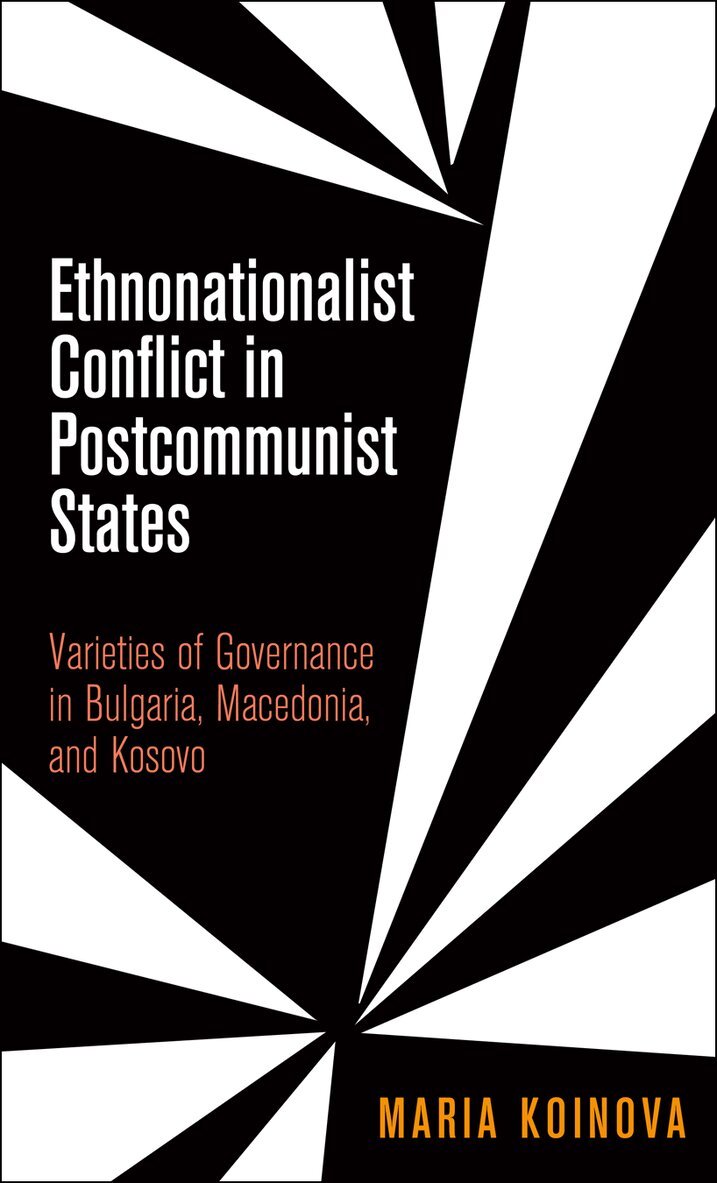
Ethnonationalist Conflict in Postcommunist States
Varieties of Governance in Bulgaria, Macedonia, and Kosovo
E-bok, 2013
1206 kr
Lägg i varukorg
Ethnonationalist Conflict in Postcommunist States investigates why some Eastern European states transitioned to new forms of governance with minimal violence while others broke into civil war. In Bulgaria, the Turkish minority was subjected to coerced assimilation and forced expulsion, but the …
Ethnonationalist Conflict in Postcommunist States
Varieties of Governance in Bulgaria, Macedonia, and Kosovo
Inbunden, 2013
1011 kr
Lägg i varukorg
Ethnonationalist Conflict in Postcommunist States investigates why some Eastern European states transitioned to new forms of governance with minimal violence while others broke into civil war. In Bulgaria, the Turkish minority was subjected to coerced assimilation and forced expulsion, but the …
Diaspora Mobilizations for Transitional Justice
Av Dzeneta Karabegovic, Maria Koinova
E-bok, 2020
749 kr
Lägg i varukorg
Transitional justice and diaspora studies are interdisciplinary and expanding fields of study. Finding the right combination of mechanisms to forward transitional justice in post-conflict societies is an ongoing challenge for states and affected populations. Diasporas, as non-state actors with …
Diaspora Mobilizations for Transitional Justice
Av Dzeneta Karabegovic, Maria Koinova
E-bok, 2020
749 kr
Lägg i varukorg
Transitional justice and diaspora studies are interdisciplinary and expanding fields of study. Finding the right combination of mechanisms to forward transitional justice in post-conflict societies is an ongoing challenge for states and affected populations. Diasporas, as non-state actors with …