María López-Fanjul y Díez del Corral – författare
Visar alla böcker från författaren María López-Fanjul y Díez del Corral. Handla med fri frakt och snabb leverans.
3 produkter
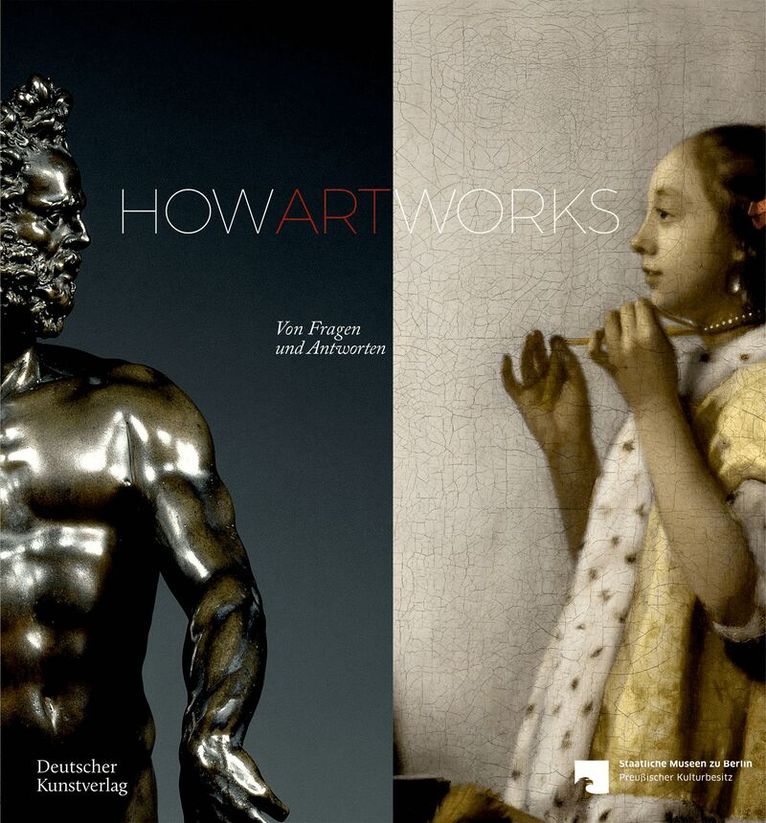
How Art Works
Von Fragen und Antworten
Av María López-Fanjul y Díez del Corral, Christine Seidel
Häftad, 2022
457 kr
Lägg i varukorg
Art develops its effect through contemplation. Even before we interpret it, we grasp it by means of inspired seeing, by "feeling our way," thus giving rise to an opinion. It precedes an interpretation of the content—and the interplay of form and content becomes the experience of art. Unlike classic …
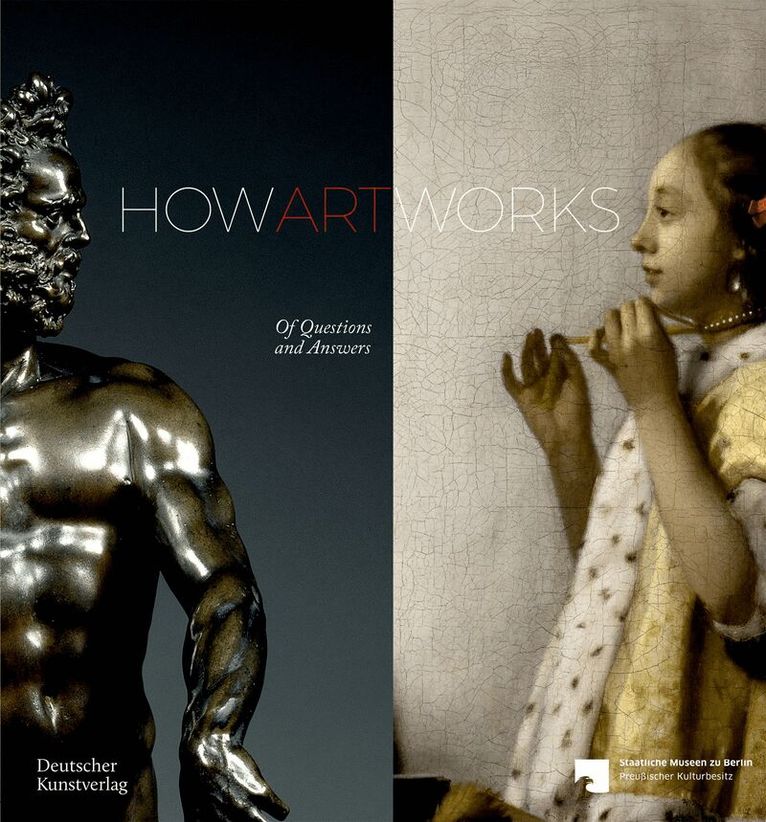
How Art Works
Of Questions and Answers
Av María López-Fanjul y Díez del Corral, Christine Seidel
Häftad, 2022
396 kr
Lägg i varukorg
Art develops its effect through contemplation. Even before we interpret it, we grasp it by means of inspired seeing, by "feeling our way," thus giving rise to an opinion. It precedes an interpretation of the content—and the interplay of form and content becomes the experience of art. Unlike classic …
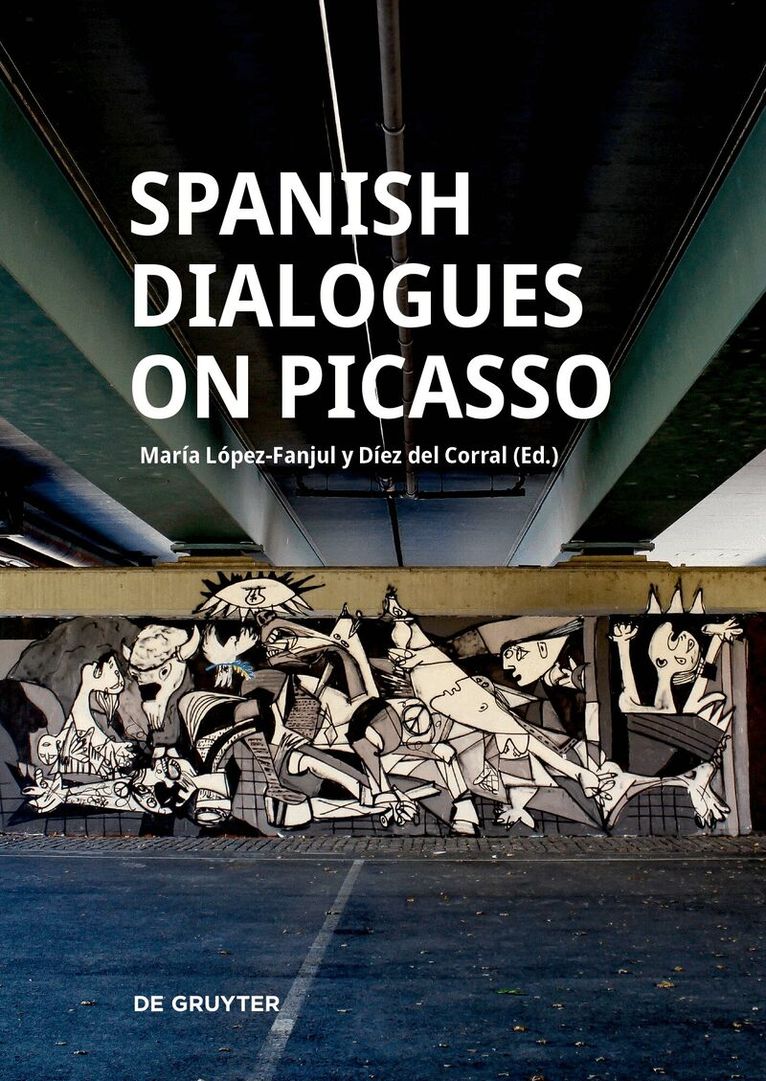
Spanish Dialogues on Picasso
Av María López-Fanjul y Díez del Corral
Häftad, 2026
779 kr
Kommande
This book offers a critical, multidisciplinary, and innovative approach to the work of Pablo Picasso (1881–1973). International museum and university scholars, experts on Spanish art and cultural history, discuss the continuities and breaches in Picasso's own artistic practice in relation to …