Mariam Mufti – författare
Visar alla böcker från författaren Mariam Mufti. Handla med fri frakt och snabb leverans.
6 produkter
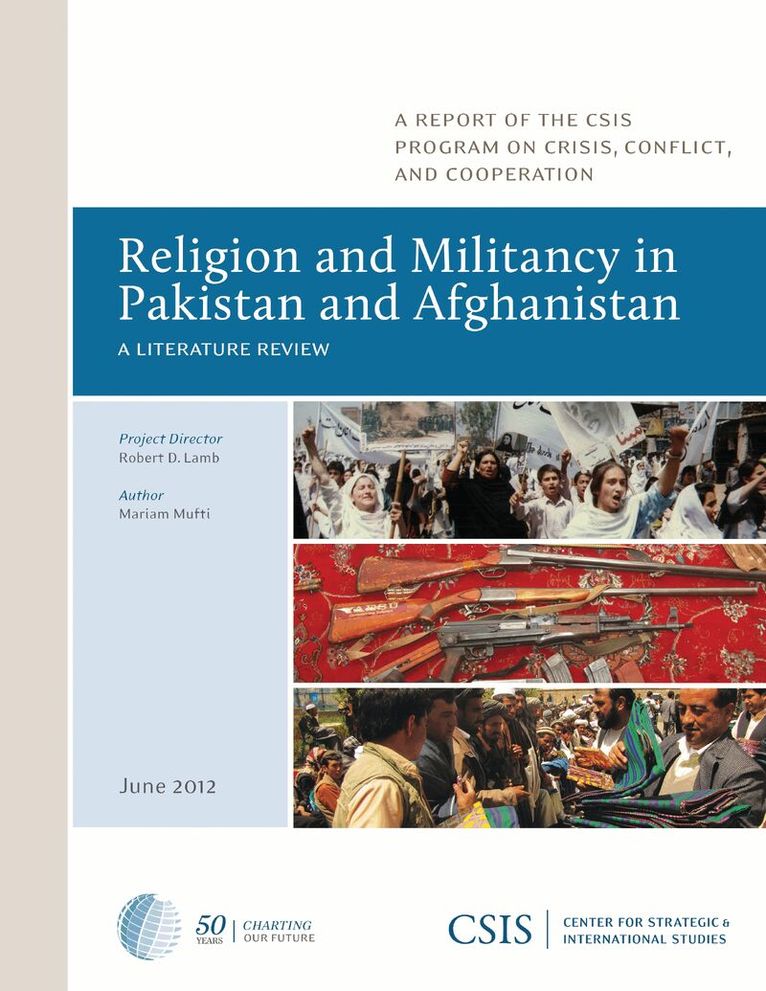
Religion and Militancy in Pakistan and Afghanistan
A Literature Review
Av Mariam Mufti
Häftad, 2012
784 kr
Lägg i varukorg
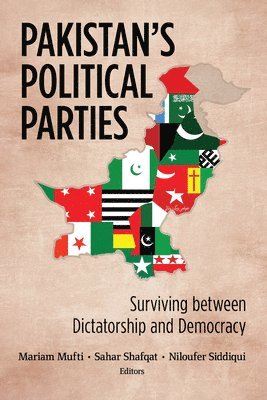
Pakistan's Political Parties
Surviving between Dictatorship and Democracy
Av Mariam Mufti, Sahar Shafqat m. fl.
Inbunden, 2020
1928 kr
Lägg i varukorg
Pakistan’s 2018 general elections marked the second successful transfer of power from one elected civilian government to another—a remarkable achievement considering the country’s history of dictatorial rule. Pakistan’s Political Parties examines how the civilian side of the state’s current regime …
Pakistan's Political Parties
Surviving between Dictatorship and Democracy
Av Mariam Mufti, Sahar Shafqat m. fl.
Häftad, 2020
667 kr
Lägg i varukorg
Pakistan’s 2018 general elections marked the second successful transfer of power from one elected civilian government to another—a remarkable achievement considering the country’s history of dictatorial rule. Pakistan’s Political Parties examines how the civilian side of the state’s current regime …
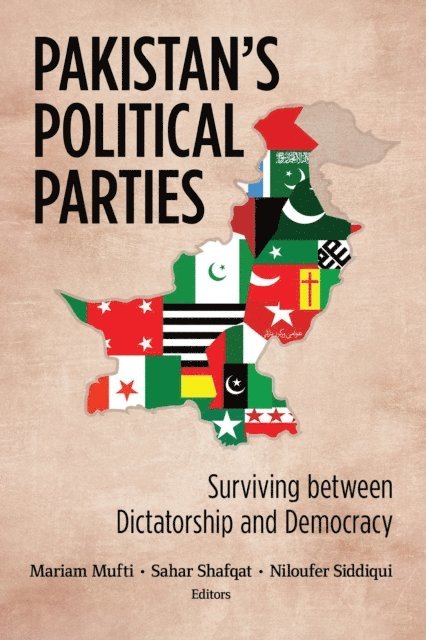
Pakistan's Political Parties
Surviving between Dictatorship and Democracy
Av Niloufer Siddiqui, Sahar Shafqat m. fl.
E-bok, 2020
638 kr
Lägg i varukorg
Pakistan’s 2018 general elections marked the second successful transfer of power from one elected civilian government to another—a remarkable achievement considering the country’s history of dictatorial rule. Pakistan’s Political Parties examines how the civilian side of the state’s current regime …
Pathways to Power
Recruitment and Regime Instability in Pakistan
Av Mariam Mufti
Inbunden, 2026
933 kr
Lägg i varukorg
This book examines the “persistent instability” in Pakistan’s regime addressing how we understand the shifts in the combination of authoritarian and democratic tendencies, and why is it that the regime does not go beyond the threshold of a transitioning democracy. In doing so, it emphasizes the …
Pathways to Power
Recruitment and Regime Instability in Pakistan
Av Mariam Mufti
E-bok, 2026
1214 kr
Lägg i varukorg
This book examines the “persistent instability” in Pakistan’s regime addressing how we understand the shifts in the combination of authoritarian and democratic tendencies, and why is it that the regime does not go beyond the threshold of a transitioning democracy. In doing so, it emphasizes the …