
Marianne Elliott – författare
Visar alla böcker från författaren . Handla med fri frakt och snabb leverans.
4 produkter
4 produkter
- Nyhet
Inbunden, Engelska, 2026
489 kr
Skickas inom 5-8 vardagar
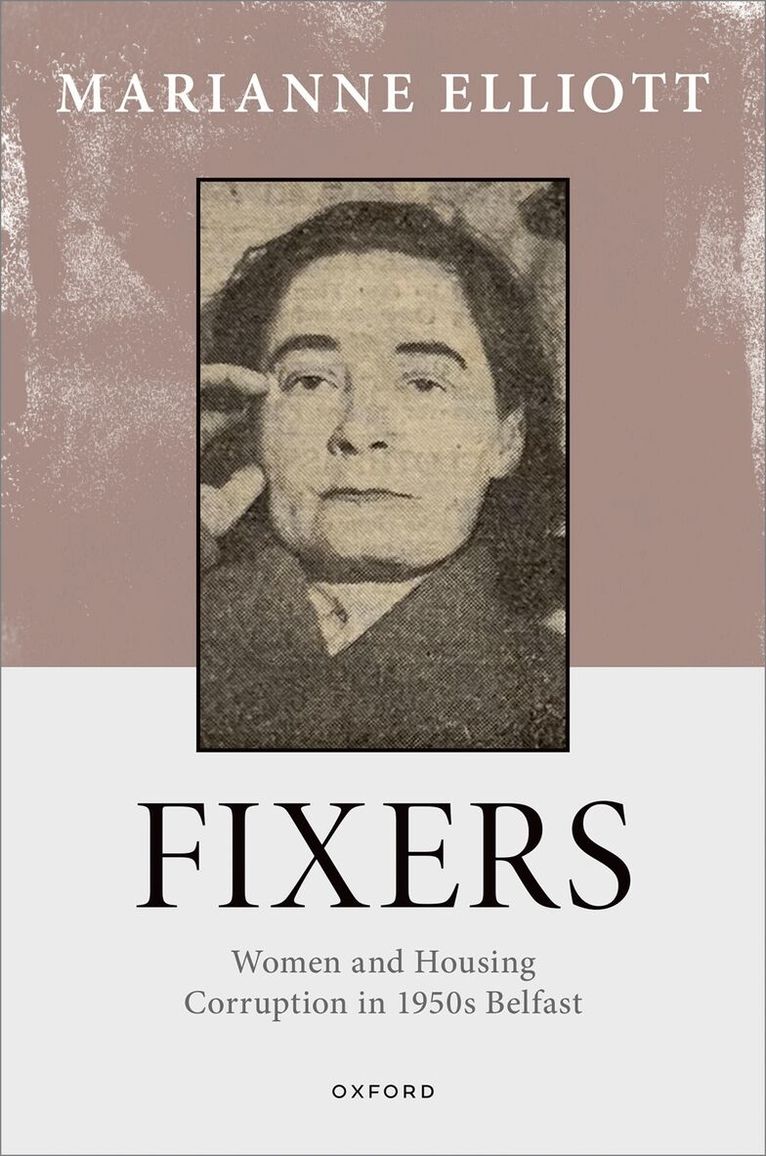
After the end of World War II, Belfast had the worst housing and highest infant mortality in the UK. Its local council (Belfast Corporation) was dominated by private developers and landlords, with a vested interest in deterring social housing. By 1953 Belfast was a city of overcrowded slums and rampant tuberculosis, thriving on overcrowding and 23,000 families were languishing on the Corporation housing waiting list.Amidst this blizzard of petty officialdom and lack of provision, a remarkable group of working-class women acted as 'fixers', helping the working poor to regulate their own lives. Chief among them was Annie Copeland, who became the go-to figure for housing advice in the city and was later the subject of a much-publicised corruption investigation.Through Copeland's life, and the lives of many 'fixers' like her, award-winning historian Marianne Elliott offers an engaging and revealing portrait of pre-Troubles Belfast. The book builds on the remarkable documentation of the 1953 housing corruption scandal, which exposed Copeland, a working-class Protestant woman in East Belfast, as taking bribes from largely Catholic people in West Belfast to help them secure scarce council housing. At its heart is a court drama, where a sympathetic judge and legal fraternity gave a platform to highly articulate working people to deflate the pomposity and prejudices of the political functionaries who held power over people's lives.The result is a timely book that sheds new light onto a wide range of themes, including the history of the National Health Service, gender, class, poverty, and bureaucracy in post-war Ireland.
Häftad, Engelska, 2002
368 kr
Skickas inom 3-6 vardagar
E-bok
Engelska, 2012133 kr
Läs direkt efter köp
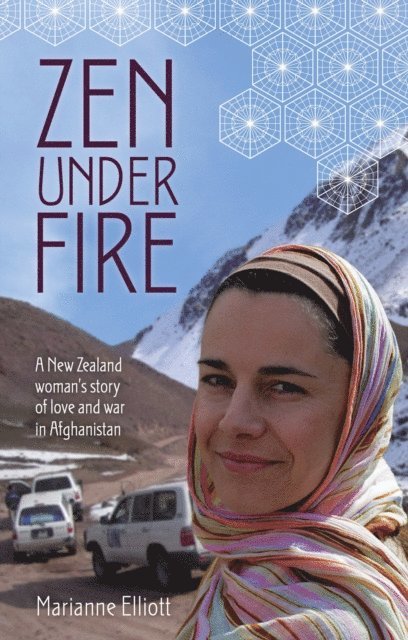
I am about to be left in charge of the office. I''m not sure I am ready for the responsibility, so I double-check with my boss. He reassures me. ''You''ll be fine, Marianne. As long as no one kills Amanullah Khan, you''ll be fine.'' By midday, Amanullah Khan is dead. In 2006 Marianne Elliott, a human rights lawyer from New Zealand, was stationed with the UN in Herat. Several months into her new role an important tribal leader is assassinated while she is in charge of the local UN office. She must try to defuse the situation before it leads to widespread bloodshed. And this is just the beginning of her story in Afghanistan. Zen Under Fire is a vivid account of Marianne''s experience living and working in the world''s most notorious battlefield. As well as sharing the incredible details of her UN role, Marianne tells the very personal story of the shattering effect that the high-stress environment had on her and her relationships, and asks what it really means to do good in a country that is under seige from within. This is an honest, moving and at times terrifying true story of a woman''s time peacekeeping in one of the most dangerous places on earth. Also available as an eBook
Häftad, Engelska, 2007
626 kr
Skickas inom 3-6 vardagar
The best-selling first edition of The Long Road to Peace in Northern Ireland (0853236771) included essays from Senator George J. Mitchell, Sir David Goodall, Sir George Quigley, Lord Owen and Niall O’Dowd among others, and demonstrated the evolution of peace in Ireland, culminating in the Good Friday Agreement. Now Marianne Elliott, one of the world’s leading historians of Ireland, has updated the book and commissioned new essays to ensure that this vital resource for students, scholars, politicians and the interested general reader continues to illuminate the peace process through the words of some of its pivotal figures. The essays all relate to the nature of peacemaking as a process rather than an event signalled by the signing of an agreement. The significant role of ‘third party’ diplomacy is touched on by many contributors, as is the need for pragmatism, compromise, and a recognition that it is those people at the polar extremes of any dispute that have to be drawn in if a lasting agreement is to be achieved.