Marianne O. Nielsen – författare
Visar alla böcker från författaren Marianne O. Nielsen. Handla med fri frakt och snabb leverans.
10 produkter
10 produkter
2 124 kr
Skickas inom 10-15 vardagar
The historical involvement of Native peoples within the criminal justice system is a narrative of tragedy and injustice, yet Native American experience in this system has not been well studied. Despite disproportionate representation of Native Americans in the criminal justice system, far more time has been spent studying other minority groups. Native Americans, Crime, and Justice is the first book in many years to provide students with a comprehensive overview of Native Americans and the unique challenges they face as justice is meted out, both in the United States and Canada. Crossing disciplines, this important anthology, which includes the voices of both Native Americans and non-Native Americans, provides students in criminology, sociology, and Native American studies courses with articles ranging from the scholarly to the more humanistic, Also included are a number of news accounts that complement the other pieces with a sense of immediacy and timeliness about the involvement of Native Americans in the criminal justice system. Students and general readers alike will come away from reading this collection with a better, more informed understanding of Native Americans, crime, and justice, whether they are learning about the unique problem of tribal versus federal jurisdiction on Indian lands, patterns of Native American crime, the process of decisionmaking in tribal courts, or Native American delinquency.
622 kr
Skickas inom 10-15 vardagar
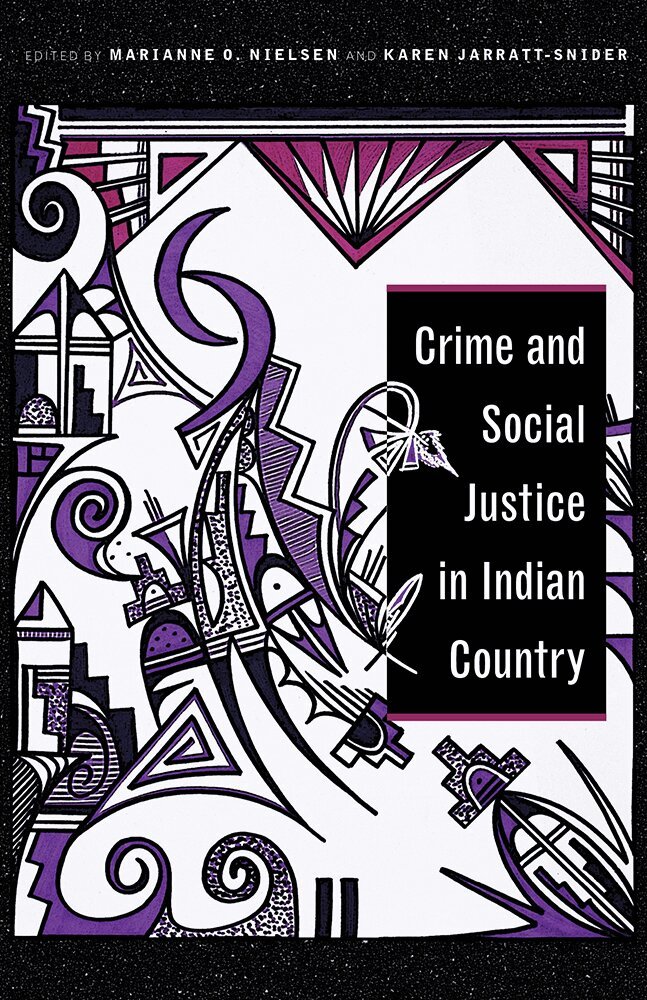
This book outlines indigenous institutions and thinking to show Native American responses to contemporary justice problems. It provides resource materials for practitioners in the criminal justice fields and in private agencies providing services to Native peoples.
559 kr
Skickas inom 3-6 vardagar
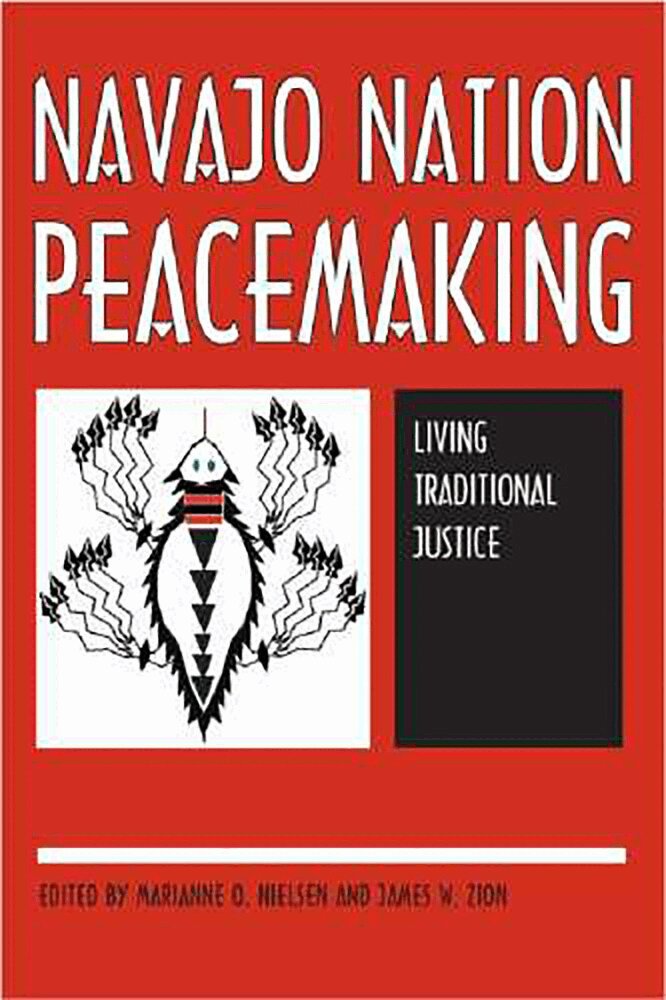
Navajo peacemaking is one of the most renowned restorative justice programs in the world. Neither mediation nor alternative dispute resolution, it has been called a ?horizontal system of justice? because all participants are treated as equals with the purpose of preserving ongoing relationships and restoring harmony among involved parties. In peacemaking there is no coercion, and there are no 'sides.? No one is labeled the offender or the victim, the plaintiff or the defendant. This is a book about peacemaking as it exists in the Navajo Nation today, describing its origins, history, context, and contributions with an eye toward sharing knowledge between Navajo and European-based criminal justice systems. It provides practitioners with information about important aspects of peacemaking'such as structure, procedures, and outcomes that will be useful for them as they work with the Navajo courts and the peacemakers. It also offers outsiders the first one-volume overview of this traditional form of justice. The collection comprises insights of individuals who have served within the Navajo Judicial Branch, voices that authoritatively reflect peacemaking from an insider's point of view.It also features an article by Justice Sandra Day O Connor and includes contributions from other scholars who, with the cooperation of the Navajo Nation, have worked to bring a comparative perspective to peacemaking research. In addition, some chapters describe the personal journey through which peacemaking takes the parties in a dispute, demonstrating that its purpose is not to fulfill some abstract notion of Justice but to restore harmony so that the participants are returned to good relations. Navajo Nation Peacemaking seeks to promote both peacemaking and Navajo common law development. By establishing the foundations of the Navajo way of natural justice and offering a vision for its future, it shows that there are many lessons offered by Navajo peacemaking for those who want to approach old problems in sensible new ways.
360 kr
Skickas inom 5-8 vardagar
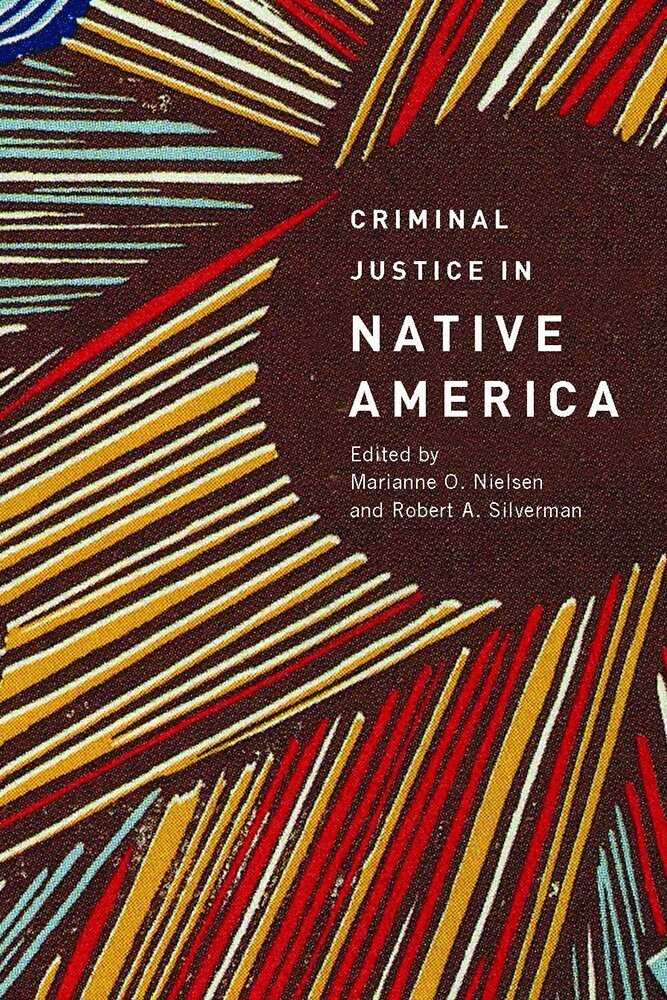
Native Americans are disproportionately represented as offenders in the U.S. criminal justice system, particularly in the southwestern and north-central regions. However, until recently there was little investigation into the reasons for their over-representation. Furthermore, there has been little acknowledgment of the positive contributions of Native Americans to the criminal justice system?in rehabilitating offenders, aiding victims, and supporting service providers. This book offers a valuable and contemporary overview of how the American criminal justice system impacts Native Americans on both sides of the law.Each of the fourteen chapters of Criminal Justice in Native America was commissioned specifically for this volume. Contributors many of whom are Native Americans?rank among the top scholars in their fields. Some of the chapters treat broad subjects, including crime, police, courts, victimization, corrections, and jurisdiction. Others delve into more specific topics, including hate crimes against Native Americans, state-corporate crimes against Native Americans, tribal peacemaking, and cultural stresses of police officers.Separate chapters are devoted to women and juveniles. The well-known scholar Marianne Nielsen provides a context-setting introduction, in which she addresses the history of the legal treatment of Native Americans in the United States as well as a provocative conclusion that details important issues for current and future research in Native American criminal justice studies. Intended to introduce students to the substantive concerns of a range of disciplines that contribute to Native American Studies, mong them, criminal justice and criminology, law, sociology, and anthropology Criminal Justice in Native America will interest all readers who are concerned about relationships between Native peoples and prevailing criminal justice systems.
348 kr
Skickas inom 5-8 vardagar
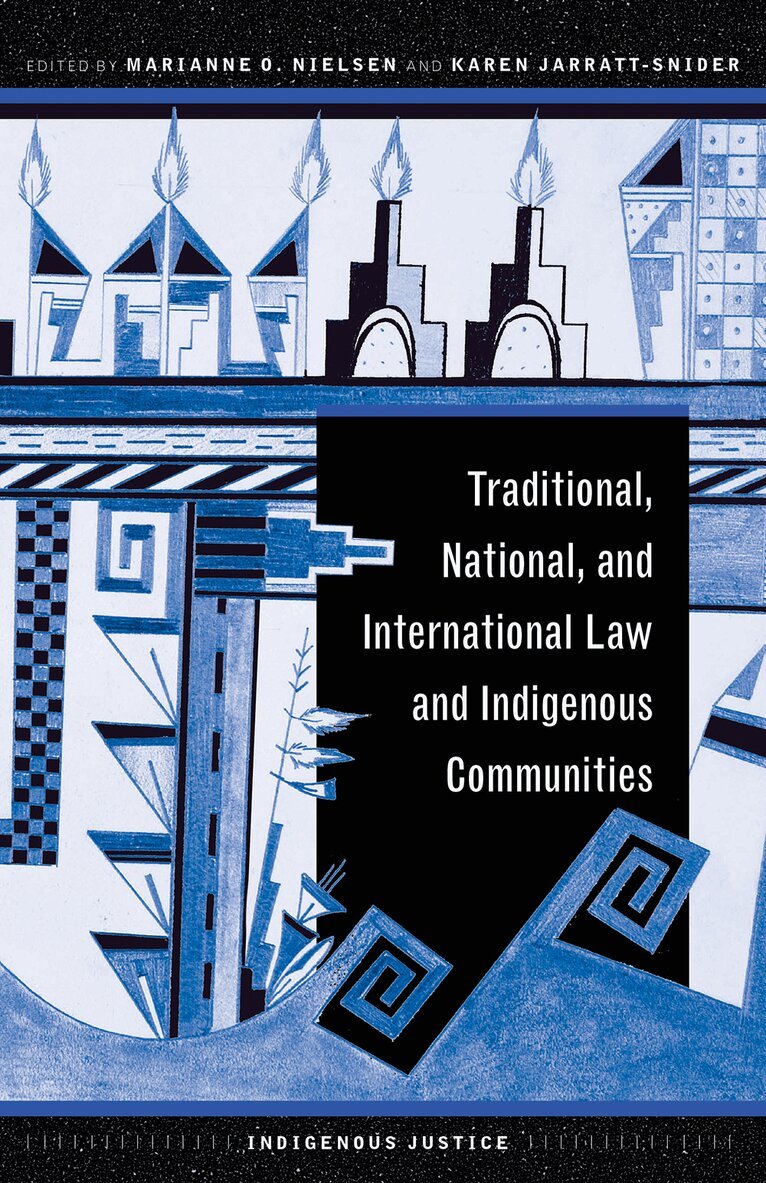
This volume of the Indigenous Justice series explores the global effects of marginalizing Indigenous law. The essays in this book argue that European-based law has been used to force Indigenous peoples to assimilate, has politically disenfranchised Indigenous communities, and has destroyed traditional Indigenous social institutions. European-based law not only has been used as a tool to infringe upon Indigenous human rights, it also has been used throughout global history to justify environmental injustices, treaty breaking, and massacres. The research in this volume focuses on the resurgence of traditional law, tribal - state relations in the United States, laws that have impacted Native American women, laws that have failed to protect Indigenous sacred sites, the effect of international conventions on domestic laws, and the role of community justice organizations in operationalizing international law.While all of these issues are rooted in colonization, Indigenous peoples are using their own solutions to demonstrate the resilience, persistence, and innovation of their communities. With chapters focusing on the use and misuse of law as it pertains to Indigenous peoples in North America, Latin America, Canada, Australia, and New Zealand, this book offers a wide scope of global injustice. Despite proof of oppressive legal practices concerning Indigenous peoples worldwide, this book also provides hope for amelioration of colonial consequences.
348 kr
Skickas inom 5-8 vardagar
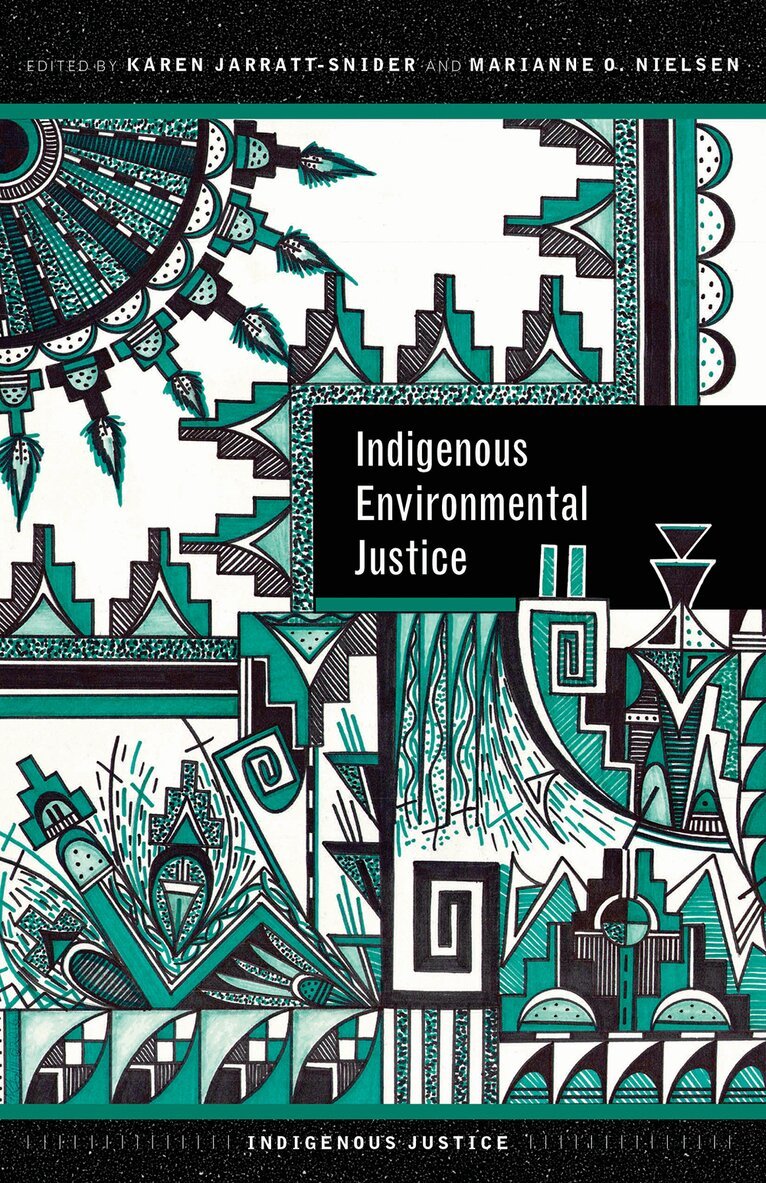
This volume clearly distinguishes Indigenous environmental justice (IEJ) from the broader idea of environmental justice (EJ) while offering detailed examples from recent history of environmental injustices that have occurred in Indian Country. With connections to traditional homelands being at the heart of Native identity, environmental justice is of heightened importance to Indigenous communities. Not only do irresponsible and exploitative environmental policies harm the physical and financial health of Indigenous communities, they also cause spiritual harm by destroying land held in a place of exceptional reverence for Indigenous peoples.With focused essays on important topics such as the uranium mining on Navajo and Hopi lands, the Dakota Access Pipeline dispute on the Standing Rock Indian Reservation, environmental cleanup efforts in Alaska, and many other pertinent examples, this volume offers a timely view of the environmental devastation that occurs in Indian Country. It also serves to emphasize the importance of self-determination and sovereignty in victories of Indigenous environmental justice.The book explores the ongoing effects of colonization and emphasizes Native American tribes as governments rather than ethnic minorities. Combining elements of legal issues, human rights issues, and sovereignty issues, Indigenous Environmental Justice creates a clear example of community resilience in the face of corporate greed and state indifference.
511 kr
Skickas inom 5-8 vardagar
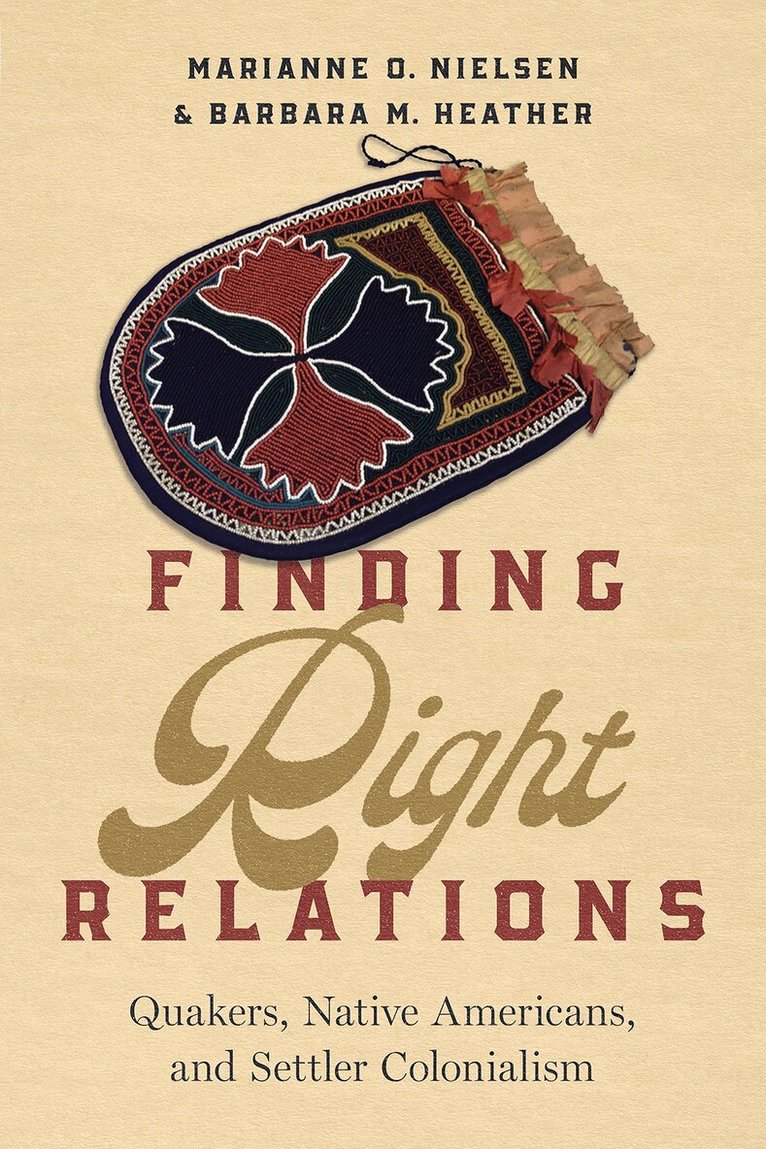
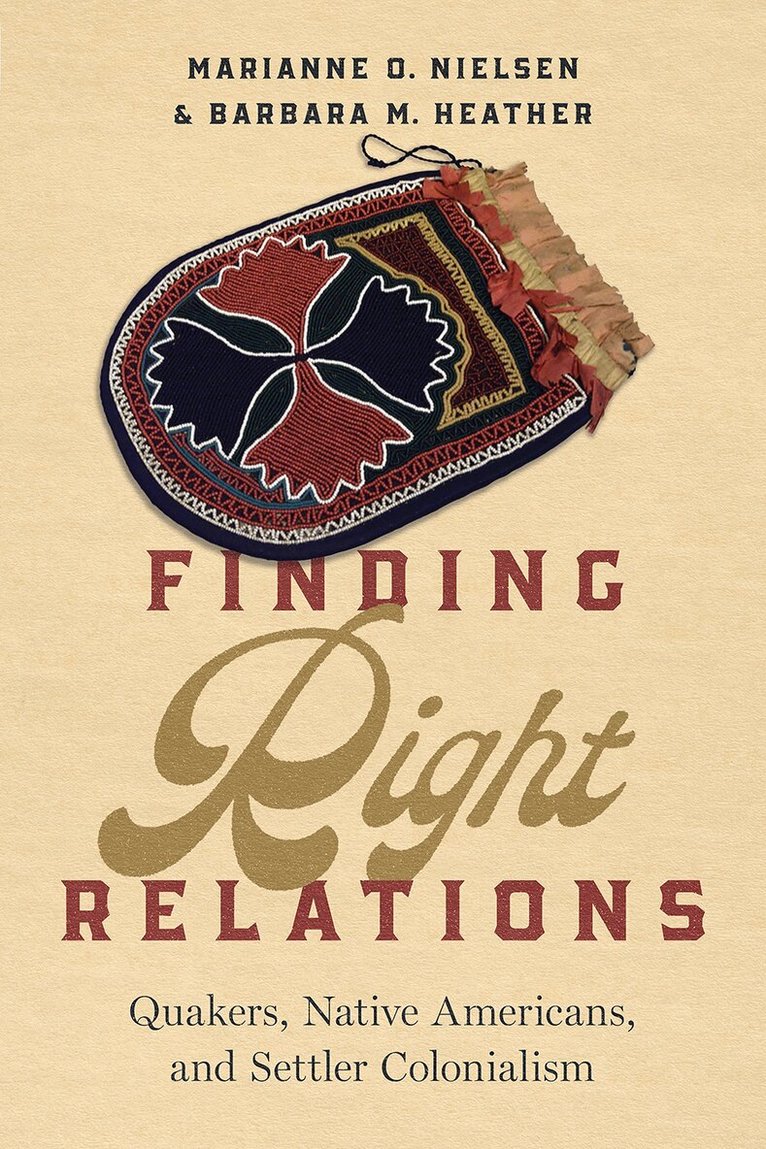
Quakers were one of the early settler colonist groups to invade northeastern North America. William Penn set out to develop a “Holy Experiment,” or utopian colony, in what is now Pennsylvania. Here, he thought, his settler colonists would live in harmony with the Indigenous Lenape and other settler colonists.Centering on the relationship between Quaker colonists and the Lenape people, Finding Right Relations explores the contradictory position of the Quakers as both egalitarian, pacifist people, and as settler colonists. This book explores major challenges to Quaker beliefs and resulting relations with American Indians from the mid-seventeenth century to the late nineteenth century. It shows how the Quakers not only failed to prevent settler colonial violence against American Indians but also perpetuated it. It provides historical examples such as the French and Indian War, the massacre of the Conestoga Indians, and the American Indian boarding schools to explore the power of colonialism to corrupt even those colonists with a belief system rooted in social justice.While this truth rubs against Quaker identity as pacifists and socially conscious, justice-minded people, the authors address how facing these truths provide ways forward for achieving restitution for the harms of the past. This book offers a path to truth-telling that is essential to the healing process.
336 kr
Skickas inom 5-8 vardagar
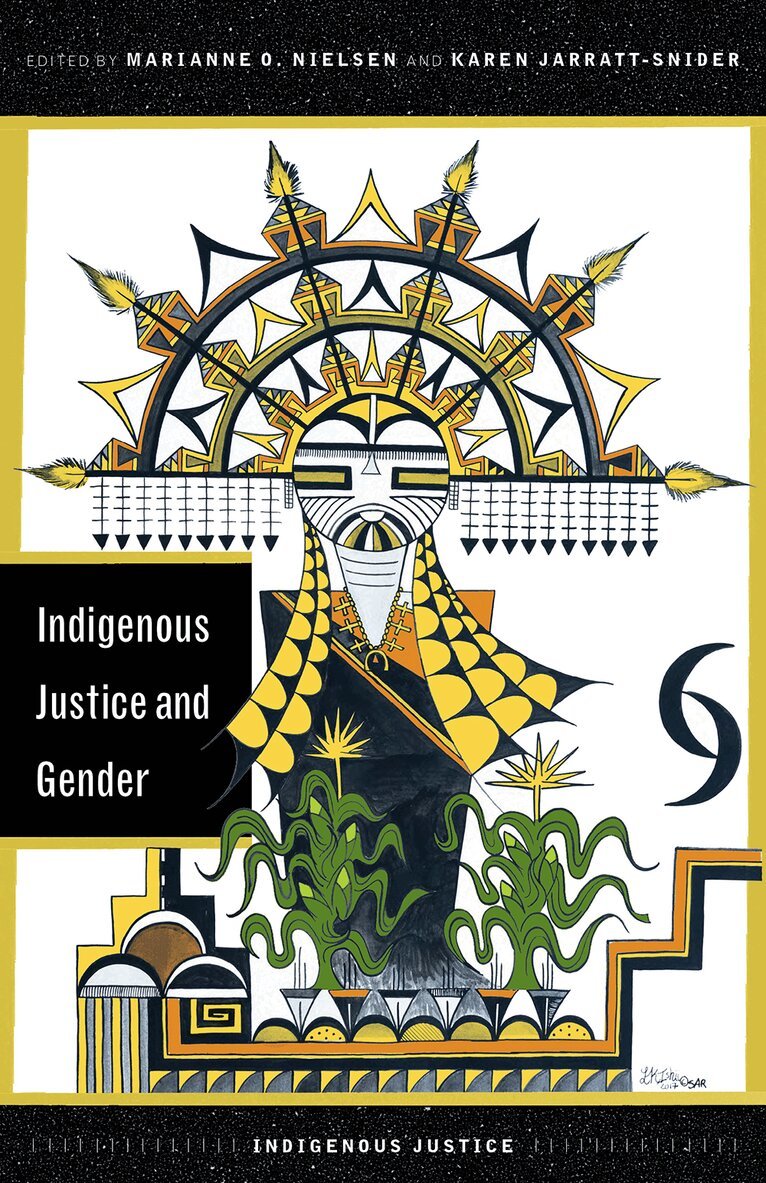
This new volume offers a broad overview of topics pertaining to gender-related health, violence, and healing. Employing a strength-based approach (as opposed to a deficit model), the chapters address the resiliency of Indigenous women and two-spirit people in the face of colonial violence and structural racism.The book centers the concept of “rematriation”—the concerted effort to place power, peace, and decision making back into the female space, land, body, and sovereignty—as a decolonial practice to combat injustice. Chapters include such topics as reproductive health, diabetes, missing and murdered Indigenous women, Indigenous women in the academy, and Indigenous women and food sovereignty.As part of the Indigenous Justice series, this book provides an overview of the topic, geared toward undergraduate and graduate classes.Contributors:Alisse Ali-JosephMichÈle CompanionBrooke de HeerLomayumtewa K. IshiiMary Jo Tippeconnic FoxKaren Jarratt-SniderLynn C. JonesAnne Luna-GordinierKelly McCueMarianne O. NielsenLinda M. RobynMelinda S. SmithJamie Wilson
259 kr
Skickas inom 5-8 vardagar
Quakers were one of the early settler colonist groups to invade northeastern North America. William Penn set out to develop a “Holy Experiment,” or utopian colony, in what is now Pennsylvania. Here, he thought, his settler colonists would live in harmony with the Indigenous Lenape and other settler colonists.Centering on the relationship between Quaker colonists and the Lenape people, Finding Right Relations explores the contradictory position of the Quakers as both egalitarian, pacifist people, and as settler colonists. This book explores major challenges to Quaker beliefs and resulting relations with American Indians from the mid-seventeenth century to the late nineteenth century. It shows how the Quakers not only failed to prevent settler colonial violence against American Indians but also perpetuated it. It provides historical examples such as the French and Indian War, the massacre of the Conestoga Indians, and the American Indian boarding schools to explore the power of colonialism to corrupt even those colonists with a belief system rooted in social justice.While this truth rubs against Quaker identity as pacifists and socially conscious, justice-minded people, the authors address how facing these truths provide ways forward for achieving restitution for the harms of the past. This book offers a path to truth telling that is essential to the healing process.
376 kr
Skickas inom 5-8 vardagar
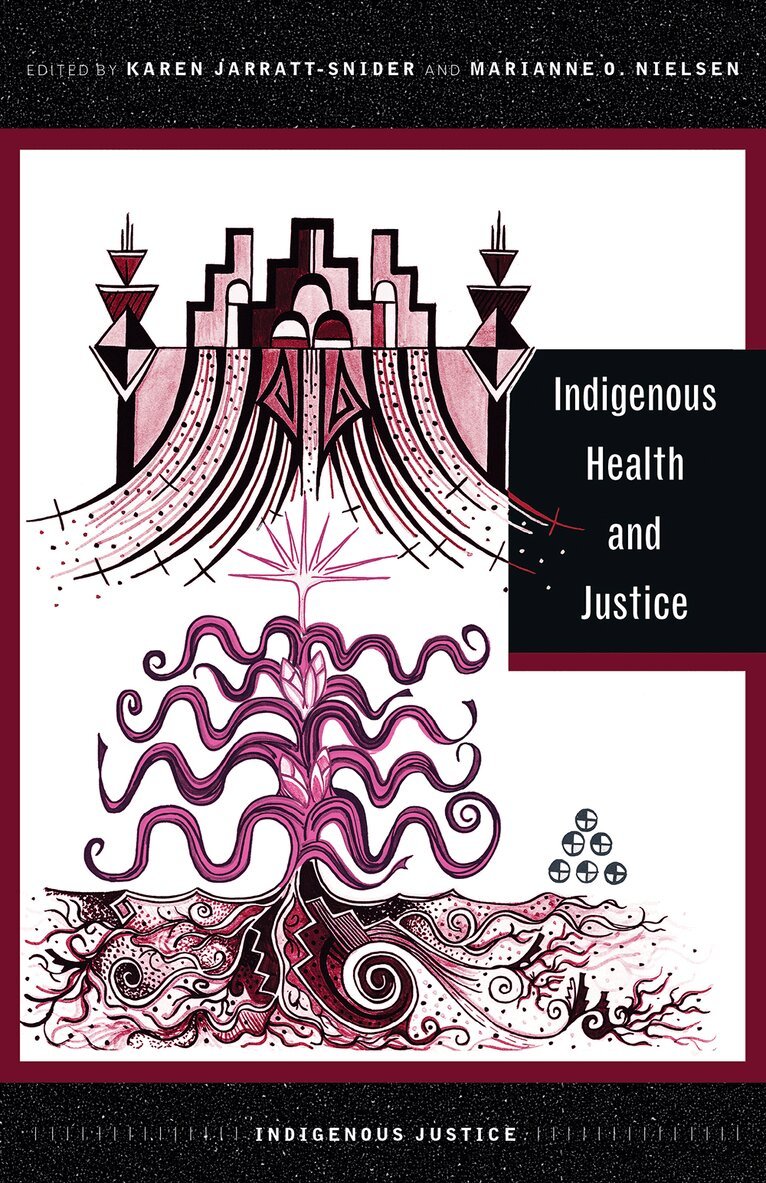
Colonial oppression, systemic racism, discrimination, and poor access to a wide range of resources detract from Indigenous health and contribute to continuing health inequities and injustices. These factors have led to structural inadequacies that contribute to circular challenges such as chronic underfunding, understaffing, and culturally insensitive health-care provision. Nevertheless, Indigenous Peoples are working actively to end such legacies.In Indigenous Health and Justice contributors demonstrate how Indigenous Peoples, individuals, and communities create their own solutions. Chapters focus on both the challenges created by the legacy of settler colonialism and the solutions, strengths, and resilience of Indigenous Peoples and communities in responding to these challenges. It introduces a range of examples, such as the ways in which communities use traditional knowledge and foodways to address health disparities.Indigenous Health and Justice is the fifth volume in the Indigenous Justice series. The series editors have focused on different aspects of the many kinds of justice that affect Indigenous Peoples. This volume is for students, scholars, activists, policymakers, and health-care professionals interested in health and well-being.