Marie-Claire Ponthoreau – författare
Visar alla böcker från författaren Marie-Claire Ponthoreau. Handla med fri frakt och snabb leverans.
9 produkter
9 produkter
Inbunden, Engelska, 2025
1 885 kr
Skickas inom 5-8 vardagar
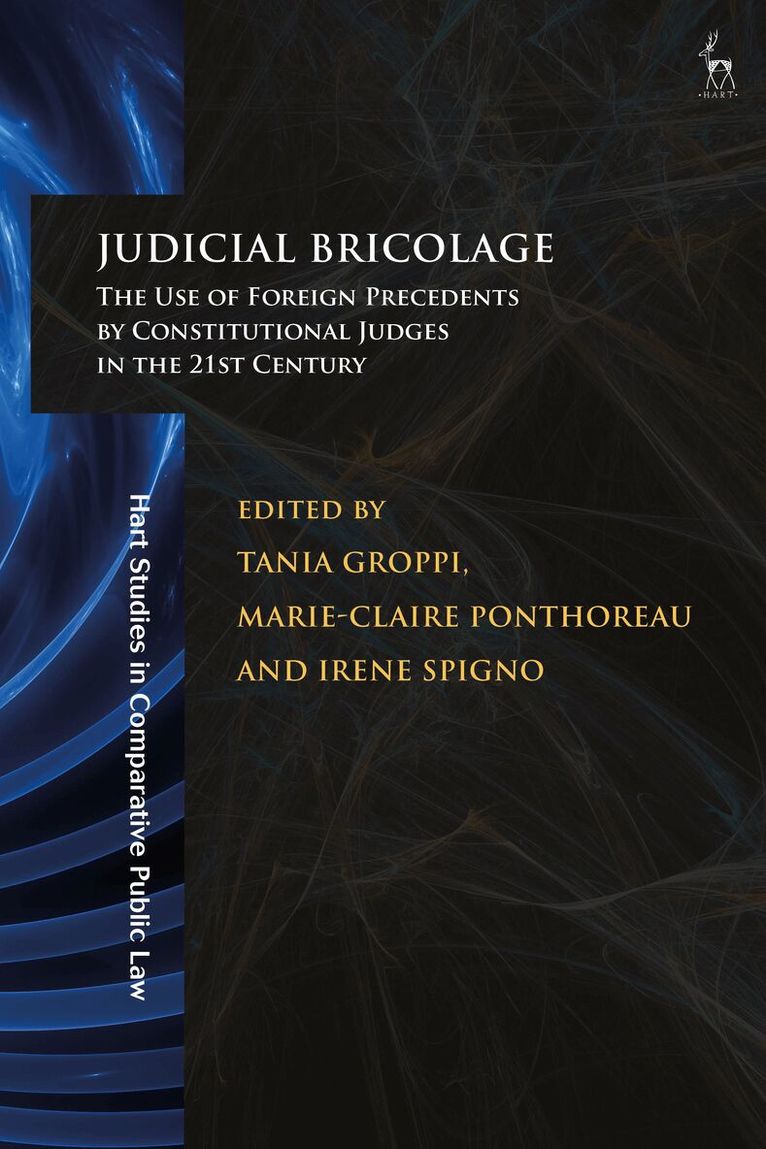
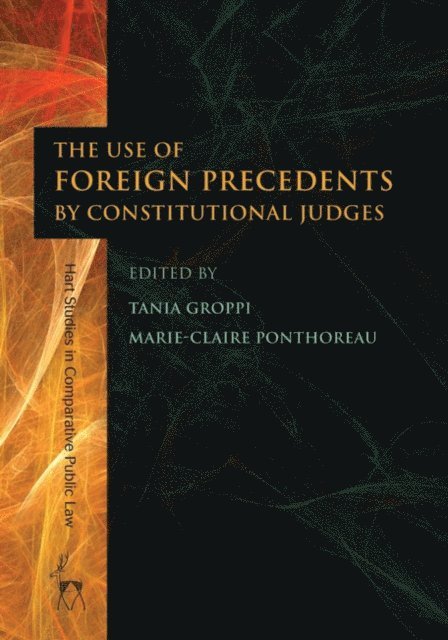
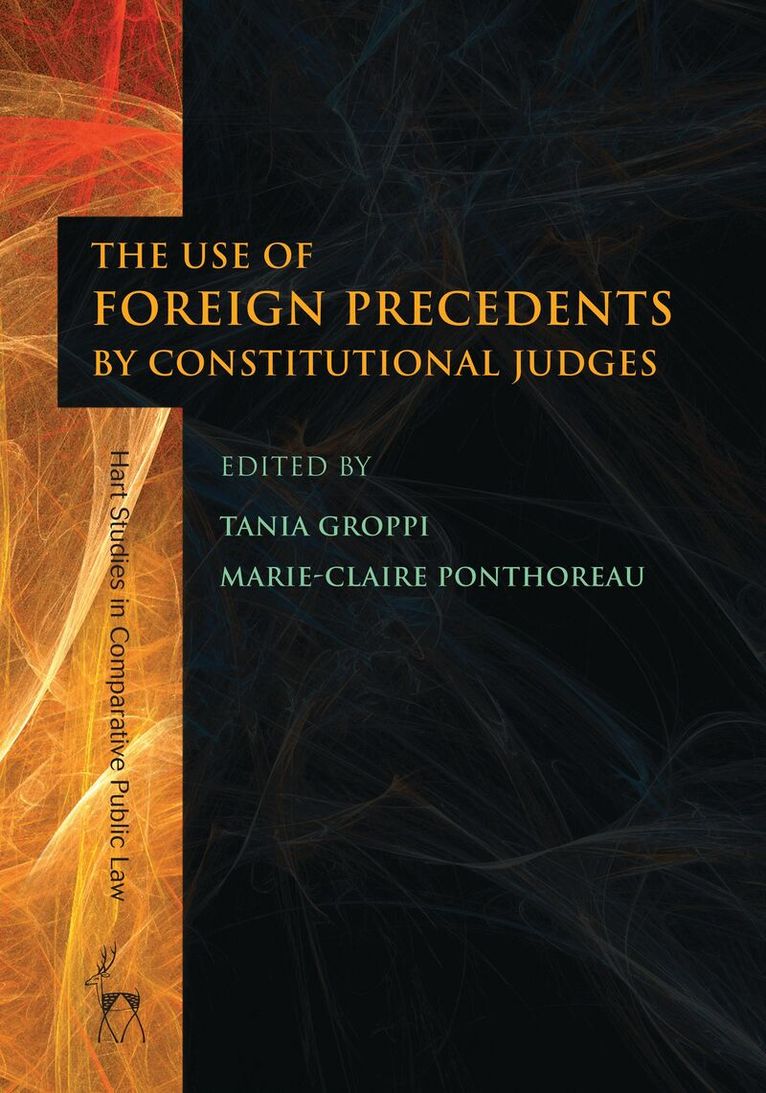
WINNER of Book of the Year Prize by the International Forum on the Future of Constitutionalism.This book represents a unique contribution to comparative legal studies by presenting the results of an empirical research project on the use of foreign precedents in constitutional interpretation in 31 jurisdictions worldwide.It expands and updates the outcomes presented in the previous successful book The Use of Foreign Precedents by Constitutional Judges, edited by Tania Groppi and Marie-Claire Ponthoreau and published in 2013 as Volume 1 of the series Hart Studies in Comparative Public Law.This new research, covering countries from all the continents, with special attention to some of the emerging jurisdictions of the Global South, confirms that the practice of making explicit use of foreign precedents is still limited both quantitatively and qualitatively. Judicial dialogue only exists in common law jurisdictions and, even there, ‘judicial bricolage’ is much more common than ‘judicial comparativism’. Since the previous edition, this practice has gone hand in hand with new developments in constitutional law, such as the democratic erosion and backsliding, the emergence of populist movements, the increasing role of regional human rights courts, which in many cases overshadowed foreign sources, and the end of a global vision of constitutionalism.Applying a quantitative and a qualitative analysis, with the support of tables and data, the book gives a more complete picture of the practice of citing foreign precedents in this new and challenging era, resulting in essential reading for comparative and constitutional legal scholars.
E-bok
Engelska, 20251 008 kr
Läs direkt efter köp
This book represents a unique contribution to comparative legal studies by presenting the results of an empirical research project on the use of foreign precedents in constitutional interpretation in 31 jurisdictions worldwide.It expands and updates the outcomes presented in the previous successful book The Use of Foreign Precedents by Constitutional Judges, edited by Tania Groppi and Marie-Claire Ponthoreau and published in 2013 as Volume 1 of the series Hart Studies in Comparative Public Law.This new research, covering countries from all the continents, with special attention to some of the emerging jurisdictions of the Global South, confirms that the practice of making explicit use of foreign precedents is still limited both quantitatively and qualitatively. Judicial dialogue only exists in common law jurisdictions and, even there, ''judicial bricolage'' is much more common than ''judicial comparativism''. Since the previous edition, this practice has gone hand in hand with new developments in constitutional law, such as the democratic erosion and backsliding, the emergence of populist movements, the increasing role of regional human rights courts, which in many cases overshadowed foreign sources, and the end of a global vision of constitutionalism.Applying a quantitative and a qualitative analysis, with the support of tables and data, the book gives a more complete picture of the practice of citing foreign precedents in this new and challenging era, resulting in essential reading for comparative and constitutional legal scholars.
E-bok
PDF, Engelska, 20251 008 kr
Läs direkt efter köp
This book represents a unique contribution to comparative legal studies by presenting the results of an empirical research project on the use of foreign precedents in constitutional interpretation in 31 jurisdictions worldwide.It expands and updates the outcomes presented in the previous successful book The Use of Foreign Precedents by Constitutional Judges, edited by Tania Groppi and Marie-Claire Ponthoreau and published in 2013 as Volume 1 of the series Hart Studies in Comparative Public Law.This new research, covering countries from all the continents, with special attention to some of the emerging jurisdictions of the Global South, confirms that the practice of making explicit use of foreign precedents is still limited both quantitatively and qualitatively. Judicial dialogue only exists in common law jurisdictions and, even there, ''judicial bricolage'' is much more common than ''judicial comparativism''. Since the previous edition, this practice has gone hand in hand with new developments in constitutional law, such as the democratic erosion and backsliding, the emergence of populist movements, the increasing role of regional human rights courts, which in many cases overshadowed foreign sources, and the end of a global vision of constitutionalism.Applying a quantitative and a qualitative analysis, with the support of tables and data, the book gives a more complete picture of the practice of citing foreign precedents in this new and challenging era, resulting in essential reading for comparative and constitutional legal scholars.
Häftad, Engelska, 2026
959 kr
Skickas inom 10-15 vardagar
WINNER of Book of the Year Prize by the International Forum on the Future of Constitutionalism.This book represents a unique contribution to comparative legal studies by presenting the results of an empirical research project on the use of foreign precedents in constitutional interpretation in 31 jurisdictions worldwide.It expands and updates the outcomes presented in the previous successful book The Use of Foreign Precedents by Constitutional Judges, edited by Tania Groppi and Marie-Claire Ponthoreau and published in 2013 as Volume 1 of the series Hart Studies in Comparative Public Law.This new research, covering countries from all the continents, with special attention to some of the emerging jurisdictions of the Global South, confirms that the practice of making explicit use of foreign precedents is still limited both quantitatively and qualitatively. Judicial dialogue only exists in common law jurisdictions and, even there, ‘judicial bricolage’ is much more common than ‘judicial comparativism’. Since the previous edition, this practice has gone hand in hand with new developments in constitutional law, such as the democratic erosion and backsliding, the emergence of populist movements, the increasing role of regional human rights courts, which in many cases overshadowed foreign sources, and the end of a global vision of constitutionalism.Applying a quantitative and a qualitative analysis, with the support of tables and data, the book gives a more complete picture of the practice of citing foreign precedents in this new and challenging era, resulting in essential reading for comparative and constitutional legal scholars.
E-bok
PDF, Engelska, 20131 343 kr
Läs direkt efter köp
In 2007 the International Association of Constitutional Law established an Interest Group on ''The Use of Foreign Precedents by Constitutional Judges'' to conduct a survey of the use of foreign precedents by Supreme and Constitutional Courts in deciding constitutional cases. Its purpose was to determine - through empirical analysis employing both quantitative and qualitative indicators - the extent to which foreign case law is cited. The survey aimed to test the reliability of studies describing and reporting instances of transjudicial communication between Courts. The research also provides useful insights into the extent to which a progressive constitutional convergence may be taking place between common law and civil law traditions. The present work includes studies by scholars from African, American, Asian, European, Latin American and Oceania countries, representing jurisdictions belonging to both common law and civil law traditions, and countries employing both centralised and decentralised systems of judicial review. The results, published here for the first time, give us the best evidence yet of the existence and limits of a transnational constitutional communication between courts.
E-bok
Engelska, 20131 343 kr
Läs direkt efter köp
In 2007 the International Association of Constitutional Law established an Interest Group on ''The Use of Foreign Precedents by Constitutional Judges'' to conduct a survey of the use of foreign precedents by Supreme and Constitutional Courts in deciding constitutional cases. Its purpose was to determine - through empirical analysis employing both quantitative and qualitative indicators - the extent to which foreign case law is cited. The survey aimed to test the reliability of studies describing and reporting instances of transjudicial communication between Courts. The research also provides useful insights into the extent to which a progressive constitutional convergence may be taking place between common law and civil law traditions. The present work includes studies by scholars from African, American, Asian, European, Latin American and Oceania countries, representing jurisdictions belonging to both common law and civil law traditions, and countries employing both centralised and decentralised systems of judicial review. The results, published here for the first time, give us the best evidence yet of the existence and limits of a transnational constitutional communication between courts.
Inbunden, Engelska, 2013
1 281 kr
Skickas inom 10-15 vardagar
In 2007 the International Association of Constitutional Law established an Interest Group on 'The Use of Foreign Precedents by Constitutional Judges' to conduct a survey of the use of foreign precedents by Supreme and Constitutional Courts in deciding constitutional cases. Its purpose was to determine - through empirical analysis employing both quantitative and qualitative indicators - the extent to which foreign case law is cited. The survey aimed to test the reliability of studies describing and reporting instances of transjudicial communication between Courts. The research also provides useful insights into the extent to which a progressive constitutional convergence may be taking place between common law and civil law traditions. The present work includes studies by scholars from African, American, Asian, European, Latin American and Oceania countries, representing jurisdictions belonging to both common law and civil law traditions, and countries employing both centralised and decentralised systems of judicial review. The results, published here for the first time, give us the best evidence yet of the existence and limits of a transnational constitutional communication between courts.
Häftad, Engelska, 2014
523 kr
Skickas
In 2007 the International Association of Constitutional Law established an Interest Group on 'The Use of Foreign Precedents by Constitutional Judges' to conduct a survey of the use of foreign precedents by Supreme and Constitutional Courts in deciding constitutional cases. Its purpose was to determine - through empirical analysis employing both quantitative and qualitative indicators - the extent to which foreign case law is cited. The survey aimed to test the reliability of studies describing and reporting instances of transjudicial communication between Courts. The research also provides useful insights into the extent to which a progressive constitutional convergence may be taking place between common law and civil law traditions. The present work includes studies by scholars from African, American, Asian, European, Latin American and Oceania countries, representing jurisdictions belonging to both common law and civil law traditions, and countries employing both centralised and decentralised systems of judicial review. The results, published here for the first time, give us the best evidence yet of the existence and limits of a transnational constitutional communication between courts.The collected data for each jurisdiction makes for engaging reading. It reveals details of the extent of visible (and sometimes implied) comparative activity that each of the courts displays in its jurisprudence ... we now have a clearer picture of how some of the most prominent constitutional courts deal (or desist from dealing) with comparable judgments in other countries.François Venter, International Journal of Constitutional Law, Vol. 12, no 1, January 2014The volume ... represents a refreshing approach to complex questions raised in debates about constitutional borrowing, transjudicial communication, or the migration of constitutional ideas ... The Use of Foreign Precedents by Constitutional Judges will be essential reading for scholars seeking to refresh the debates about using foreign law.Hélène Tyrrell, Public Law, April 2014
E-bok
PDF, Spanska, 2021121 kr
Läs direkt efter köp
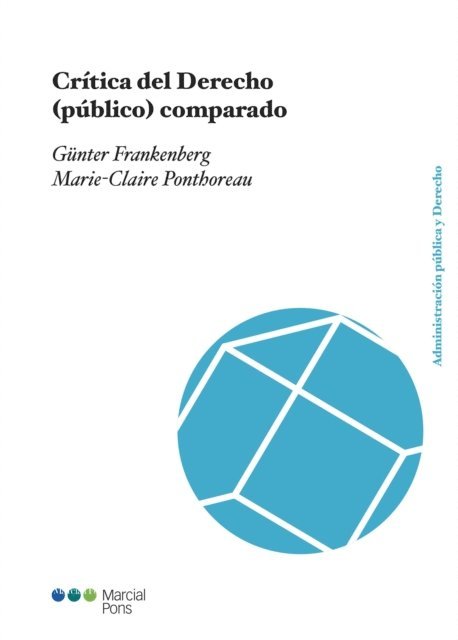
El uso del Derecho extranjero y la comparación jurídica son fenómenos cada vez con mayor relevancia, lo cual requiere cuestionarse: ¿Cómo se define el parámetro para delimitar qué es lo igual y lo diferente al momento de comparar? ¿Cuáles son los supuestos subyacentes a estos ejercicios? ¿Qué es lo que realmente se hace cuando se elaboran estudios jurídicos comparados? ¿Se pretende mostrar innovación, bagaje cultural y conocimientos jurídicos más allá de la frontera nacional? O bien, ¿hay, en la práctica, una introducción silenciosa, pero no azarosa, de dispositivos jerarquizadores de dominio e influencia con fines de uniformidad y estandarización que se disfrazan bajo la apariencia supuestamente neutral de legislaciones, reglas, decisiones, doctrinas e instituciones jurídicas?Ante organizaciones internacionales como el Fondo Monetario Internacional, el Banco Mundial o la OCDE, que aconsejan o incluso exigen adoptar ciertas modificaciones constitucionales o legales según supuestos patrones comunes de «países de referencia», ¿qué razones llevan a dichas organizaciones a promover unos modelos y no otros? ¿Hay acaso en dicho ejercicio de armonización, estandarización y emulación implicaciones políticas y éticas no explícitamente evidenciadas?Algunas respuestas a esas preguntas se encontrarán en la presente obra, que trae a la lengua española trabajos de dos comparatistas de referencia internacional: Günter Frankenberg y Marie-Claire Ponthoreau. Se compiló y tradujo, de cada autor, un estudio en el cual se explicitan sus marcos teóricos; y luego, otro sobre tópicos actuales del comparatismo jurídico en los que ello se materializa.