Marie-Francoise Chesselet – författare
Visar alla böcker från författaren Marie-Francoise Chesselet. Handla med fri frakt och snabb leverans.
4 produkter
4 produkter
E-bok
Engelska, 20222 176 kr
Läs direkt efter köp
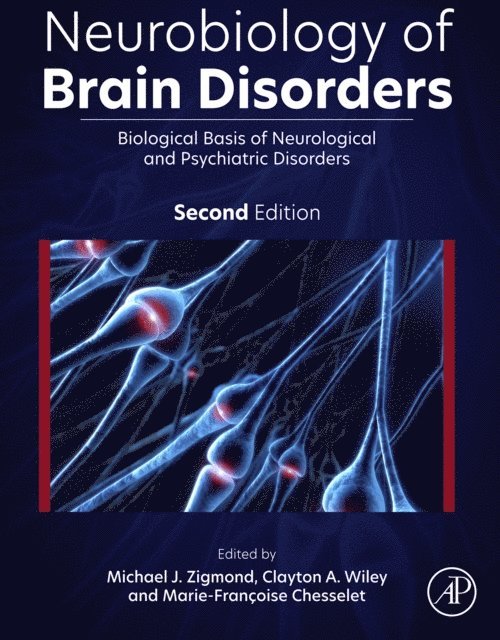
Neurobiology of Brain Disorders: Biological Basis of Neurological and Psychiatric Disorders, Second Edition provides basic scientists a comprehensive overview of neurological and neuropsychiatric disease. This book links basic, translational, and clinical research, covering the genetic, developmental, molecular and cellular mechanisms underlying all major categories of brain disorders. It offers students, postdoctoral fellows, and researchers in diverse fields of neuroscience, neurobiology, neurology, and psychiatry the tools they need to obtain a basic background in the major neurological and psychiatric diseases. Topics include developmental, autoimmune, central, and peripheral neurodegeneration, infectious diseases, and diseases of higher function.Organized by individual disorder, each chapter includes coverage of the clinical condition, diagnosis, treatment, underlying mechanisms, relevant basic and translational research, and key unanswered questions. This volume reflects progress in the field since publication of the first edition, with fully updated chapters, and new chapters on isolation, aging, global diseases, vascular diseases, and toxic/metabolic disease. New disorder coverage includes fibromyalgia, chronic fatigue, Restless Legs Syndrome, myasthenia gravis, and more.- Links basic, translational and clinical research on disorders of the nervous system- Covers a vast array of neurological and psychiatric disorders, including Down syndrome, autism, muscular dystrophy, diabetes, TBI, Parkinson''s, Huntington''s, Alzheimer''s, OCD, PTSD, schizophrenia, depression and pain- Features new chapters on the effects of aging and isolation on brain health- Expands coverage on disorders, including new chapters on fibromyalgia, chronic fatigue, and restless legs syndrome- Features in-text summary points, special feature boxes and research questions
Inbunden, Engelska, 2000
2 572 kr
Skickas inom 10-15 vardagar
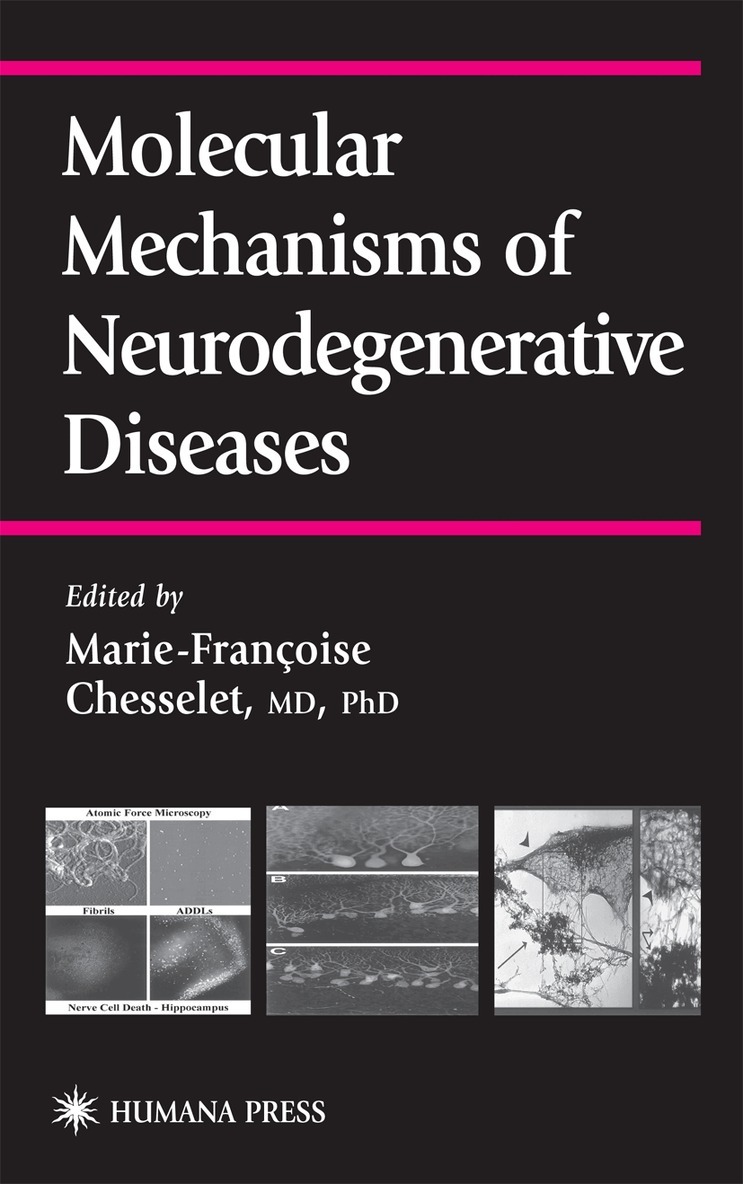
The field ofneurodegenerative diseases is undergoing an unprecedented revolution. The past decade has seen the identification of new mutation mecha- nisms, such as triplet repeat expansions, and new genes causing familial forms of common neurodegenerative diseases, such as Parkinson's and Alzheimer's diseases. Cellular and animal models based on this genetic information are now available and, importantly, common mechanisms are rapidly emerging among diseases that were once considered unrelated. The field is poised for the development of new therapies based on high throughput screenings and a bet- ter understanding of the molecular and cellular mechanisms leading to neurodegeneration. Molecular Mechanisms of Neurodegenerative Diseases reviews recent progress in this exploding field. By nature, such a book cannot be all inclu- sive. It focuses on Alzheimer's, Parkinson's, and CAG triplet repeat diseases. In the first chapter, Bill Klein reviews the role of A~ toxicity in the patho- physiology of Alzheimer's disease. This controversial issue is further exam- ined in the context of transgenic models of Alzheimer's disease by LaFerla and colleagues.Sue Griffin and Robert Mrak, and Caleb Finch and collabora- tors, then examine the role of glial cells and inflammation in Alzheimer's disease; a review of the role of proteolysis in the generation of abnormal pro- tein fragments by Hook and Mende-Mueller follows. Therapeutic opportuni- ties offered by a better understanding of Alzheimer's disease pathophysiology are examined by Perry Molinoff and his colleagues at Bristol-Myers Squibb.
E-bok
PDF, Engelska, 20003 046 kr
Läs direkt efter köp
Häftad, Engelska, 2010
2 498 kr
Skickas inom 10-15 vardagar
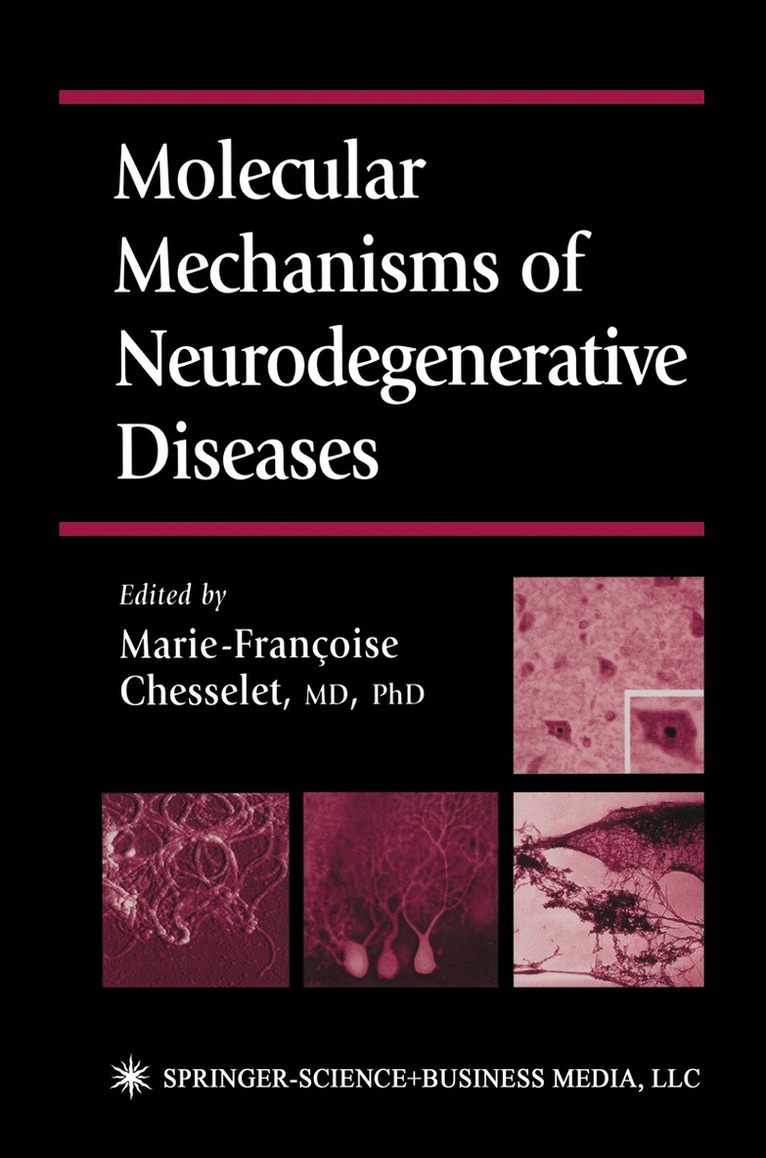
The field ofneurodegenerative diseases is undergoing an unprecedented revolution. The past decade has seen the identification of new mutation mecha- nisms, such as triplet repeat expansions, and new genes causing familial forms of common neurodegenerative diseases, such as Parkinson's and Alzheimer's diseases. Cellular and animal models based on this genetic information are now available and, importantly, common mechanisms are rapidly emerging among diseases that were once considered unrelated. The field is poised for the development of new therapies based on high throughput screenings and a bet- ter understanding of the molecular and cellular mechanisms leading to neurodegeneration. Molecular Mechanisms of Neurodegenerative Diseases reviews recent progress in this exploding field. By nature, such a book cannot be all inclu- sive. It focuses on Alzheimer's, Parkinson's, and CAG triplet repeat diseases. In the first chapter, Bill Klein reviews the role of A~ toxicity in the patho- physiology of Alzheimer's disease. This controversial issue is further exam- ined in the context of transgenic models of Alzheimer's disease by LaFerla and colleagues.Sue Griffin and Robert Mrak, and Caleb Finch and collabora- tors, then examine the role of glial cells and inflammation in Alzheimer's disease; a review of the role of proteolysis in the generation of abnormal pro- tein fragments by Hook and Mende-Mueller follows. Therapeutic opportuni- ties offered by a better understanding of Alzheimer's disease pathophysiology are examined by Perry Molinoff and his colleagues at Bristol-Myers Squibb.