Mario Pansera – författare
Visar alla böcker från författaren Mario Pansera. Handla med fri frakt och snabb leverans.
5 produkter
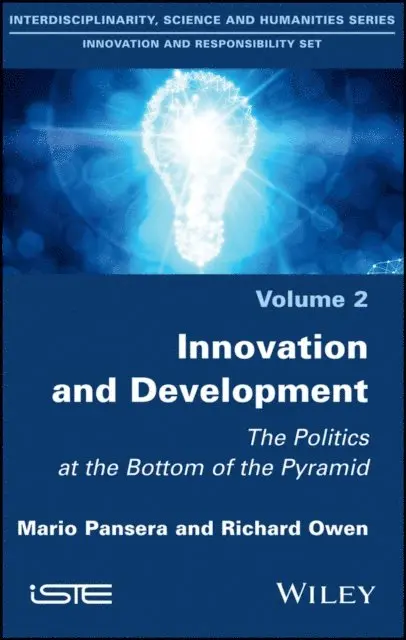
Innovation and Development
The Politics at the Bottom of the Pyramid
Av Richard Owen, Mario Pansera
E-bok, 2018
2282 kr
Lägg i varukorg
Innovation, often tempered by the language of inclusion, has become an indispensable element of contemporary development policy and practice in the so-called Global South. Driven by multinational companies, public–private partnerships and social enterprises, “innovation for development” aims to …
Innovation and Development
The Politics at the Bottom of the Pyramid
Av Richard Owen, Mario Pansera
E-bok, 2018
2332 kr
Lägg i varukorg
Innovation, often tempered by the language of inclusion, has become an indispensable element of contemporary development policy and practice in the so-called Global South. Driven by multinational companies, public–private partnerships and social enterprises, “innovation for development” aims to …
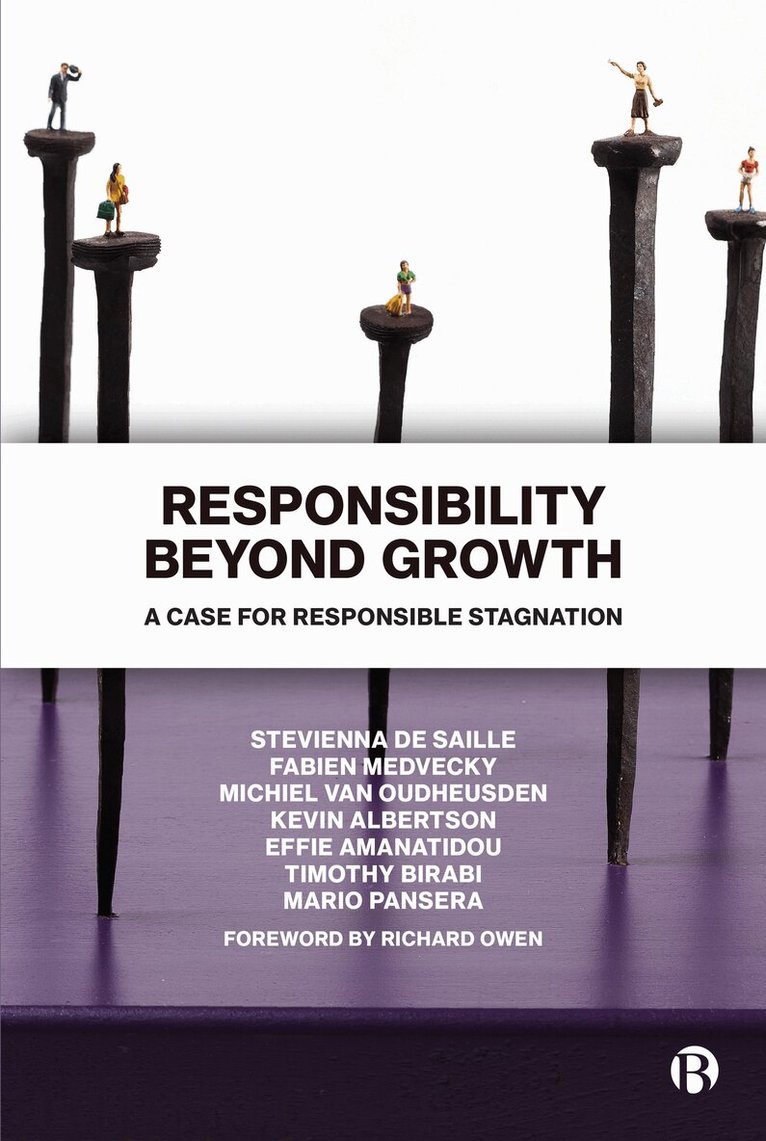
Responsibility Beyond Growth
A Case for Responsible Stagnation
Av Stevienna de Saille, Fabien Medvecky m. fl.
Inbunden, 2020
329 kr
Lägg i varukorg
Critically assessing growth-based models of innovation policy, this enlightening study sparks new debate on the role and nature of responsible innovation.Drawing on insights from economics, politics, and science and technology studies, it proposes the concept of 'responsible stagnation' as an …
Post Growth Innovation
Resisting the Pursuit of Endless Economic Growth
Av Mario Pansera, Javier Lloveras
Häftad, 2025
338 kr
Lägg i varukorg
Available open access digitally under CC-BY-NC-ND licence. Post growth and degrowth scholars argue that we cannot reduce CO2 emissions fast enough to keep global warming below 2 degrees while continuing economic growth. We face a choice: either we innovate how to scale down production and …
Innovation and Development
The Politics at the Bottom of the Pyramid
Av Mario Pansera, Richard Owen
Inbunden, 2018
1938 kr
Lägg i varukorg
Innovation, often tempered by the language of inclusion, has become an indispensable element of contemporary development policy and practice in the so-called Global South. Driven by multinational companies, public–private partnerships and social enterprises, “innovation for development” aims to …