Marion Pluskota – författare
Visar alla böcker från författaren Marion Pluskota. Handla med fri frakt och snabb leverans.
11 produkter
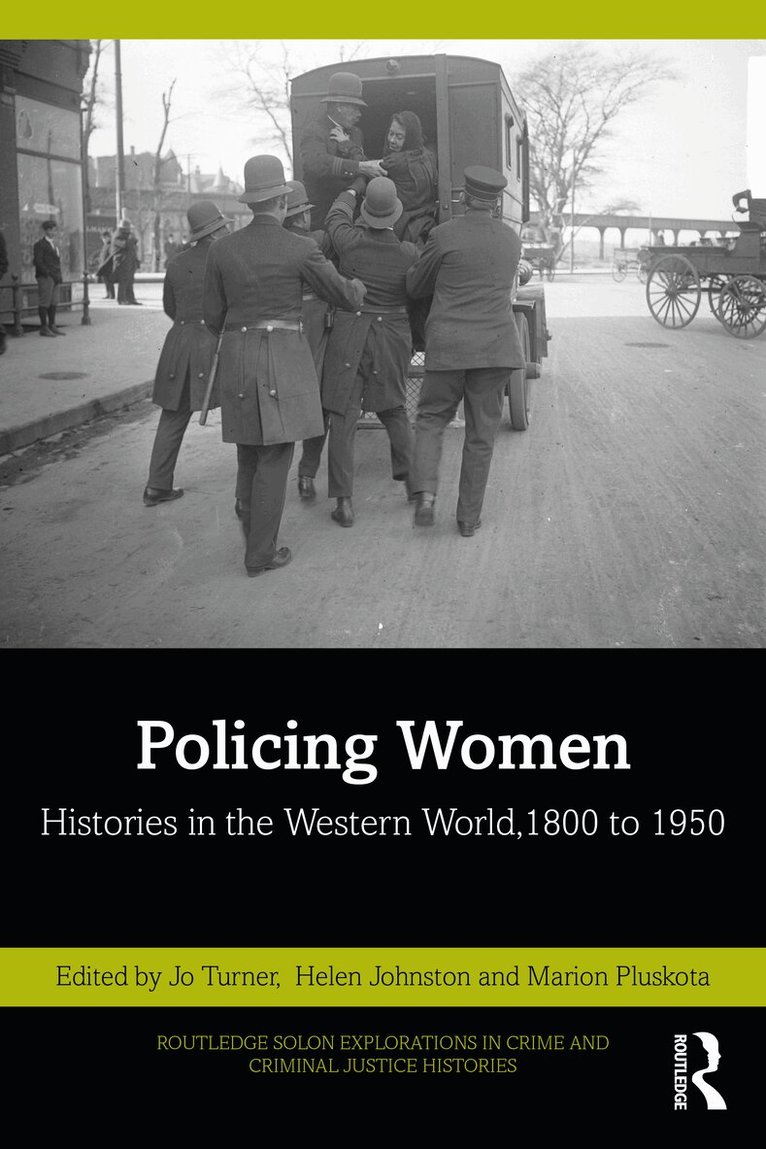
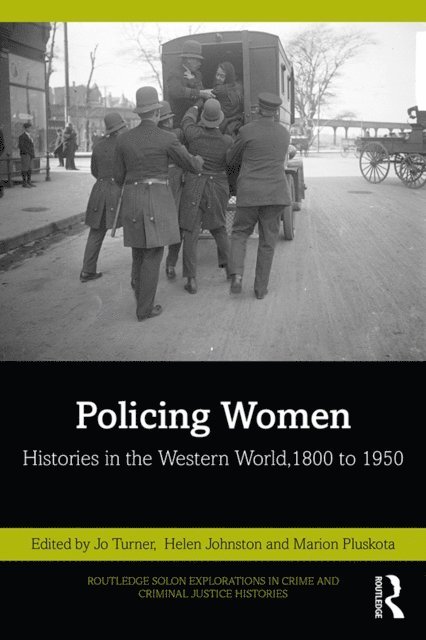
Policing Women
Histories in the Western World, 1800 to 1950
Av Jo Turner, Helen Johnston m. fl.
Häftad, 2023
667 kr
Lägg i varukorg
Policing Women examines for the first time the changing historical landscape of women’s experiences of their contact with the official state police between 1800 and 1950 in the Western world.Drawing on and going beyond existing knowledge about policing practices, the volume discusses how women …
Policing Women
Histories in the Western World, 1800 to 1950
Av Jo Turner, Helen Johnston m. fl.
Inbunden, 2023
2586 kr
Lägg i varukorg
Policing Women examines for the first time the changing historical landscape of women’s experiences of their contact with the official state police between 1800 and 1950 in the Western world.Drawing on and going beyond existing knowledge about policing practices, the volume discusses how women …
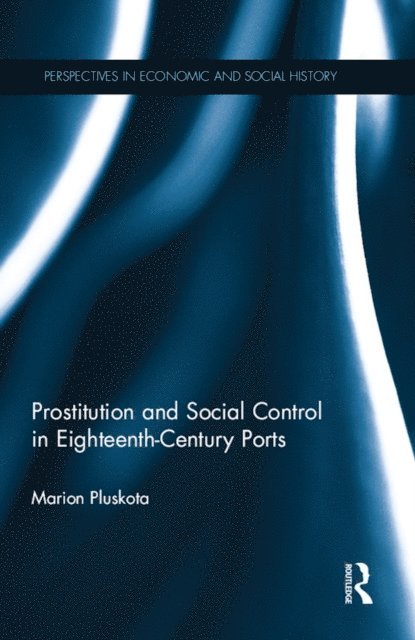
Prostitution and Social Control in Eighteenth-Century Ports
Häftad, 2020
712 kr
Lägg i varukorg
In the last third of the eighteenth-century, Bristol and Nantes were two of the most active commercial ports of England and France, despite a slowdown of their economy. Their economies were based primarily on the maritime trade, but they developed alongside Atlantic industries that attracted many …
Policing Women
Histories in the Western World, 1800 to 1950
Av Marion Pluskota, Helen Johnston m. fl.
E-bok, 2023
746 kr
Lägg i varukorg
Policing Women examines for the first time the changing historical landscape of women’s experiences of their contact with the official state police between 1800 and 1950 in the Western world. Drawing on and going beyond existing knowledge about policing practices, the volume discusses how women …
Policing Women
Histories in the Western World, 1800 to 1950
Av Marion Pluskota, Helen Johnston m. fl.
E-bok, 2023
762 kr
Lägg i varukorg
Policing Women examines for the first time the changing historical landscape of women’s experiences of their contact with the official state police between 1800 and 1950 in the Western world. Drawing on and going beyond existing knowledge about policing practices, the volume discusses how women …
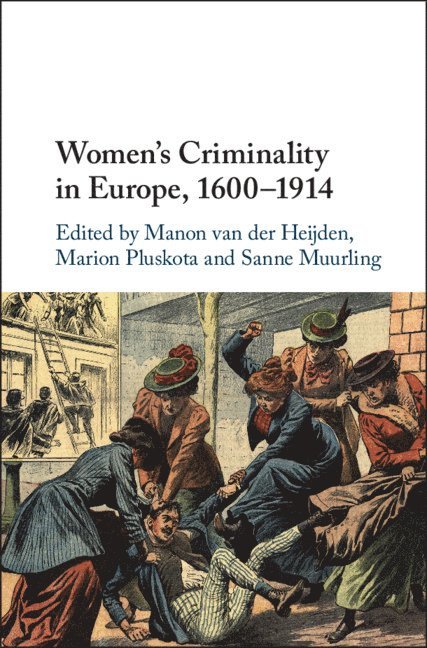
Women's Criminality in Europe, 1600-1914
Av Manon van der Heijden, Marion Pluskota m. fl.
Inbunden, 2020
1389 kr
Lägg i varukorg
Bringing together the most current research on the relationship between crime and gender in the West between 1600 and 1914, this authoritative volume places female criminality within its everyday context. It reveals how their socio-economic and cultural contexts provided women with 'agency' against …
Women's Criminality in Europe, 1600-1914
Av Sanne Muurling, Marion Pluskota m. fl.
E-bok, 2020
1662 kr
Lägg i varukorg
Bringing together the most current research on the relationship between crime and gender in the West between 1600 and 1914, this authoritative volume places female criminality within its everyday context. It reveals how their socio-economic and cultural contexts provided women with ''agency'' …
Women's Criminality in Europe, 1600-1914
Av Sanne Muurling, Marion Pluskota m. fl.
E-bok, 2020
1626 kr
Lägg i varukorg
Bringing together the most current research on the relationship between crime and gender in the West between 1600 and 1914, this authoritative volume places female criminality within its everyday context. It reveals how their socio-economic and cultural contexts provided women with ''agency'' …
Prostitution and Social Control in Eighteenth-Century Ports
E-bok, 2018
820 kr
Lägg i varukorg
In the last third of the eighteenth-century, Bristol and Nantes were two of the most active commercial ports of England and France, despite a slowdown of their economy. Their economies were based primarily on the maritime trade, but they developed alongside Atlantic industries that attracted many …
Prostitution and Social Control in Eighteenth-Century Ports
E-bok, 2018
838 kr
Lägg i varukorg
In the last third of the eighteenth-century, Bristol and Nantes were two of the most active commercial ports of England and France, despite a slowdown of their economy. Their economies were based primarily on the maritime trade, but they developed alongside Atlantic industries that attracted many …
Prostitution and Social Control in Eighteenth-Century Ports
Inbunden, 2015
2595 kr
Lägg i varukorg
In the last third of the eighteenth-century, Bristol and Nantes were two of the most active commercial ports of England and France, despite a slowdown of their economy. Their economies were based primarily on the maritime trade, but they developed alongside Atlantic industries that attracted many …