Mark D. Bateman – författare
Visar alla böcker från författaren Mark D. Bateman. Handla med fri frakt och snabb leverans.
2 produkter
2 produkter
1 264 kr
Skickas inom 11-20 vardagar
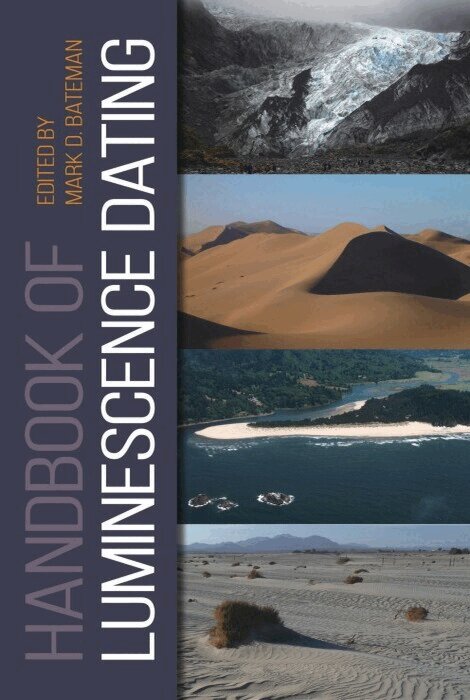
Luminescence dating is now widely applied by scientists working in Quaternary geology and archaeology to obtain ages for events as diverse as past earthquakes, desertification and cave occupation sites. Using quartz or feldspar minerals found in almost ubiquitous sand and finer sediments, luminescence can provide ages from over 500,000 years ago to modern.Written by some of the foremost experts in luminescence dating from around the world, this book takes a new approach. It explains what luminescence can and can’t do, what and where to sample, types of measurements available and how to interpret and analyse ages once they are measured. It is accordingly for scientists who require luminescence ages for their research rather than those scientists developing the luminescence technique or making their own luminescence measurements. The background to the technique is explained in simple terms so that the range of potential applications, limits and issues can be understood. The book helps scientists plan where and what to sample to optimise the successful application of luminescence and stemming from that the chronologies that can be constructed. The Handbook sets out the challenges and limitations when applying luminescence dating in different environmental and archaeological settings and gives practical advice on how issues might be avoided in sampling, or mitigated by requesting different laboratory measurement approaches or analysis.Guidance is provided on how luminescence ages can be interpreted and published as well as how they can be used within chronological frameworks. With luminescence dating continuing to develop, information on more experimental approaches is given which may help expand the range of chronological challenges to which luminescence dating can be routinely applied.
Paleoshorelines and their relict littoral plants
Tracing the past Baltic Sea shorelines and discharge of the Kymi River
Häftad, Engelska, 2026
738 kr
Kommande
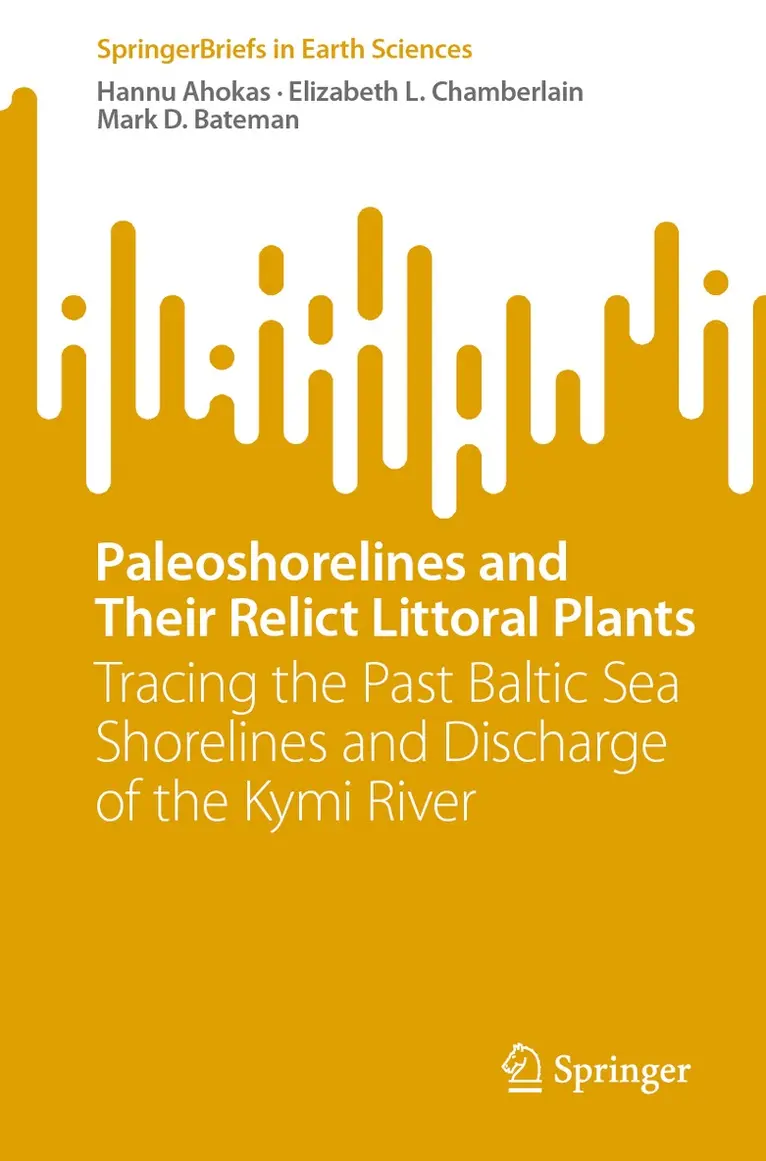
This book unravels the deep-time story of the Baltic Sea’s ancient shores—landscapes shaped by the retreat of the last Ice Age and still visible today in raised beaches across Fennoscandia. Relict coastal plant species, surviving for millennia in habitats that mirror long-vanished shorelines, reveal how climate, soil and sunlight once allowed pioneer vegetation to flourish on emerging land. Using luminescence and radiocarbon dating, the authors determine the ages of prehistoric shorelines and even provide a new age estimate for a remarkable rock painting.As land rose unevenly after the Ice Age, rivers shifted their courses; the dramatic outburst of the Kymi River through the First Salpausselkä ridge is traced and dated, along with the ensuing floods and ice-block events recorded in oral tradition and place names. Luminescence analyses also uncover evidence of ancient meltwater rivers flowing under the continental ice more than 60,000 years ago—during a milder interval that allowed mammoths to roam Fennoscandia before the ice returned. A vivid synthesis of geology, paleoecology and cultural history, this book brings to life the dynamic landscapes and climatic shifts that shaped Northern Europe’s past.