Mark D. Fullerton – författare
Visar alla böcker från författaren Mark D. Fullerton. Handla med fri frakt och snabb leverans.
5 produkter
5 produkter
Häftad, Engelska, 2011
561 kr
Skickas inom 7-10 vardagar
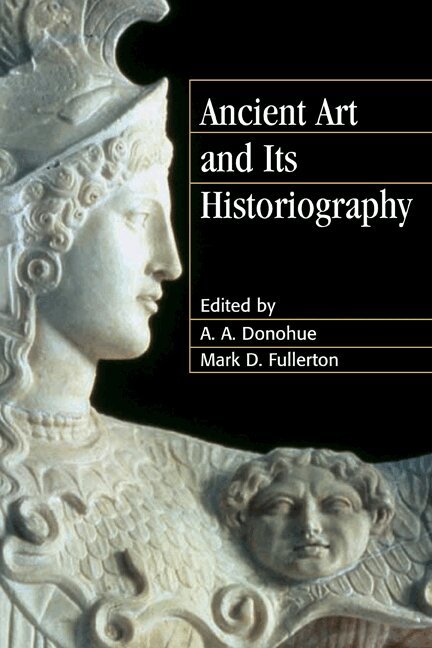
This 2003 book treats the historiography of ancient Near Eastern and Classical art, examining the social, intellectual and institutional contexts that have shaped the way that the history of ancient art has been and continues to be written. It demonstrates how, from the Renaissance to the time of publication, the study and interpretation of ancient art reflect contemporary ideas and practices. Among the subjects considered are the classical tradition in the post-antique West; the emergence of academic disciplines; the role of collections in the evaluation of ancient art; and issues of race, gender, and cultural authority in the interpretation of ancient civilisations.
E-bok
PDF, Engelska, 20161 710 kr
Läs direkt efter köp
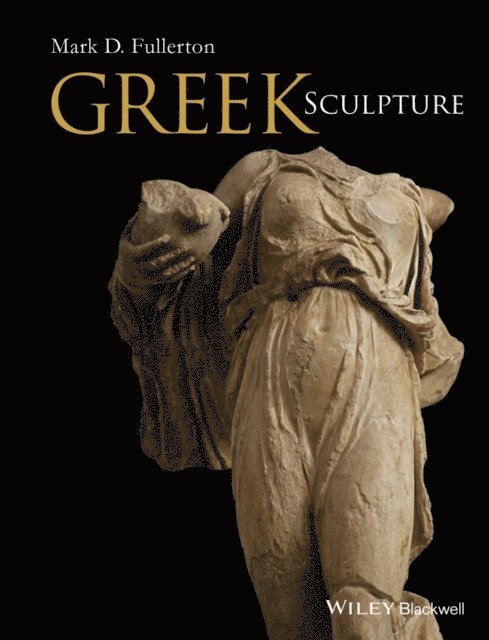
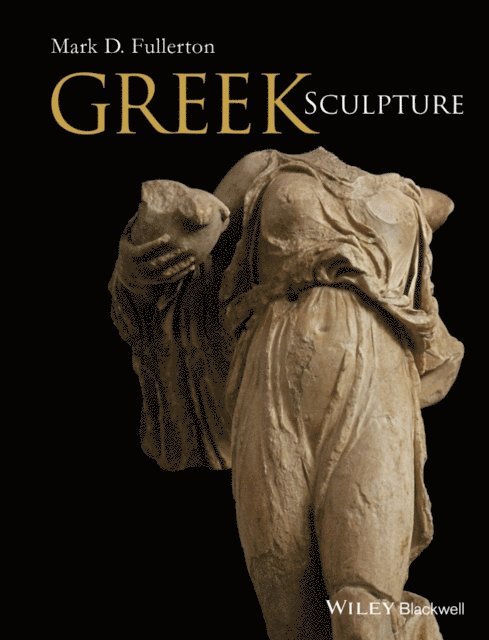
Greek Sculpture presents a chronological overview of the plastic and glyptic art forms in the ancient Greek world from the emergence of life-sized marble statuary at the end of the seventh century BC to the appropriation of Greek sculptural traditions by Rome in the first two centuries AD. Compares the evolution of Greek sculpture over the centuries to works of contemporaneous Mediterranean civilizations Emphasizes looking closely at the stylistic features of Greek sculpture, illustrating these observations where possible with original works rather than copies Places the remarkable progress of stylistic changes that took place in Greek sculpture within a broader social and historical context Facilitates an understanding of why Greek monuments look the way they do and what ideas they were capable of expressing Focuses on the most recent interpretations of Greek sculptural works while considering the fragile and fragmentary evidence uncovered
E-bok
Engelska, 2016765 kr
Läs direkt efter köp
Greek Sculpture presents a chronological overview of the plastic and glyptic art forms in the ancient Greek world from the emergence of life-sized marble statuary at the end of the seventh century BC to the appropriation of Greek sculptural traditions by Rome in the first two centuries AD. Compares the evolution of Greek sculpture over the centuries to works of contemporaneous Mediterranean civilizations Emphasizes looking closely at the stylistic features of Greek sculpture, illustrating these observations where possible with original works rather than copies Places the remarkable progress of stylistic changes that took place in Greek sculpture within a broader social and historical context Facilitates an understanding of why Greek monuments look the way they do and what ideas they were capable of expressing Focuses on the most recent interpretations of Greek sculptural works while considering the fragile and fragmentary evidence uncovered
Häftad, Engelska, 2016
670 kr
Skickas inom 5-8 vardagar
Greek Sculpture presents a chronological overview of the plastic and glyptic art forms in the ancient Greek world from the emergence of life-sized marble statuary at the end of the seventh century BC to the appropriation of Greek sculptural traditions by Rome in the first two centuries AD. Compares the evolution of Greek sculpture over the centuries to works of contemporaneous Mediterranean civilizationsEmphasizes looking closely at the stylistic features of Greek sculpture, illustrating these observations where possible with original works rather than copiesPlaces the remarkable progress of stylistic changes that took place in Greek sculpture within a broader social and historical contextFacilitates an understanding of why Greek monuments look the way they do and what ideas they were capable of expressingFocuses on the most recent interpretations of Greek sculptural works while considering the fragile and fragmentary evidence uncovered
Inbunden, Engelska, 2016
1 287 kr
Skickas inom 5-8 vardagar
Greek Sculpture presents a chronological overview of the plastic and glyptic art forms in the ancient Greek world from the emergence of life-sized marble statuary at the end of the seventh century BC to the appropriation of Greek sculptural traditions by Rome in the first two centuries AD. Compares the evolution of Greek sculpture over the centuries to works of contemporaneous Mediterranean civilizationsEmphasizes looking closely at the stylistic features of Greek sculpture, illustrating these observations where possible with original works rather than copiesPlaces the remarkable progress of stylistic changes that took place in Greek sculpture within a broader social and historical contextFacilitates an understanding of why Greek monuments look the way they do and what ideas they were capable of expressingFocuses on the most recent interpretations of Greek sculptural works while considering the fragile and fragmentary evidence uncovered