Mark R. Teasdale – författare
Visar alla böcker från författaren Mark R. Teasdale. Handla med fri frakt och snabb leverans.
9 produkter
Evangelism for Non–Evangelists – Sharing the Gospel Authentically
Häftad, 2016
312 kr
Lägg i varukorg
Evangelism . The very word makes palms sweat and images spin: buttonholing in a city park, knocking on neighborhood doors, being conscripted into evangelistic campaigns, to say nothing of that annoying religious neighbor or coworker. We have met the evangelists-and they are not us. If evangelism is …
Evangelism for Non-Evangelists
Sharing the Gospel Authentically (16pt Large Print Edition)
Häftad, 2016
400 kr
Lägg i varukorg
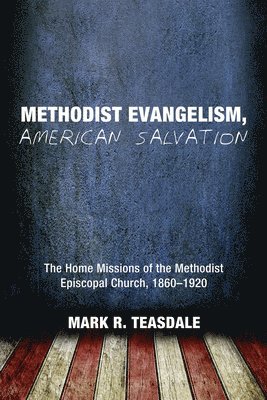
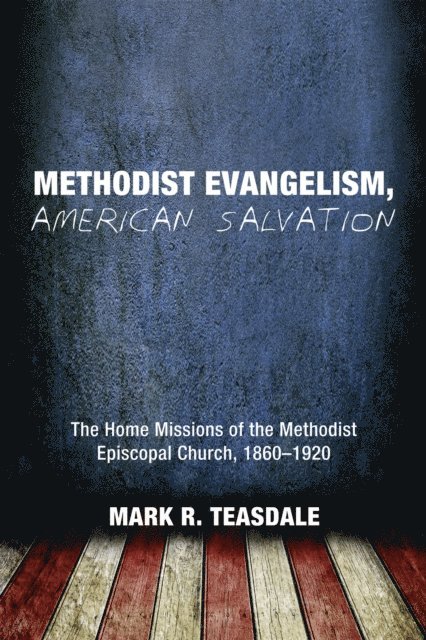
Methodist Evangelism, American Salvation
The Home Missions of the Methodist Episcopal Church, 1860-1920
Inbunden, 2014
527 kr
Lägg i varukorg
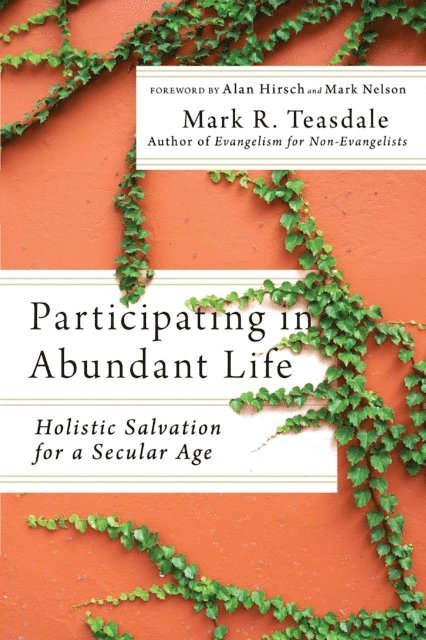
Participating in Abundant Life – Holistic Salvation for a Secular Age
Av Mark R. Teasdale, Alan Hirsch m. fl.
Häftad, 2022
224 kr
Lägg i varukorg
Our world is hungry for salvation, but we don't always know how to talk about it. Christians agree that God cares about people's lives both in this world and into eternity. But the ways we describe salvation often separate the spiritual from the material. Many groups emphasize one at the expense of …
Participating in Abundant Life
Holistic Salvation for a Secular Age
E-bok, 2022
248 kr
Lägg i varukorg
Our world is hungry for salvation, but we don''t always know how to talk about it. Christians agree that God cares about people''s lives both in this world and into eternity. But the ways we describe salvation often separate the spiritual from the material. Many groups emphasize one at the expense …
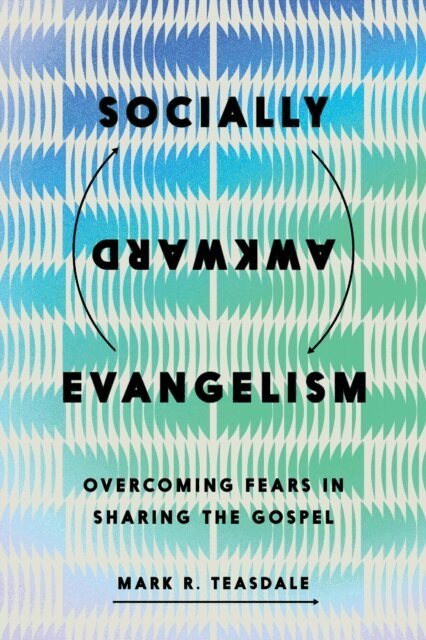
Socially Awkward Evangelism: Overcoming Fears in Sharing the Gospel
Häftad, 2026
300 kr
Lägg i varukorg
Socially Awkward Evangelism
Overcoming Fears in Sharing the Gospel
E-bok, 2026
248 kr
Lägg i varukorg
Move Past Anxiety and Into Confident WitnessAre fear and anxiety holding you back from sharing your faith? Does the thought of evangelism make you uneasy or leave you concerned about making others uncomfortable? The biggest barrier to evangelism, Mark Teasdale argues, is not lack of training or …
Methodist Evangelism, American Salvation
The Home Missions of the Methodist Episcopal Church, 1860–1920
E-bok, 2014
589 kr
Lägg i varukorg
Powerful ideas have the capacity to inspire great good. They also have the capacity to prompt unspeakable acts of evil. The ideas of America and the gospel have been used for both. The situation was no different when the Methodist Episcopal Church (MEC) brought these two ideas together in its …