Marta Manzanares Mileo – författare
Visar alla böcker från författaren Marta Manzanares Mileo. Handla med fri frakt och snabb leverans.
4 produkter
4 produkter
E-bok
PDF, Engelska, 2026745 kr
Läs direkt efter köp
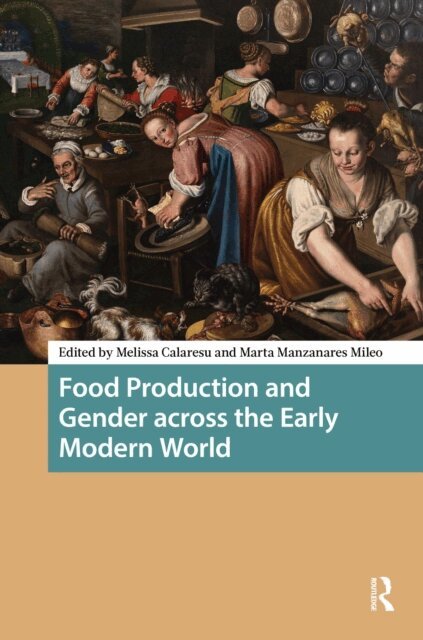
This collection of nine essays presents new research exploring the significance and forms of labour involved in food production across the early modern world from c. 1500 to 1800. Ranging from the Netherlands to the Mediterranean Basin and from the Pacific to the Atlantic worlds, the volume opens up new directions in research on various activities that have received little attention, such as preserving, grinding, curing, and frying. These studies uncover historical actors engaged in the processing of different foodstuffs, whose embodied knowledge and work are often obscured in the historical record, and rendered even less accessible when performed by women. By interpreting genre paintings, revisiting well known documents, and engaging in hands on reconstruction research, the essays provide a more nuanced and fuller understanding of food production both in and out of the kitchen, while advancing long standing historiographical debates on gender, food, and work in meaningful ways.
E-bok
Engelska, 2026745 kr
Läs direkt efter köp
This collection of nine essays presents new research exploring the significance and forms of labour involved in food production across the early modern world from c. 1500 to 1800. Ranging from the Netherlands to the Mediterranean Basin and from the Pacific to the Atlantic worlds, the volume opens up new directions in research on various activities that have received little attention, such as preserving, grinding, curing, and frying. These studies uncover historical actors engaged in the processing of different foodstuffs, whose embodied knowledge and work are often obscured in the historical record, and rendered even less accessible when performed by women. By interpreting genre paintings, revisiting well known documents, and engaging in hands on reconstruction research, the essays provide a more nuanced and fuller understanding of food production both in and out of the kitchen, while advancing long standing historiographical debates on gender, food, and work in meaningful ways.
E-bok
Katalanska, 2021140 kr
Läs direkt efter köp
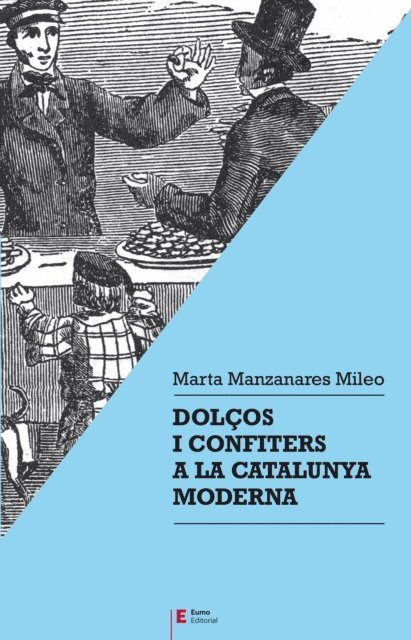
El dolç ha generat una rica història de receptes, oficis i sabers que han evolucionat conjuntament amb el paladar i la cultura de cada societat.La investigadora Marta Manzanares Mileo ens proposa endinsar-nos en el món confiter català i en una tradició que arrenca amb l'expansió de la demanda de sucre i el desenvolupament econòmic de Barcelona i el seu entorn. A través de l'evolució dels dolços i de l'influent i poderós gremi de confiters descobrim diferents aspectes de la Catalunya moderna: des dels ritus socials i festius fins a les pràctiques culturals dels diferents grups socials; des dels canvis de les polítiques gremials i l'expansió del mercat de consum fins a les transformacions dels gustos i l'afermament de noves tradicions gastronòmiques i pràctiques alimentàries. Fos més o menys elaborat o refinat, quotidià o festiu, fet a casa o a les sofisticades confiteries, ningú no podia resistir-se a un bon confit.
Inbunden, Engelska, 2026
2 032 kr
Skickas inom 10-15 vardagar
This collection of nine essays presents new research exploring the significance and forms of labour involved in food production across the early modern world from c. 1500 to 1800. Ranging from the Netherlands to the Mediterranean Basin and from the Pacific to the Atlantic worlds, the volume opens up new directions in research on various activities that have received little attention, such as preserving, grinding, curing, and frying. These studies uncover historical actors engaged in the processing of different foodstuffs, whose embodied knowledge and work are often obscured in the historical record, and rendered even less accessible when performed by women. By interpreting genre paintings, revisiting well‑known documents, and engaging in hands‑on reconstruction research, the essays provide a more nuanced and fuller understanding of food production both in and out of the kitchen, while advancing long‑standing historiographical debates on gender, food, and work in meaningful ways.