Martin J Attrill - Böcker
Visar alla böcker från författaren Martin J Attrill. Handla med fri frakt och snabb leverans.
3 produkter
3 produkter
788 kr
Skickas inom 5-8 vardagar
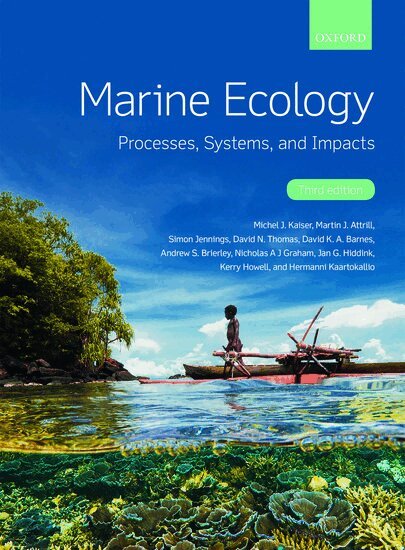
Striking full colour illustrations and photographs bring this integrated and stimulating survey of marine ecology to life. Through its unique structure, Marine Ecology: Processes, Systems, and Impacts offers a systems-orientated approach from a truly modern and global perspective.The text introduces key processes and systems from which the marine environment is formed and the issues and challenges which surround its future. Opening with an overview of the processes and interactions which are central to an understanding of marine ecology, the book goes on to explore the diverse systems from which the marine environment is composed, from estuaries to seabeds, the deep sea to polar regions. Detailed case studies form the basis of the pedagogy, highlighting issues from a diverse range of marine systems in a digestible way.In this third edition, more of an emphasis is placed on climate change and looking towards future challenges, since the importance of understanding and conserving the marine environment has never been more apparent. There is also a new chapter on the value of the ocean to society which discusses key topics such as natural capital and food security.Marine Ecology: Processes, Systems, and Impacts is a carefully balanced, positive and considered text, containing measures that can be taken to mitigate adverse effects on this complex, fragile environment. It is an essential resource for any student wishing to develop a well-balanced, informed understanding of this fascinating subject.
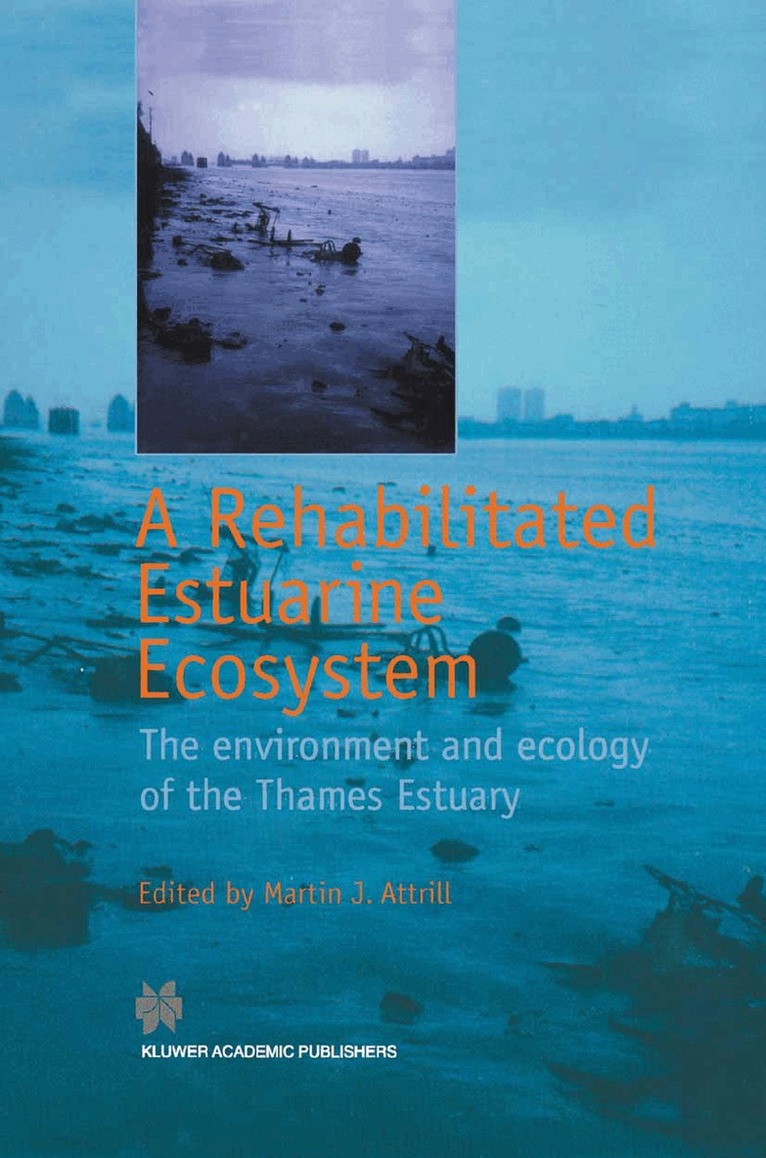
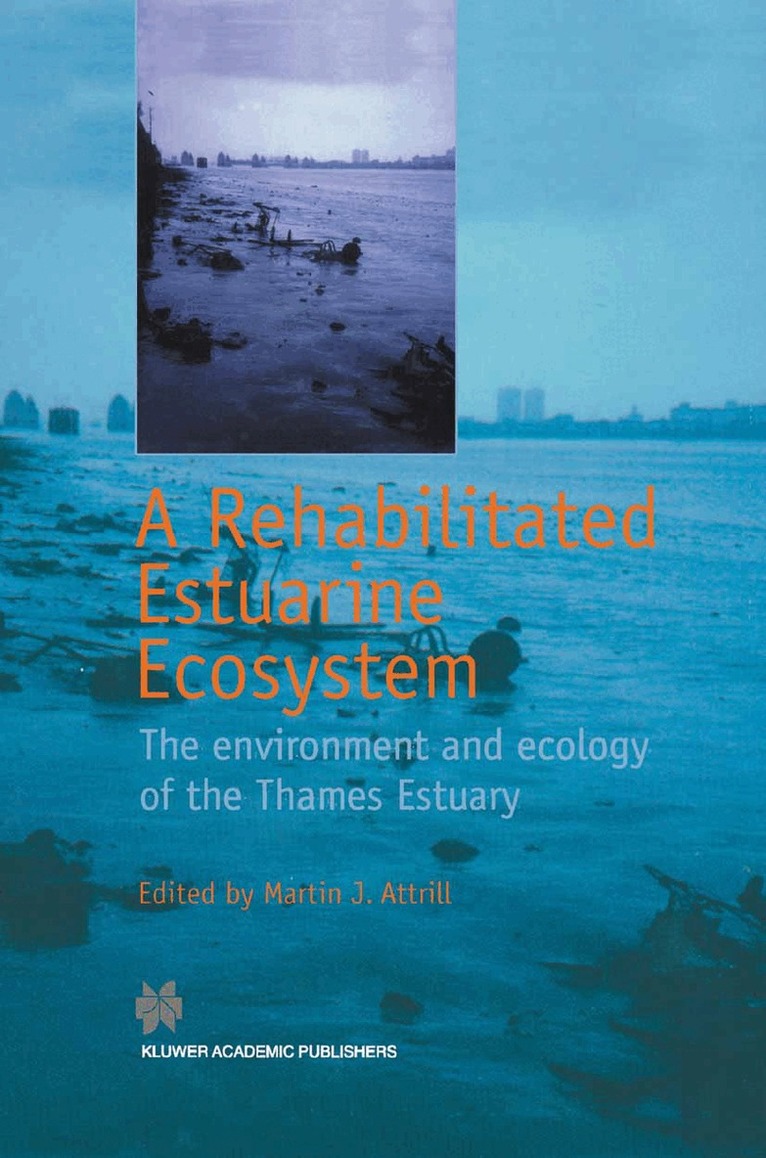
Rehabilitated Estuarine Ecosystem
The environment and ecology of the Thames Estuary
Inbunden, Engelska, 1998
1 578 kr
Skickas inom 10-15 vardagar
Jim Green 1.1 THE THAMES ESTUARY:A PERSONAL VIEW For almost 50 years I have lived close to the Thames estuary (Figure 1.1). In the early 1950s, from our flat in Pimlico, we could walk along the embankment opposite Battersea Power Station. At low tide, the exposed mud had large red patches caused by the haemoglobin in innumerable tubificid worms. These formed the basis of a minor trade. Men with waders and sieves would collect the worms and sell them to the aquarium trade as food for fishes.The superabundance of these worms depended on the gross organic pollution of this reach of the Thames. Towards the end of the 1950s we moved to Teddington, within a few minutes' walk from the lock. Casual observation of the birds on the river indicates an increase in the piscivores over the last 20 years.Cormorants tPhalacrocorax carbo) are regularly seen, and grey herons (Ardea cinerea) are more abundant. On a good day it is possible to see up to eight herons around the weir and below the lock. Another bird that is now common- place in the area is the great-crested grebe (Podiceps cristatus).The regular mallard (Anas platyrhynchos)and Canada geese (Branta canadensis)are some- times joined by tufted duck (Aythafuligula)and mandarin (Aixgalericulata).
Rehabilitated Estuarine Ecosystem
The environment and ecology of the Thames Estuary
Häftad, Engelska, 2012
1 578 kr
Skickas inom 10-15 vardagar
Jim Green 1.1 THE THAMES ESTUARY:A PERSONAL VIEW For almost 50 years I have lived close to the Thames estuary (Figure 1.1). In the early 1950s, from our flat in Pimlico, we could walk along the embankment opposite Battersea Power Station. At low tide, the exposed mud had large red patches caused by the haemoglobin in innumerable tubificid worms. These formed the basis of a minor trade. Men with waders and sieves would collect the worms and sell them to the aquarium trade as food for fishes.The superabundance of these worms depended on the gross organic pollution of this reach of the Thames. Towards the end of the 1950s we moved to Teddington, within a few minutes' walk from the lock. Casual observation of the birds on the river indicates an increase in the piscivores over the last 20 years.Cormorants tPhalacrocorax carbo) are regularly seen, and grey herons (Ardea cinerea) are more abundant. On a good day it is possible to see up to eight herons around the weir and below the lock. Another bird that is now common- place in the area is the great-crested grebe (Podiceps cristatus).The regular mallard (Anas platyrhynchos)and Canada geese (Branta canadensis)are some- times joined by tufted duck (Aythafuligula)and mandarin (Aixgalericulata).