Martin Meiske – författare
Visar alla böcker från författaren Martin Meiske. Handla med fri frakt och snabb leverans.
3 produkter
3 produkter
Inbunden, Engelska, 2022
899 kr
Skickas inom 5-8 vardagar
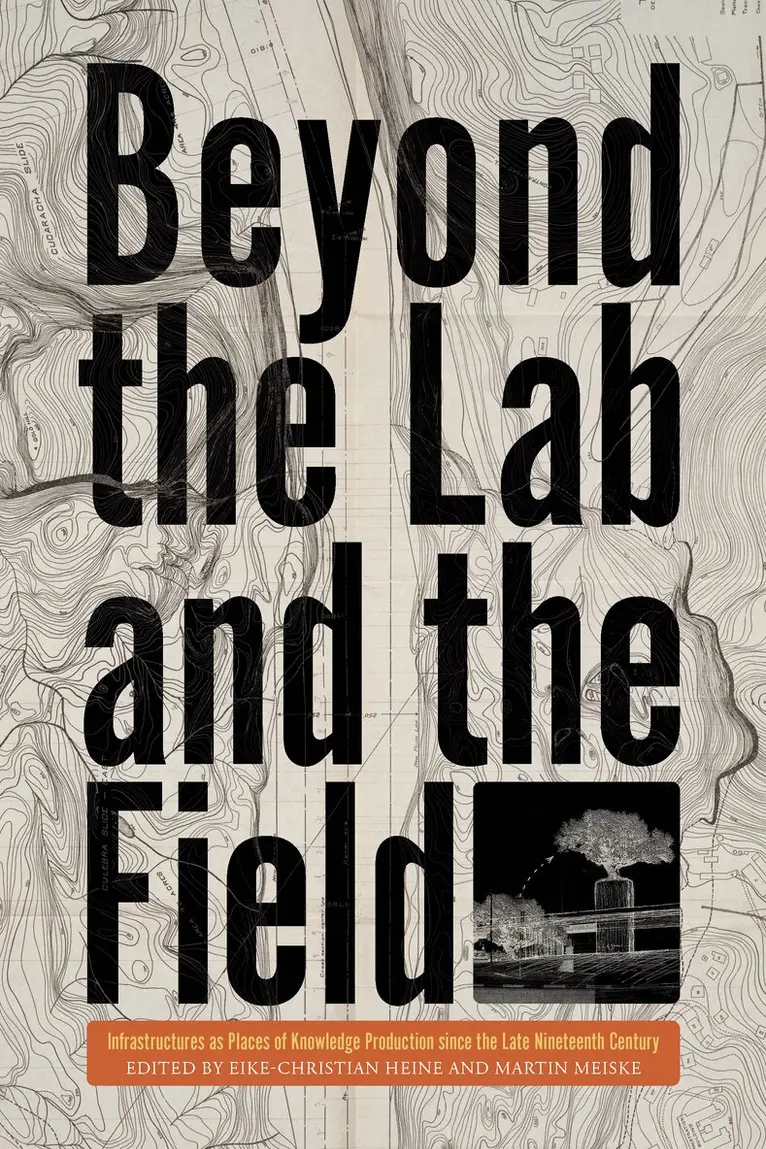
Beyond the Lab and the Field analyzes infrastructures as intense sites of knowledge production in the Americas, Europe, and Asia since the late nineteenth century. Moving beyond classical places known for yielding scientific knowledge, chapters in this volume explore how the construction and maintenance of canals, highways, dams, irrigation schemes, the oil industry, and logistic networks intersected with the creation of know-how and expertise. Referred to by the authors as "scientific bonanzas," such intersections reveal opportunities for great wealth, but also distress and misfortune. This volume explores how innovative technologies provided research opportunities for scientists and engineers, as they relied on expertise to operate, which resulted in enormous profits for some. But, like the history of any gold rush, the history of infrastructure also reveals how technologies of modernity transformed nature, disrupting communities and destroying the local environment. Focusing not on the victory march of science and technology but on ambivalent change, contributors consider the role of infrastructures for ecology, geology, archaeology, soil science, engineering, ethnography, heritage, and polar exploration. Together, they also examine largely overlooked perspectives on modernity: the reliance of infrastructure on knowledge, and infrastructures as places and occasions that inspired a greater understanding of the natural world and the technologically made environment.
E-bok
Engelska, 2022901 kr
Läs direkt efter köp
Beyond the Lab and the Field analyzes infrastructures as intense sites of knowledge production in the Americas, Europe, and Asia since the late nineteenth century. Moving beyond classical places known for yielding scientific knowledge, chapters in this volume explore how the construction and maintenance of canals, highways, dams, irrigation schemes, the oil industry, and logistic networks intersected with the creation of know-how and expertise. Referred to by the authors as “scientific bonanzas,” such intersections reveal opportunities for great wealth, but also distress and misfortune.This volume explores how innovative technologies provided research opportunities for scientists and engineers, as they relied on expertise to operate, which resulted in enormous profits for some. But, like the history of any gold rush, the history of infrastructure also reveals how technologies of modernity transformed nature, disrupting communities and destroying the local environment. Focusing not on the victory march of science and technology but on ambivalent change, contributors consider the role of infrastructures for ecology, geology, archaeology, soil science, engineering, ethnography, heritage, and polar exploration. Together, they also examine largely overlooked perspectives on modernity: the reliance of infrastructure on knowledge, and infrastructures as places and occasions that inspired a greater understanding of the natural world and the technologically made environment.
E-bok
PDF, Tyska, 2021272 kr
Läs direkt efter köp
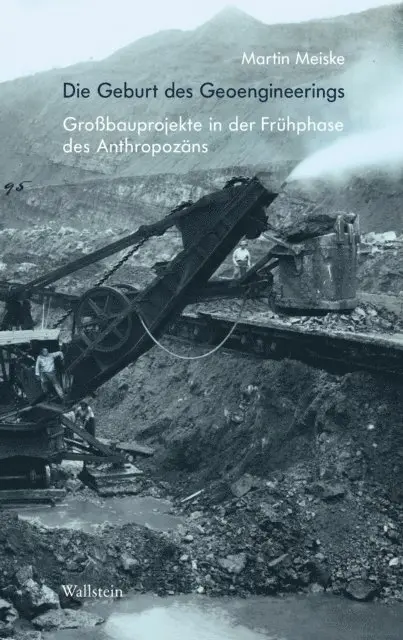
Über die Beherrschbarkeit der Natur und bauliche Großprojekte als Lernorte des Menschen - Martin Meiske erzählt die Geschichte von Hoffnungen und Scheitern.Visionen zur Erdgestaltung sind weit älter als deren Umsetzung. Doch erst seit den 1850er Jahren wurden im Rahmen von immer größeren Bauprojekten jahrmillionenalte natürliche Formationen durchstochen und grundlegend umgeformt. Hier schlägt die Geburtsstunde des Geoengineerings, das seinen Ausdruck in spektakulären Eisenbahntunneln, in Ozeane verbindenden Meereskanälen und monumentalen Staudämmen findet. In dieser Zeit beginnt sich der Mensch zu einem der wichtigsten Einflussfaktoren auf die biogeochemischen Stoffkreisläufe der Erde zu entwickeln und es kündigt sich eine neue geochronologische Epoche an, das Anthropozän. Die damit verbundenen Hoffnungen auf Beherrschbarkeit der Natur z. B. zwecks billiger Energiegewinnung erfüllten sich nicht immer. Manches Infrastrukturprojekt endete tragisch, Menschen und Ökosysteme in den betroffenen Regionen kämpften über Generationen hinweg mit den Folgen dieser Großbauten. Vor diesem Hintergrund ist die heute zumindest teilweise zögerliche Haltung zu verstehen, größere Eingriffe in die Erdsysteme etwa durch das Climate Engineering, vorzunehmen. Martin Meiske widmet sich anhand von Beispielen wie dem Mont-Cenis-Tunnel oder dem Panamakanal der Historisierung des Geoengineerings und rekonstruiert die damit verbundenen Voraussetzungen, Auswirkungen und Wahrnehmungen.