Martyn A. Ould - Böcker
Visar alla böcker från författaren Martyn A. Ould. Handla med fri frakt och snabb leverans.
3 produkter
3 produkter
1 520 kr
Skickas inom 7-10 vardagar
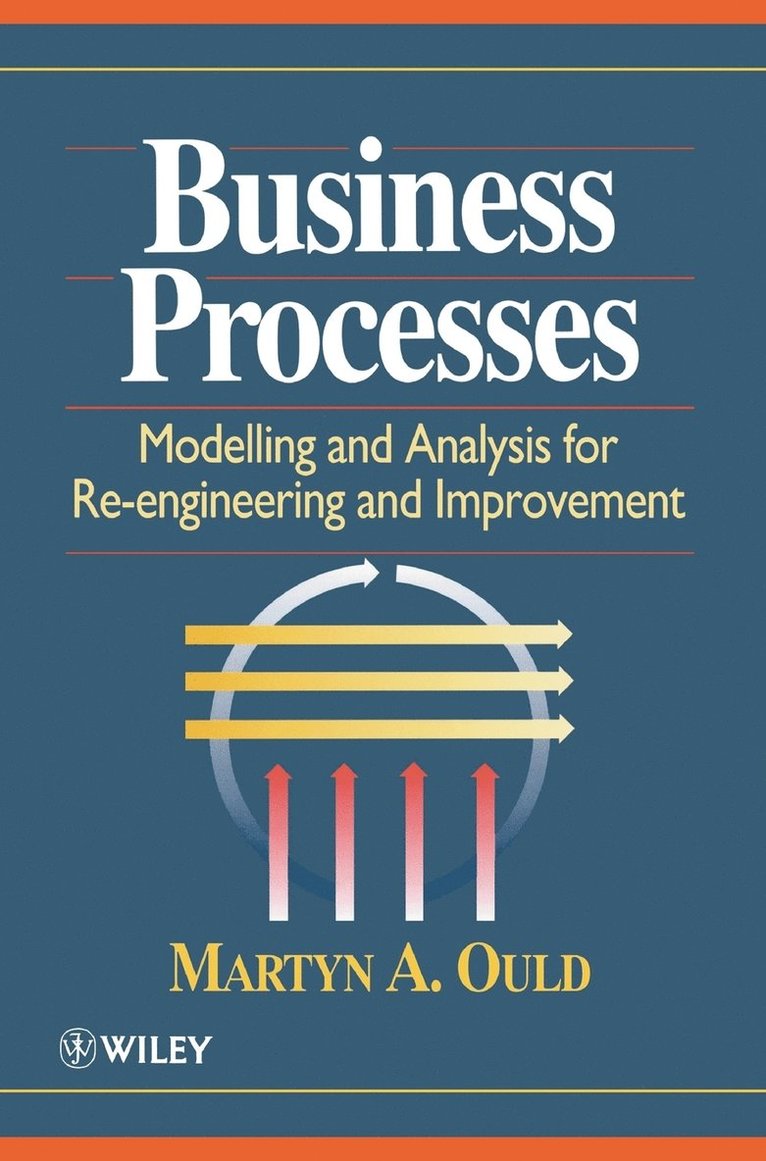
After carefully establishing the objectives of modelling, the author presents a process modelling method, STRIM, and notations which has been developed by Praxis during the last few years. Ould provides detailed descriptions of the notations and the modelling technique along with examples of its use for a variety of purposes. Covers the full method--from organising a modelling project through process analysis to process support system development. can be used by practitioners who have no prior knowledge of the area.
1 302 kr
Skickas inom 7-10 vardagar
How to manage quality up, and risk down. This invaluable guide to project planning and strategic decision making for software developers presents practical and realistic planning techniques to increase chances of a project delivering to time and budget. Offering clear explanations and real-world experiences, the key components of technical management are laid out as templates and checklists to assist managers with their project development. With thirty years of experience in software development, Martyn Ould provides: * Proven strategies for a disciplined approach to project planning * Steps to take in risks and uncertainties in the project * Reliable methods for reducing risks to an acceptable level * A quality planning process that is rooted in the technical requirements of the system * Insight into monitoring and measuring project progress * Real-world experience through case studies and examples
409 kr
Skickas inom 7-10 vardagar
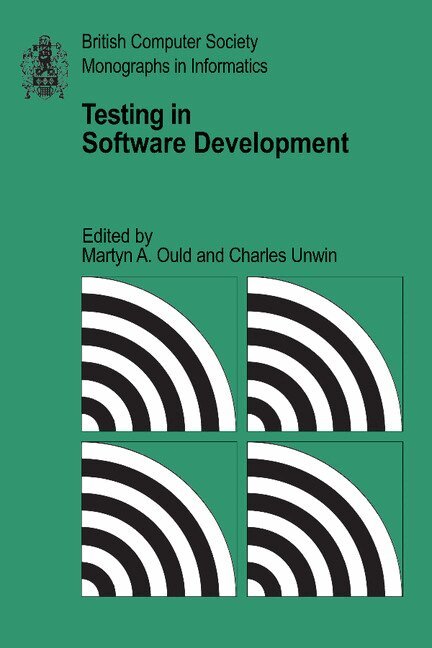
With the increasing application of software in systems, especially safety- or even life-critical systems, it is no longer sufficient for the software developer to rely solely on testing the code produced. Testing must begin with the specification of requirements, continue on the design and finally on the implemented system. This book gives guidance on how testing can be carried out at each of the stages of software development. It does this by looking at the development process from four viewpoints: that of the intended user of the system, of its designers, of its programmers, and of the manager responsible for development. The product of each stage of development is individually examined to see how it can be checked for correctness and consistency with earlier specifications. References are given to techniques available to the software developer and there are many helpful checklists. The contributors are all members of the British Computer Society's Working Group on Testing, and between them have an impressive breadth of practical experience in the commercial development of small and large software systems. Their combined experience makes this a most valuable book for the computing professional.