Martyn Housden – författare
1 953 kr
Skickas inom 10-15 vardagar
555 kr
Skickas inom 10-15 vardagar
616 kr
Skickas inom 10-15 vardagar
2 310 kr
Skickas inom 10-15 vardagar
728 kr
Skickas inom 10-15 vardagar
468 kr
Skickas inom 10-15 vardagar
635 kr
Läs direkt efter köp
635 kr
Läs direkt efter köp
836 kr
Läs direkt efter köp
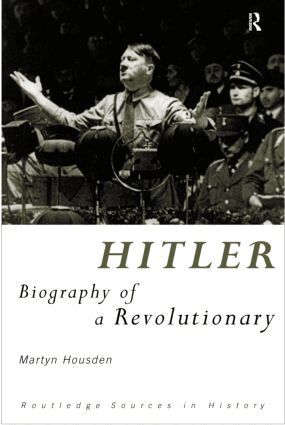
Hitler: Profile of a Dictator is a fascinating exploration of Hitler and his role in the Third Reich. The book unravels the complex historiographical debate surrounding this notorious figure by examining his personality, his ideas and the nature of his power.Hitler: Profile of a Dictator surveys Hitler''s career chronologically and includes coverage of:* the young idealogue* the Führer State* Hitler''s role in the outbreak of the Second World War* Hitler''s involvement in the Holocaust.This second edition brings the continuing debate up to date in light of the most recent reseach, and speculates on the implications of the Irving trial.
836 kr
Läs direkt efter köp
Hitler: Profile of a Dictator is a fascinating exploration of Hitler and his role in the Third Reich. The book unravels the complex historiographical debate surrounding this notorious figure by examining his personality, his ideas and the nature of his power.Hitler: Profile of a Dictator surveys Hitler''s career chronologically and includes coverage of:* the young idealogue* the Führer State* Hitler''s role in the outbreak of the Second World War* Hitler''s involvement in the Holocaust.This second edition brings the continuing debate up to date in light of the most recent reseach, and speculates on the implications of the Irving trial.
2 310 kr
Skickas inom 10-15 vardagar
2 890 kr
Skickas inom 10-15 vardagar
685 kr
Läs direkt efter köp
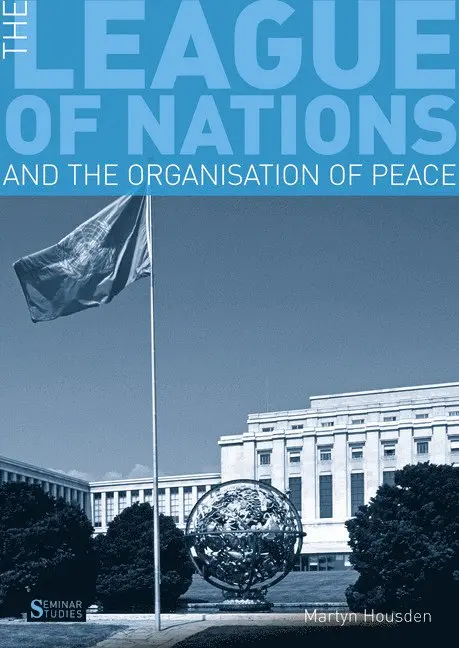
The League of Nations - pre-cursor to the United Nations - was founded in 1919 as a response to the First World War to ensure collective security and prevent the outbreak of future wars. It was set up to facilitate diplomacy in the face of future international conflict, but also to work towards eradicating the very causes of war by promoting social and economic justice. The philosophy behind much of the League''s fascinating and varied roles was to help create satisfied populations who would reject future threats to the peace of their world.
In this new volume for Seminar Studies, Martyn Housden sets out to balance the League''s work in settling disputes, international security and disarmament with an analysis of its achievements in social and economic fields. He explores the individual contributions of founding members of the League, such as Fridtjof Nansen, Ludwik Rajchman, Rachel Crowdy, Robert Cecil and Jan Smuts, whose humanitarian work laid the foundations for the later successes of the United Nations in such areas as:
the welfare of vulnerable people, especially prisoners of war and refugees dealing with epidemic diseases and promoting good health anti-drugs campaignsSupported by previously unpublished documents and photographs, this book illustrates how an understanding of the League of Nations, its achievements and its ultimate failure to stop the Second World War, is central to our understanding of diplomacy and international relations in the Inter-War period.
685 kr
Läs direkt efter köp
The League of Nations - pre-cursor to the United Nations - was founded in 1919 as a response to the First World War to ensure collective security and prevent the outbreak of future wars. It was set up to facilitate diplomacy in the face of future international conflict, but also to work towards eradicating the very causes of war by promoting social and economic justice. The philosophy behind much of the League''s fascinating and varied roles was to help create satisfied populations who would reject future threats to the peace of their world.
In this new volume for Seminar Studies, Martyn Housden sets out to balance the League''s work in settling disputes, international security and disarmament with an analysis of its achievements in social and economic fields. He explores the individual contributions of founding members of the League, such as Fridtjof Nansen, Ludwik Rajchman, Rachel Crowdy, Robert Cecil and Jan Smuts, whose humanitarian work laid the foundations for the later successes of the United Nations in such areas as:
the welfare of vulnerable people, especially prisoners of war and refugees dealing with epidemic diseases and promoting good health anti-drugs campaignsSupported by previously unpublished documents and photographs, this book illustrates how an understanding of the League of Nations, its achievements and its ultimate failure to stop the Second World War, is central to our understanding of diplomacy and international relations in the Inter-War period.
687 kr
Läs direkt efter köp
598 kr
Skickas inom 10-15 vardagar
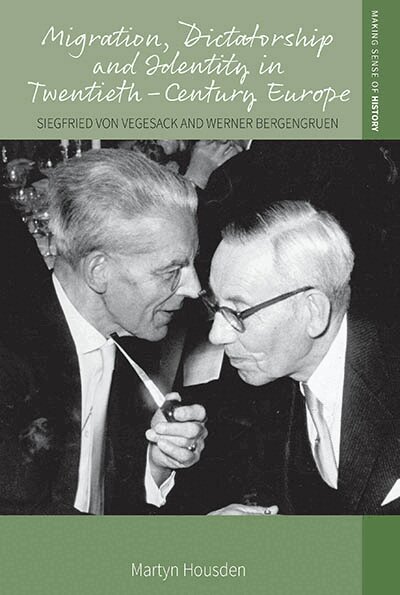
Migration, Dictatorship, and Identity in Twentieth-Century Europe
Siegfried Von Vegesack and Werner Bergengruen
1 777 kr
Skickas
152 kr
Skickas inom 5-8 vardagar
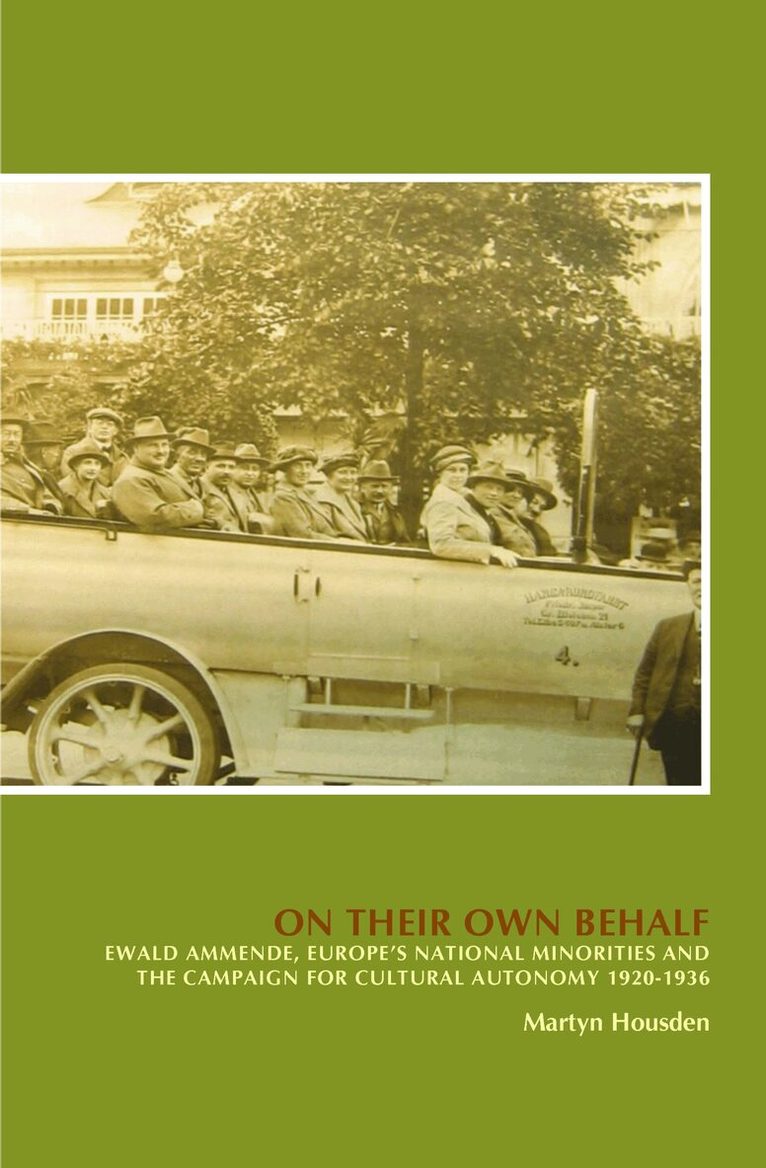
On Their Own Behalf
Ewald Ammende, Europe’s National Minorities and the Campaign for Cultural Autonomy 1920-1936
2 053 kr
Skickas inom 5-8 vardagar