Mary R. Desjardins – författare
Visar alla böcker från författaren Mary R. Desjardins. Handla med fri frakt och snabb leverans.
7 produkter
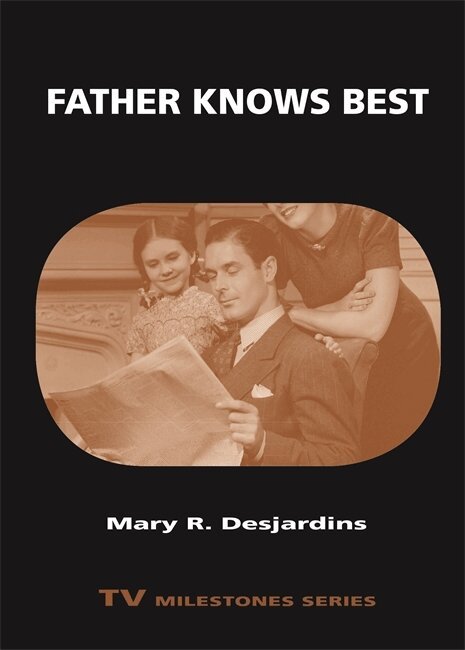
Father Knows Best
Häftad, 2015
292 kr
Lägg i varukorg
Although the iconic television series Father Knows Best (CBS 1954–55; NBC 1955–58; CBS 1958–60) has enjoyed a long history in rerun syndication and an enduring fan base, it is often remembered as cultural shorthand for 1950s-era conformism and authoritarianism. In this study of Father Knows Best, …
Father Knows Best
E-bok, 2015
318 kr
Lägg i varukorg
A historical and analytical examination of the iconic 1950s television and radio family sitcom. Although the iconic television series Father Knows Best (CBS 1954–55; NBC 1955–58; CBS 1958–60) has enjoyed a long history in rerun syndication and an enduring fan base, it is often remembered as …
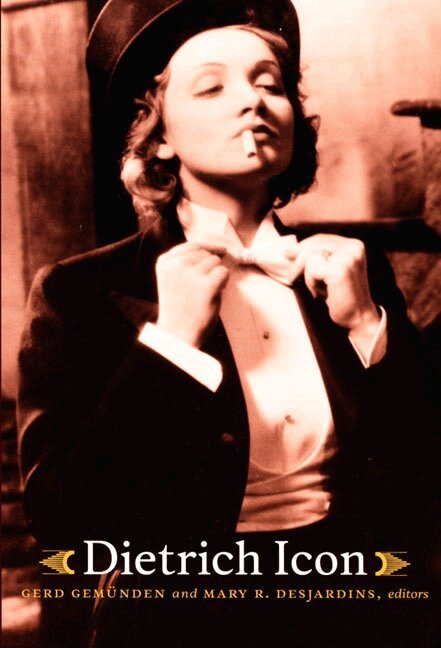
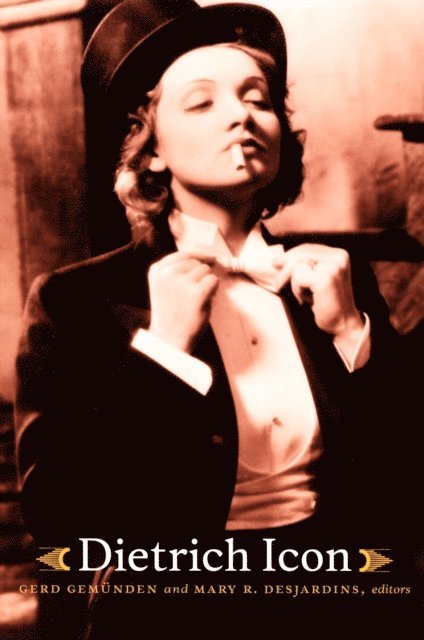
Dietrich Icon
Av Gerd Gemünden, Mary R. Desjardins
Häftad, 2007
343 kr
Lägg i varukorg
Few movie stars have meant as many things to as many different audiences as the iconic Marlene Dietrich. The actress-chanteuse had a career of some seventy years: one that included not only classical Hollywood cinema and the concert hall but also silent film in Weimar Germany, theater, musical …
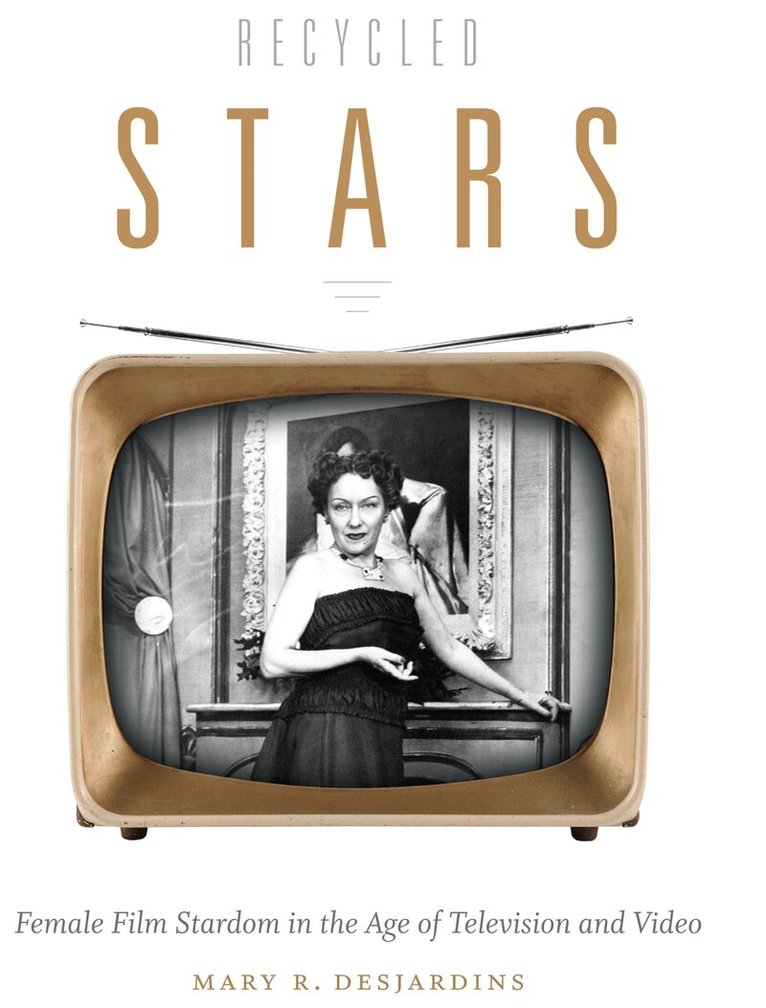
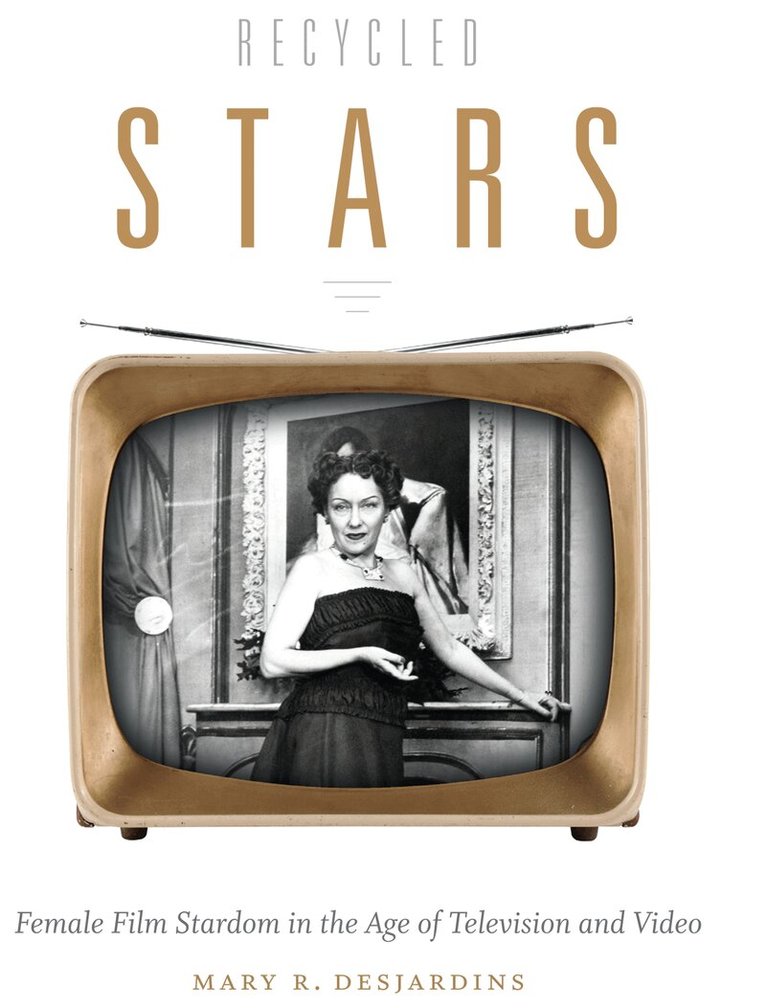
Recycled Stars
Female Film Stardom in the Age of Television and Video
Inbunden, 2015
1671 kr
Lägg i varukorg
The popularity of television in postwar suburban America had a devastating effect on the traditional Hollywood studio system. Yet many aging Hollywood stars used television to revive their fading careers. In Recycled Stars, Mary R. Desjardins examines the recirculation, ownership, and control of …
Recycled Stars
Female Film Stardom in the Age of Television and Video
Häftad, 2015
408 kr
Lägg i varukorg
The popularity of television in postwar suburban America had a devastating effect on the traditional Hollywood studio system. Yet many aging Hollywood stars used television to revive their fading careers. In Recycled Stars, Mary R. Desjardins examines the recirculation, ownership, and control of …
Recycled Stars
Female Film Stardom in the Age of Television and Video
E-bok, 2015
570 kr
Lägg i varukorg
The popularity of television in postwar suburban America had a devastating effect on the traditional Hollywood studio system. Yet many aging Hollywood stars used television to revive their fading careers. In Recycled Stars , Mary R. Desjardins examines the recirculation, ownership, and control of …
Dietrich Icon
Av Mary R. Desjardins, Gerd Gemunden
E-bok, 2007
521 kr
Lägg i varukorg
Few movie stars have meant as many things to as many different audiences as the iconic Marlene Dietrich. The actress-chanteuse had a career of some seventy years: one that included not only classical Hollywood cinema and the concert hall but also silent film in Weimar Germany, theater, musical …