Mary T. Christel – författare
444 kr
Läs direkt efter köp
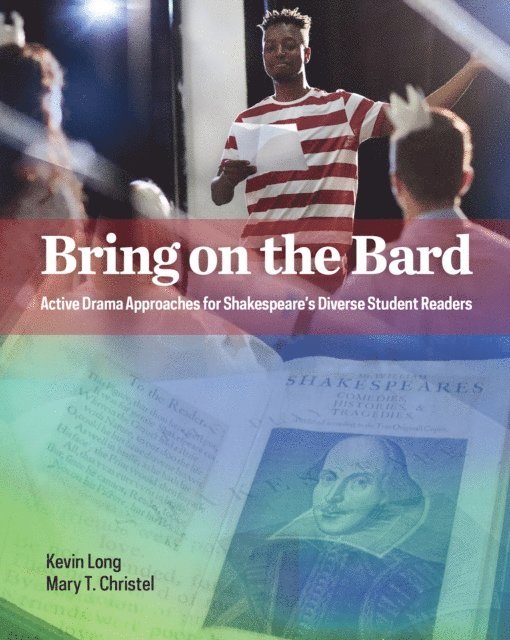
A deep dive into the rich resources available for teaching Shakespeare’s plays, Bring on the Bard is for every high school teacher—early career to veteran—looking for new, hands-on activities to draw students of all ability levels into the work and world of Shakespeare.
Shakespeare didn’t write his plays for readers; he wrote individual “cue scripts” for actors who hadn’t read the entire play but had to perform on the fly with almost no rehearsal. Those cue scripts have become the written form of his dramas, compiled originally in the First Folio of 1623. And the actors’ cues for meaning, emotion, and emphasis are still embedded in Shakespeare’s language, ripe for discovery by today’s students.
Shakespeare’s plays rightly remain a staple of the ELA curriculum, but evolving standards and youth culture itself challenge teachers to put students—not a text—at the center of a reading experience in order to support diverse readers and learners.
How can we do this?
Experienced educators Kevin Long and Mary T. Christel introduce us to the Folio technique, which builds on active drama approaches that position students to engage with a rich text through low-risk speaking and improvisation activities. Without requiring students to become actors, the Folio technique helps them to discover the clues the Bard built into his works that allow actors to efficiently understand their characters’ text, context, and subtext. Teachers can use excerpts from the First Folio along with a mass market paperback or digital edition of a play to help students get closer to Shakespeare’s intentions; understand the language, action, and emotions of the characters; and perhaps even explore the challenges the Bard’s modern editors face.
The book offers suggestions for using parallel text, graphic, and abridged editions of Shakespeare’s works, as well as activities using cue scripts and a variety of viewing experiences.
604 kr
Skickas inom 3-6 vardagar
444 kr
Läs direkt efter köp
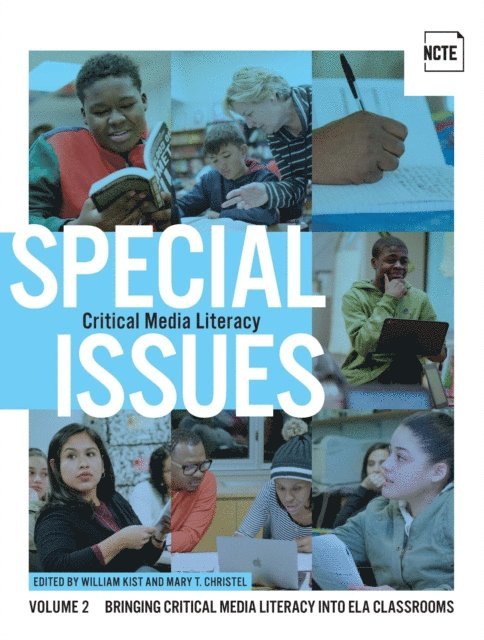
During a time of increased book banning and censoring, of scrutiny of the word critical, and even calls for surveillance of K–12 teachers, the burgeoning field of critical media literacy is more important than ever. These new challenges demonstrate the importance of teaching media literacy to address some of the most pressing needs of our youth. This second volume devoted to critical media literacy picks up where the first volume left off, as it continues the work of defining this important area of focus and looks for practical and innovative ways to bring these important topics into ELA classrooms. Editors William Kist and Mary T. Christel have curated and edited a wide range of original essays by leading educators in the field, focusing on pedagogical directions of critical media literacy, integrating it into reading, writing, and interdisciplinary instruction, and new ways of teaching about and with media.