Masayuki Ueno – författare
Visar alla böcker från författaren Masayuki Ueno. Handla med fri frakt och snabb leverans.
4 produkter
4 produkter
Inbunden, Engelska, 2025
1 095 kr
Skickas
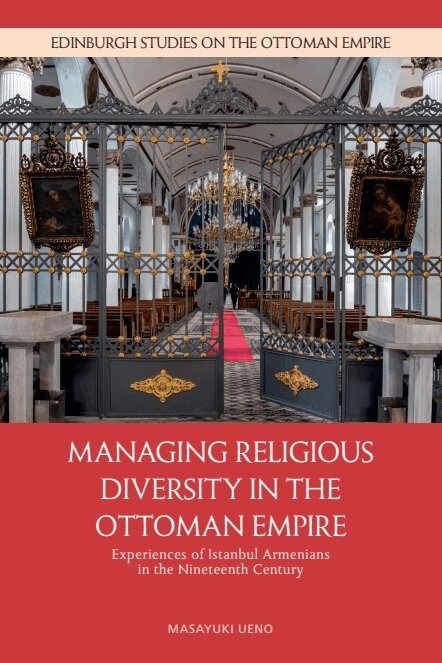
This book makes extensive use of Ottoman archival documents and Armenian sources to examine the changing arrangements between the Ottoman state and non-Muslim religious authorities from the seventeenth to the nineteenth centuries, focusing on Armenians, the second-largest non-Muslim community in the empire. Specifically, it discusses how the ruling circles of the empire reinforced their reliance on non-Muslim religious authorities at the turn of the eighteenth century, and attempted to limit the influence of non-Muslim clergymen and restrict the scope of non-Muslim communal activity from the mid-nineteenth century onwards. The book also highlights the responses of the Armenian lay and ecclesiastical elites in Istanbul, who did not sit back and watch as their rights and privileges were curtailed. Rather, they sought ways to protect and even expand their collective rights and find their place in the multireligious empire, both as individuals and as members of a religious community.
Häftad, Engelska, 2026
236 kr
Kommande
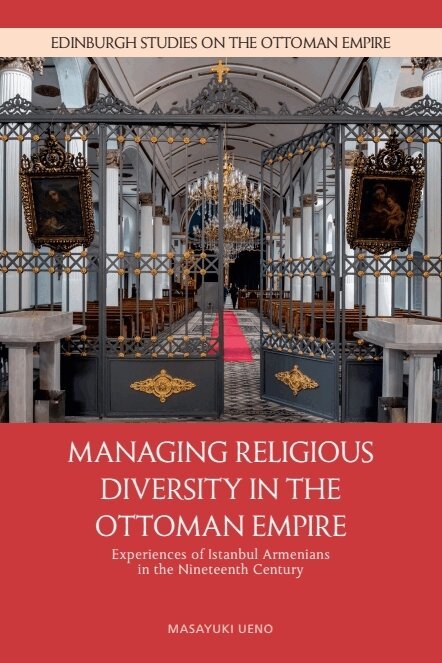
This book makes extensive use of Ottoman archival documents and Armenian sources to examine the changing arrangements between the Ottoman state and non-Muslim religious authorities from the seventeenth to the nineteenth centuries, focusing on Armenians, the second-largest non-Muslim community in the empire. Specifically, it discusses how the ruling circles of the empire reinforced their reliance on non-Muslim religious authorities at the turn of the eighteenth century, and attempted to limit the influence of non-Muslim clergymen and restrict the scope of non-Muslim communal activity from the mid-nineteenth century onwards. The book also highlights the responses of the Armenian lay and ecclesiastical elites in Istanbul, who did not sit back and watch as their rights and privileges were curtailed. Rather, they sought ways to protect and even expand their collective rights and find their place in the multireligious empire, both as individuals and as members of a religious community.
E-bok
PDF, Engelska, 2025287 kr
Läs direkt efter köp
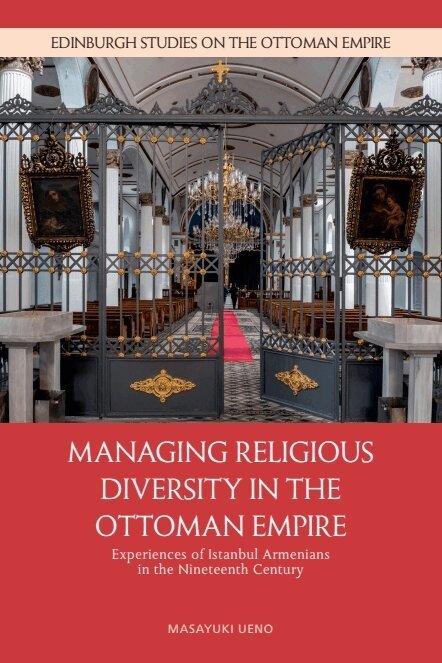
This book makes extensive use of Ottoman archival documents and Armenian sources to examine the changing arrangements between the Ottoman state and non-Muslim religious authorities from the seventeenth to the nineteenth centuries, focusing on Armenians, the second-largest non-Muslim community in the empire. Specifically, it discusses how the ruling circles of the empire reinforced their reliance on non-Muslim religious authorities at the turn of the eighteenth century, and attempted to limit the influence of non-Muslim clergymen and restrict the scope of non-Muslim communal activity from the mid-nineteenth century onwards. The book also highlights the responses of the Armenian lay and ecclesiastical elites in Istanbul, who did not sit back and watch as their rights and privileges were curtailed. Rather, they sought ways to protect and even expand their collective rights and find their place in the multireligious empire, both as individuals and as members of a religious community.
E-bok
Engelska, 2025287 kr
Läs direkt efter köp
This book makes extensive use of Ottoman archival documents and Armenian sources to examine the changing arrangements between the Ottoman state and non-Muslim religious authorities from the seventeenth to the nineteenth centuries, focusing on Armenians, the second-largest non-Muslim community in the empire. Specifically, it discusses how the ruling circles of the empire reinforced their reliance on non-Muslim religious authorities at the turn of the eighteenth century, and attempted to limit the influence of non-Muslim clergymen and restrict the scope of non-Muslim communal activity from the mid-nineteenth century onwards. The book also highlights the responses of the Armenian lay and ecclesiastical elites in Istanbul, who did not sit back and watch as their rights and privileges were curtailed. Rather, they sought ways to protect and even expand their collective rights and find their place in the multireligious empire, both as individuals and as members of a religious community.