Massimiliano Afiero – författare
Visar alla böcker från författaren Massimiliano Afiero. Handla med fri frakt och snabb leverans.
93 produkter
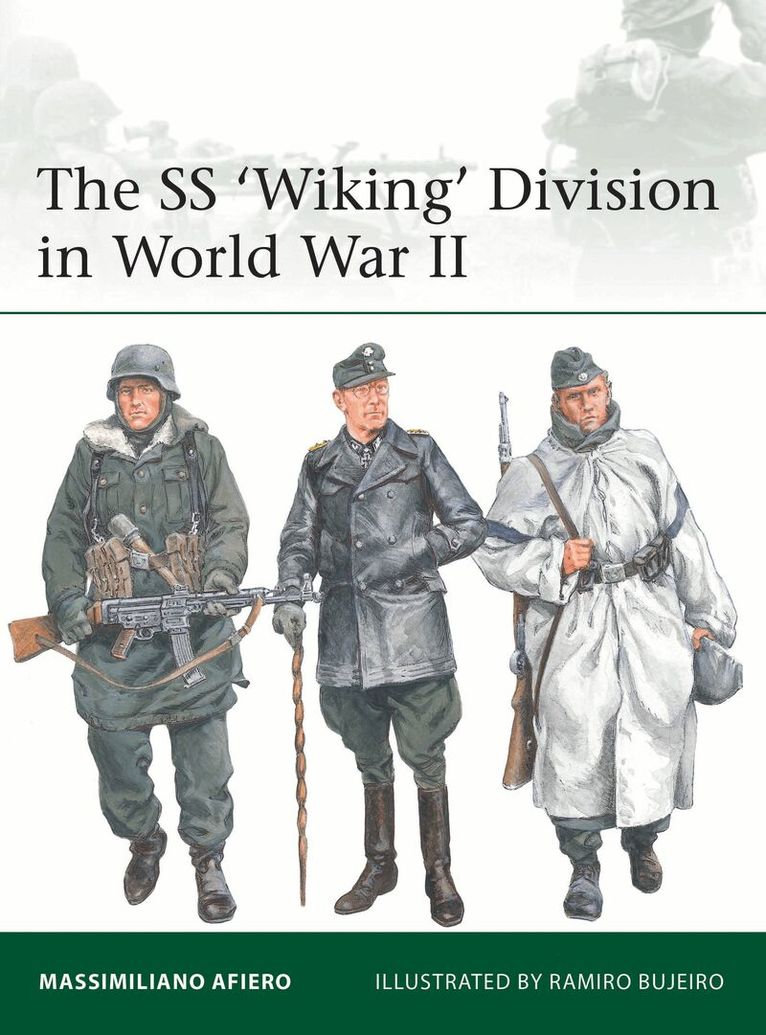
SS 'Wiking' Division in World War II
Häftad, 2026
184 kr
Lägg i varukorg
Sure to appeal to all those interested in Germany’s armed forces in World War II, this book investigates the SS ‘Wiking’ Division, from its origins to its ultimate role as a Panzer division.One of the most famous divisions in the Waffen-SS, ‘Wiking’ was the first officially to accept non-German …
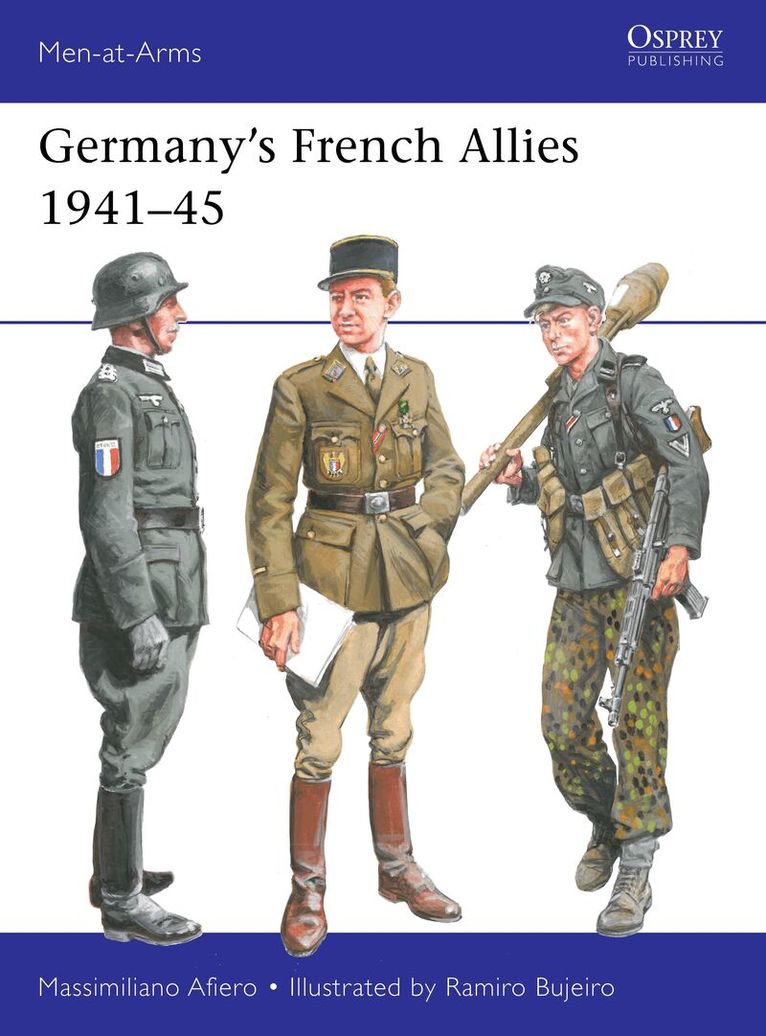
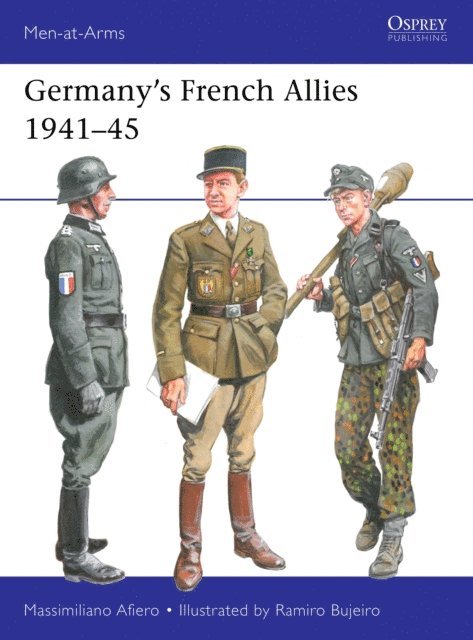
Germany’s French Allies 1941–45
Häftad, 2024
5,0 utav 5 stjärnor. Totalt antal röster: (1)
160 kr
Lägg i varukorg
A fully illustrated study of the Wehrmacht's French volunteer units and their actions on the Eastern Front and in North Africa during World War II.It is little known that, in late 1941, French volunteer units were among Wehrmacht troops defending Germany in the first bitter winter on the Eastern …
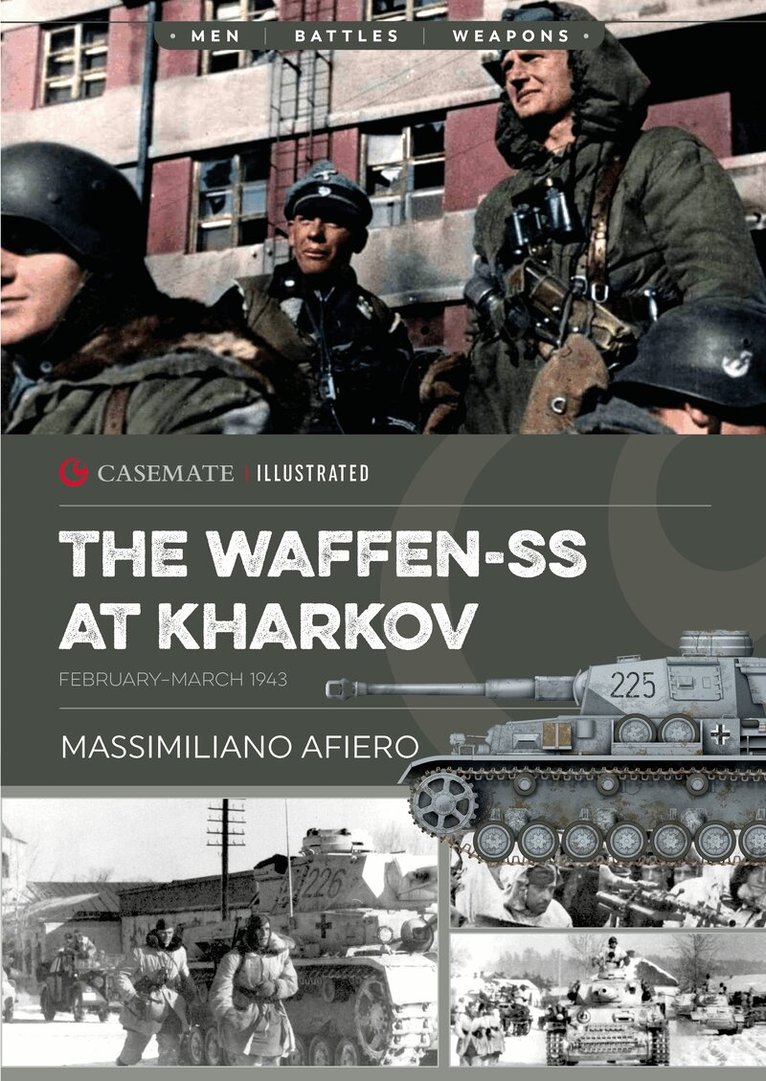
Waffen-SS at Kharkov
February-March 1943
Häftad, 2024
3,0 utav 5 stjärnor. Totalt antal röster: (1)
279 kr
Lägg i varukorg
At the beginning of 1943, the German armed forces were in crisis on the southern front in Russia. The Soviets had launched a series of offensives from November 1942 that pushed the Germans back hundreds of kilometers. The Germans had no more significant reserves available, and enormous breaches had …
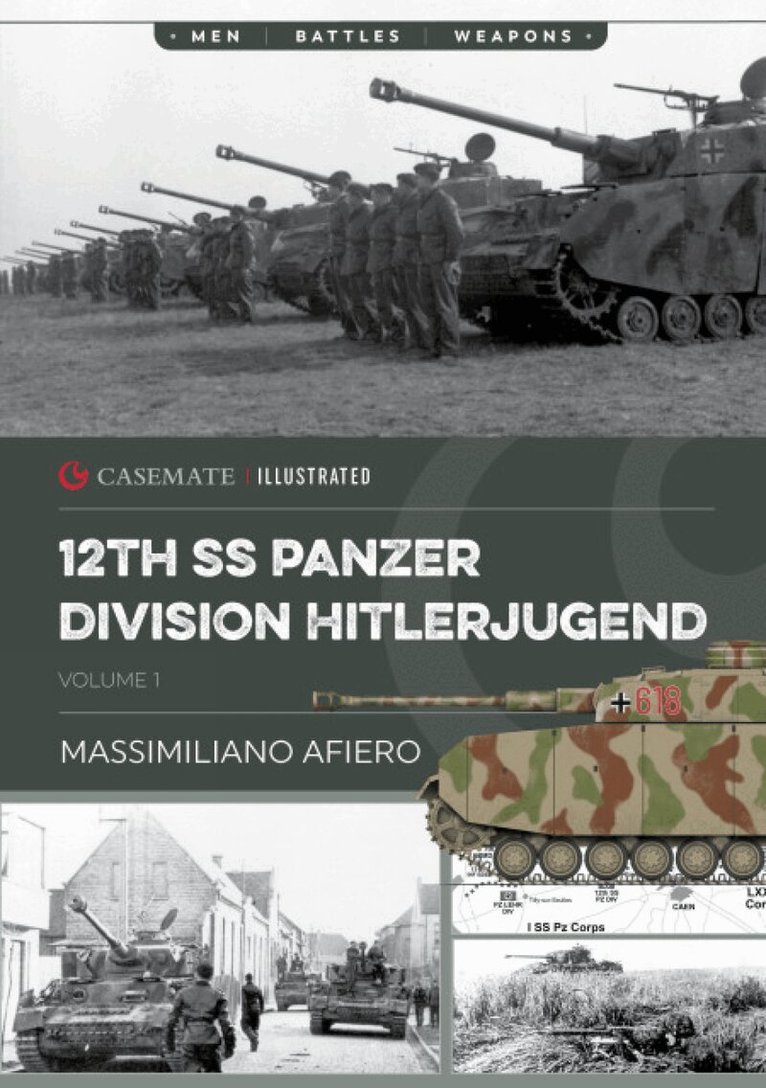
12th SS Panzer Division Hitlerjugend
From Formation to the Battle of Caen
Av Massimiliano Afiero, Raphael Riccio
Häftad, 2022
4,3 utav 5 stjärnor. Totalt antal röster: (3)
279 kr
Lägg i varukorg
Created in 1943 from members of the Hitler Youth born in 1926, the division was attached to I SS Panzer Corps in March 1944 and transferred to Normandy. Based around Caen, it was intended to repel a possible and expected invasion from the sea. When the invasion came in June, it was one of the two …
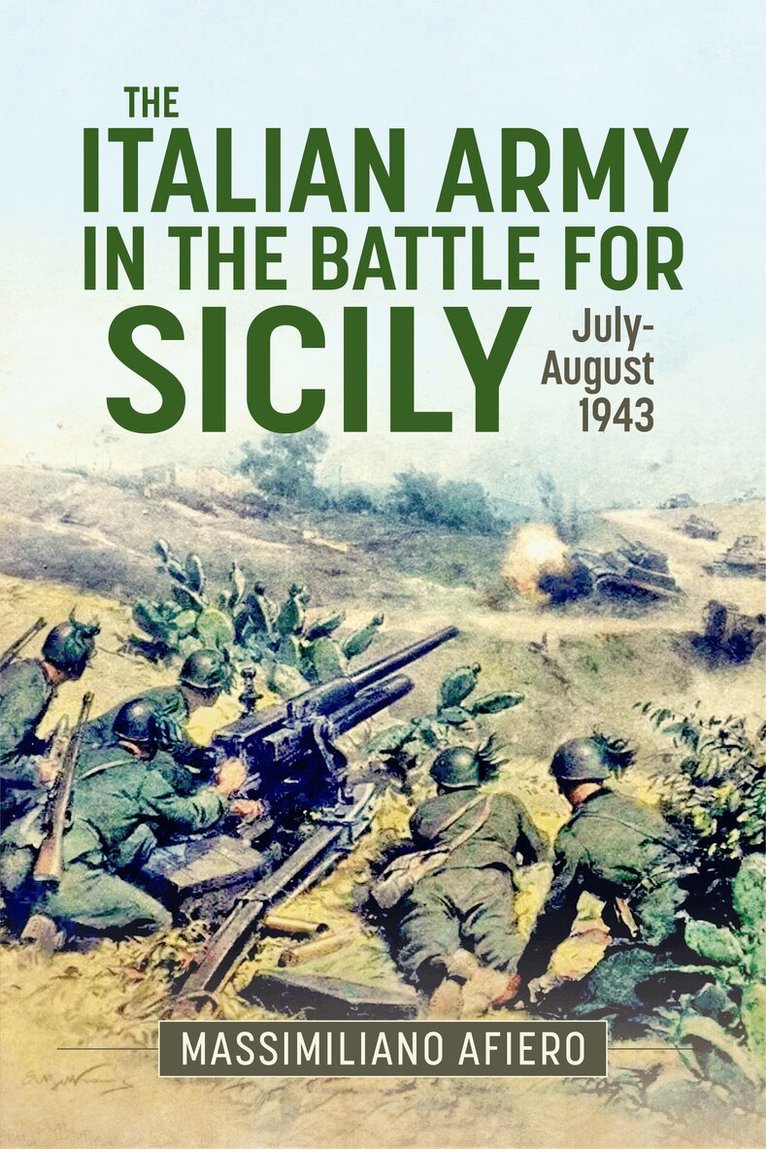
Italian Army in the Battle for Sicily July-August 1943
July-August 1943
Inbunden, 2026
333 kr
Tillfälligt slut
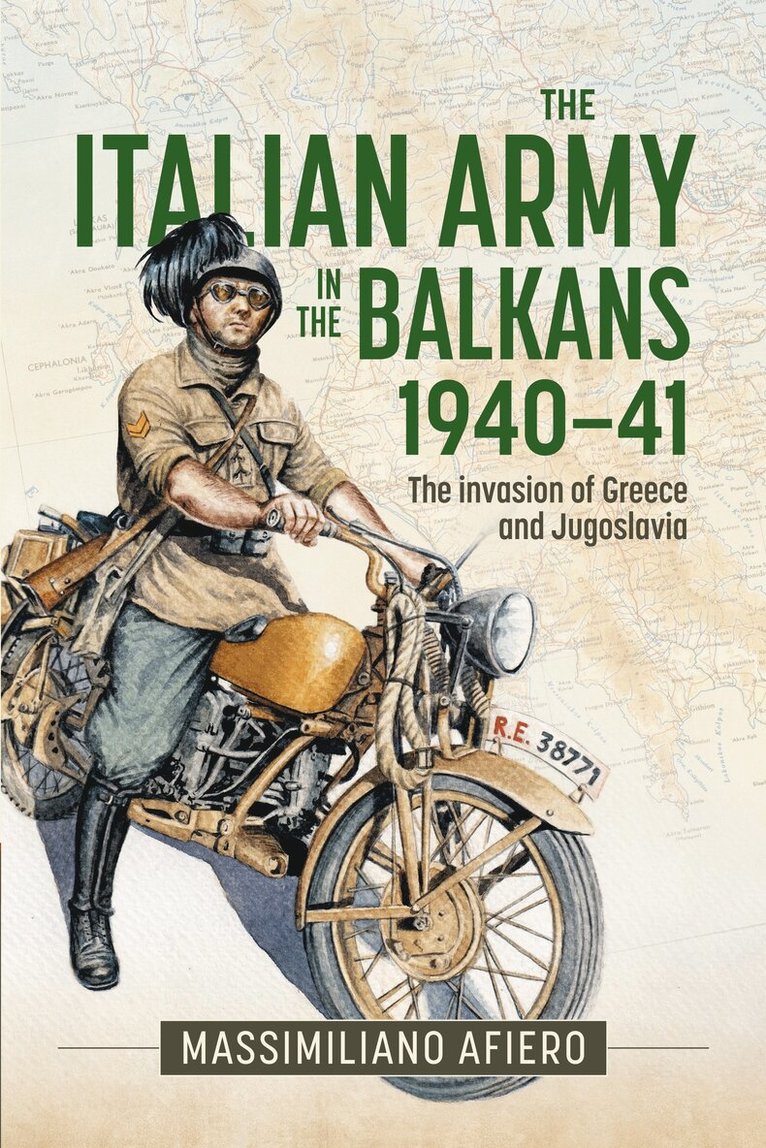
The Italian Army in the Balkans 1940-41
The invasion of Greece and Jugoslavia
Inbunden, 2025
388 kr
Lägg i varukorg
The book describes the Italian military campaign in the Balkans, between October 1940 and spring 1941, starting first with the invasion of Greece in 1940, with the Italian offensive and the subsequent Greek counter-offensive, with the consequent folding of the forces Italian in Albania. Then in the …
Italian Decima MAS 1943-45 Volume 2
Borghese’s division, the Adriatic campaigns, and the end of the Italian Social Republic 1944-45
Häftad, 2026
225 kr
Kommande
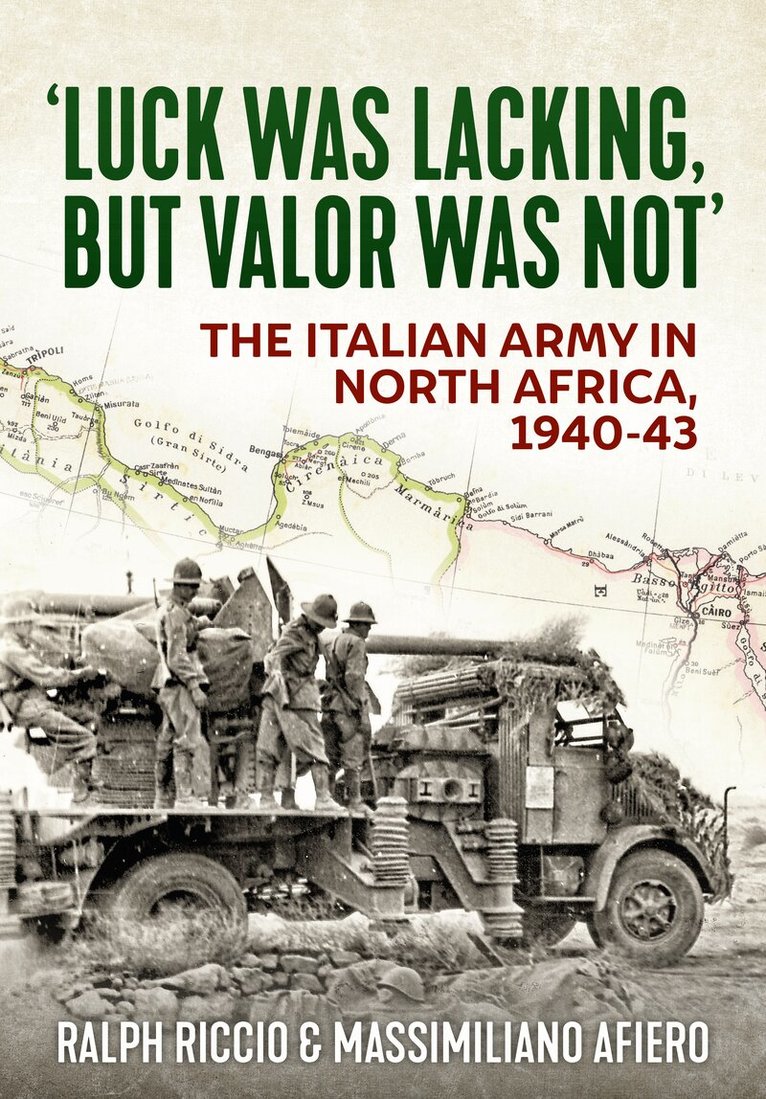
Luck Was Lacking, But Valour Was Not
The Italian Army in North Africa, 1940-43
Av Ralph Riccio, Massimiliano Afiero
Häftad, 2024
333 kr
Lägg i varukorg
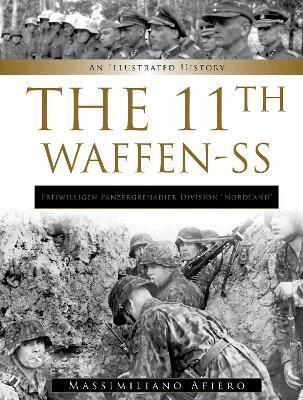
11th Waffen-SS Freiwilligen Panzergrenadier Division “Nordland”
An Illustrated History
Inbunden, 2024
5,0 utav 5 stjärnor. Totalt antal röster: (1)
454 kr
Lägg i varukorg
The 11th SS Freiwilligen (Volunteer)Panzergrenadier Division “Nordland” was formed in 1943. Despite what thename indicated, this was not an all-volunteer or fully Nordic unit. Theranks were filled with men from across Europe, many of them conscripts.A cadre of Norwegians in the Regiment 23 “Norge” …
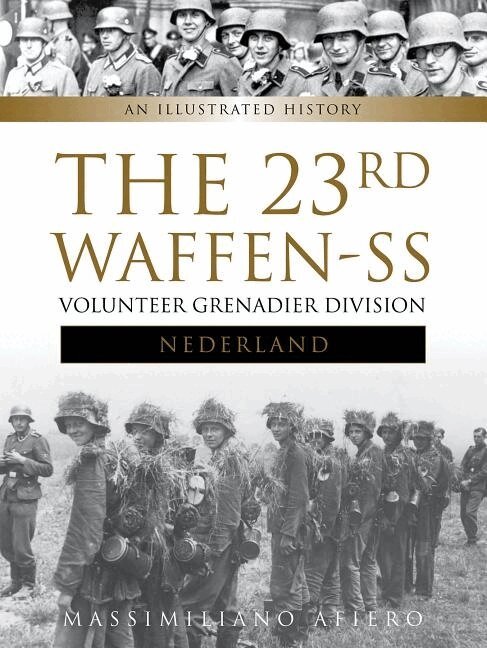
23rd Waffen-SS Volunteer Panzergrenadier Division Nederland
An Illustrated History
Inbunden, 2016
473 kr
Lägg i varukorg
This book is a detailed history of the 23rd Waffen-SS Panzergrenadier Division “Nederland,” the Dutch volunteer SS combat formation. Employed exclusively on the eastern front, except for a brief period in Croatia, the “Nederland” formations participated in many of the most difficult defensive …
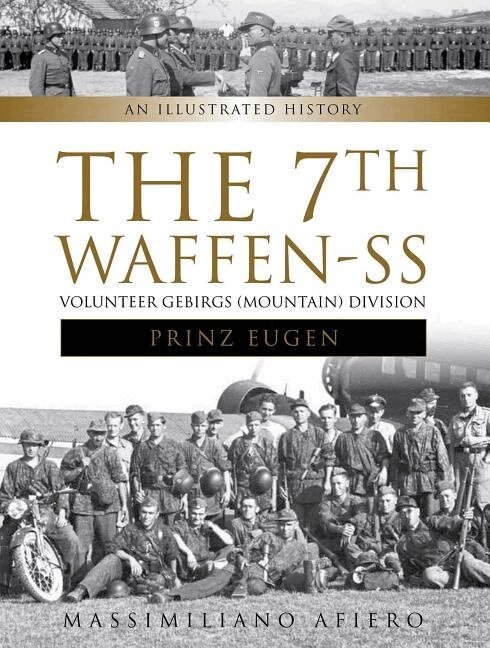
7th Waffen- SS Volunteer Gebirgs (Mountain) Division "Prinz Eugen"
An Illustrated History
Inbunden, 2017
410 kr
Lägg i varukorg
The 7th Waffen SS Mountain Division was raised for war in the rugged terrain of Yugoslavia. The unit included a huge number of Volksdeutsche, ethnic Germans recruited from outside the Reich. After numerous anti-guerrilla operations in Bosnia, Croatia, Montenegro, and Serbia, towards the end of the …
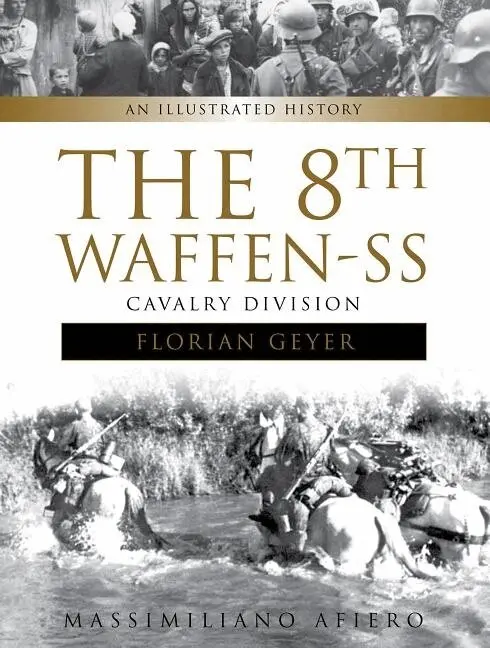
8th Waffen-SS Cavalry Division "Florian Geyer"
An Illustrated History
Inbunden, 2017
410 kr
Lägg i varukorg
Formed in 1942, the 8th SS Cavalry Division “Florian Geyer” was one of the most controversial units in the Waffen-SS. Created with the intention of making it an elite unit within the Waffen-SS, it instead saw its main employment from the beginning of the war in Russia as a rear area security force …
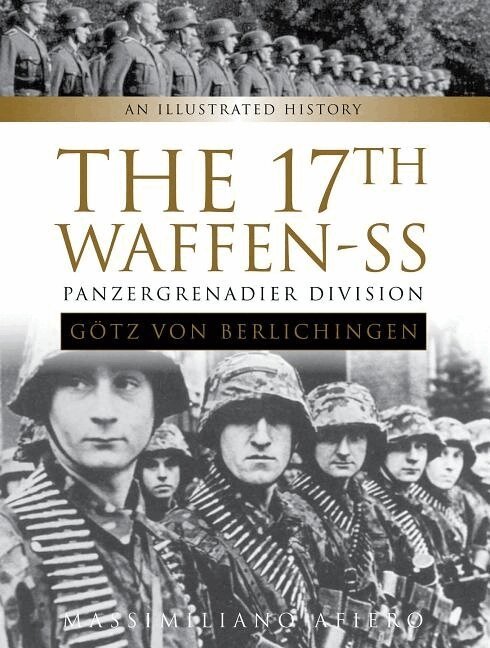
17th Waffen-SS Panzergrenadier Division "Götz von Berlichingen"
An Illustrated History
Inbunden, 2018
454 kr
Lägg i varukorg
The 17th Waffen-SS Panzergrenadier Division “Götz von Berlichingen” was one of the few SS formations to be employed exclusively on the western front during World War II. From the time of its formation in France in 1943, “Götz von Berlichingen” saw bitter and bloody fighting in Normandy, the Seine …
3rd Waffen-SS Panzer Division "Totenkopf," 1939-1943
An Illustrated History, Vol.1
Inbunden, 2018
508 kr
Lägg i varukorg
One of the most infamous of all Waffen-SS formations, the 3rd SS-Panzer Division “Totenkopf” has always been identified as the very essence of the notorious “Black Order.” Associated with war crimes in official historiography, formed initially with personnel coming from guard units from …
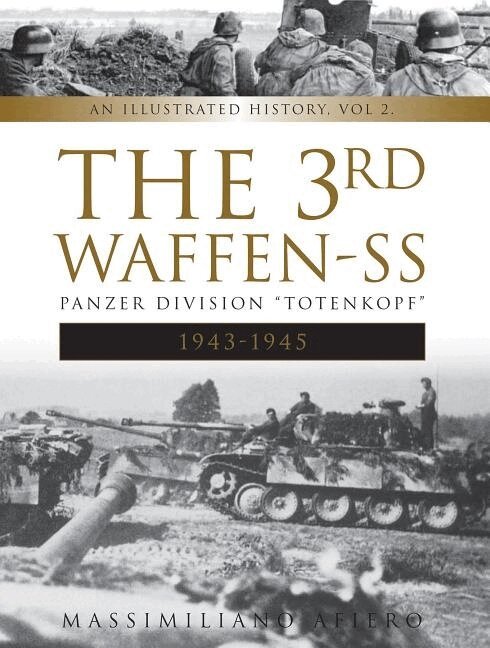
3rd Waffen-SS Panzer Division "Totenkopf," 1943-1945
An Illustrated History, Vol.2
Inbunden, 2018
508 kr
Lägg i varukorg
One of the most infamous of all Waffen-SS formations, the 3rd SS-Panzer-Division “Totenkopf” has always been identified as the very essence of the notorious “Black Order.” Associated with war crimes in official historiography, formed initially with personnel coming from guard units from …
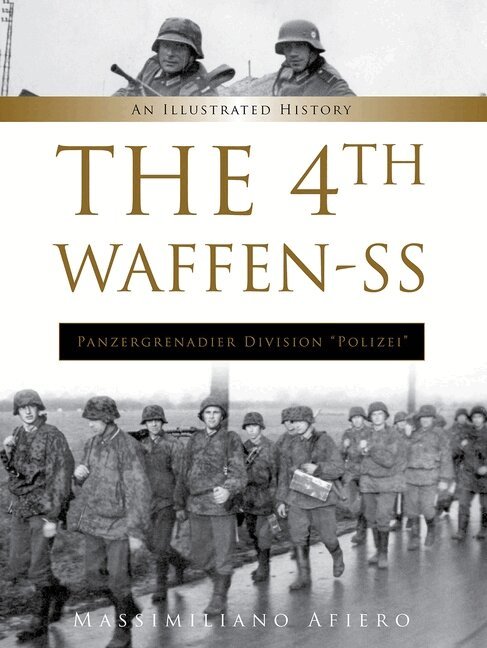
4th Waffen-SS Panzergrenadier Division "Polizei"
An Illustrated History
Inbunden, 2021
4,0 utav 5 stjärnor. Totalt antal röster: (1)
508 kr
Lägg i varukorg
The Polizei Division first took shape in 1939, drawing manpower from the civilian police. In February 1942, the unit was transferred to the Waffen-SS and redesignated SS-Polizei-Division(4.SS). The former policemen appeared on the Western Front in 1940, before being shipped to the Leningrad sector …
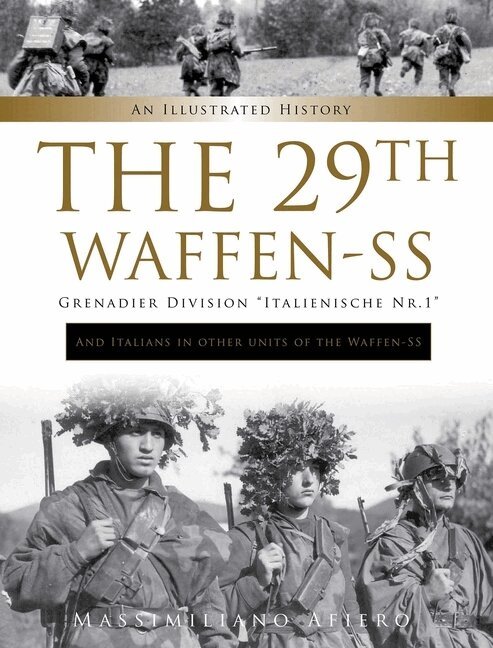
29th Waffen-SS Grenadier Division "Italienische Nr.1": And Italians in Other Units of the Waffen-SS
An Illustrated History
Inbunden, 2022
4,0 utav 5 stjärnor. Totalt antal röster: (1)
356 kr
Lägg i varukorg
The Italian government signed an armistice with the Allies on September 8, 1943, but that did not mean the war was over in Italy. Italians continued to fight on both sides for the duration of the war. This study is focused on Italian volunteers in formations of the Waffen-SS. These include the SS …
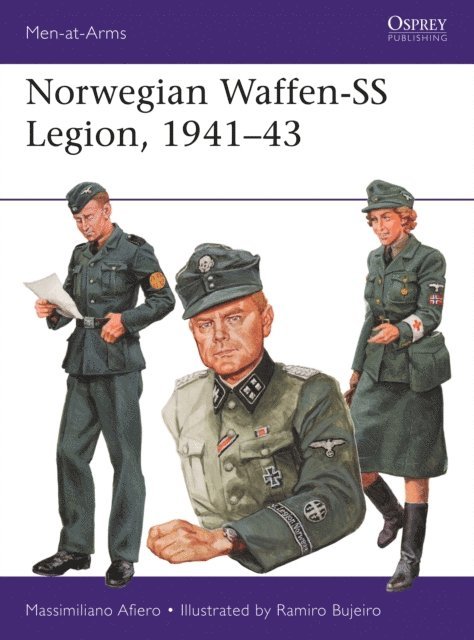
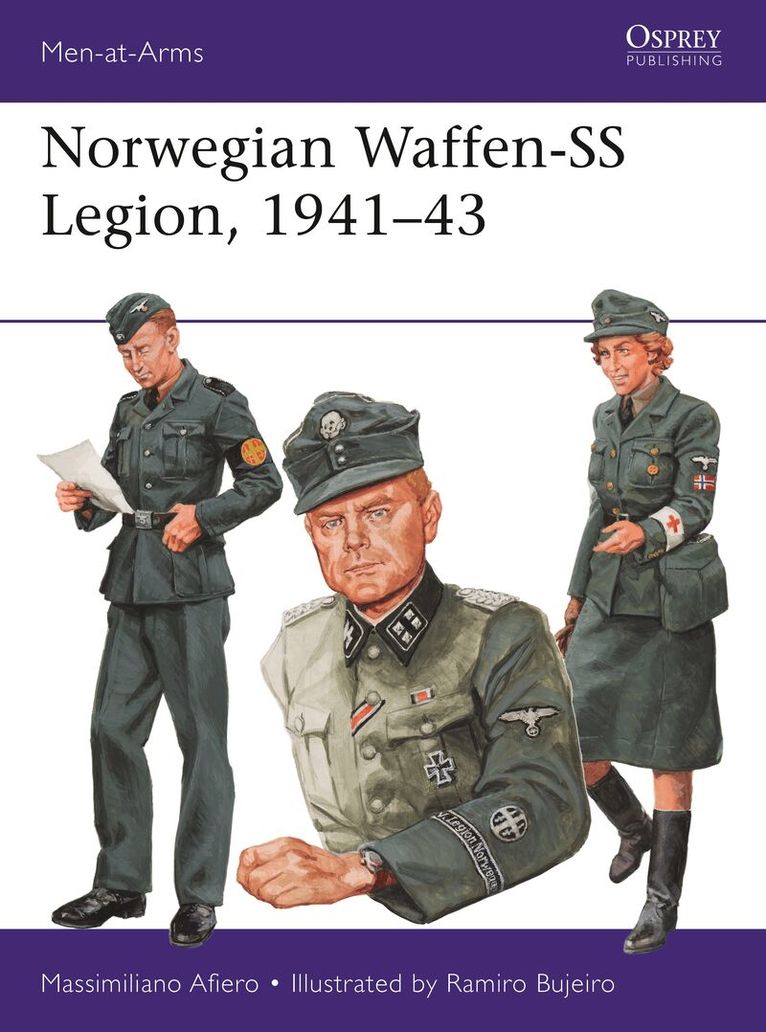
Norwegian Waffen-SS Legion, 1941–43
E-bok, 2019
186 kr
Lägg i varukorg
Following the Nazi occupation of Norway in 1941, the Waffen-SS began recruiting volunteers to serve in their ranks. Initially formed into small volunteer units, these developed into large divisions by 1943, referred to as ''Legions'' in Nazi propaganda. Early volunteers were promised that they …
Norwegian Waffen-SS Legion, 1941–43
E-bok, 2019
182 kr
Lägg i varukorg
Following the Nazi occupation of Norway in 1941, the Waffen-SS began recruiting volunteers to serve in their ranks. Initially formed into small volunteer units, these developed into large divisions by 1943, referred to as ''Legions'' in Nazi propaganda. Early volunteers were promised that they …
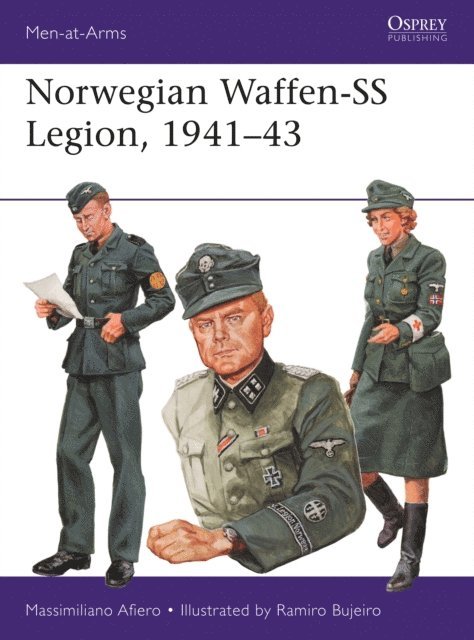
Norwegian Waffen-SS Legion, 1941–43
Häftad, 2019
162 kr
Lägg i varukorg
Following the Nazi occupation of Norway in 1941, the Waffen-SS began recruiting volunteers to serve in their ranks.Initially formed into small volunteer units, these developed into large divisions by 1943, referred to as ‘Legions’ in Nazi propaganda. Early volunteers were promised that they would …
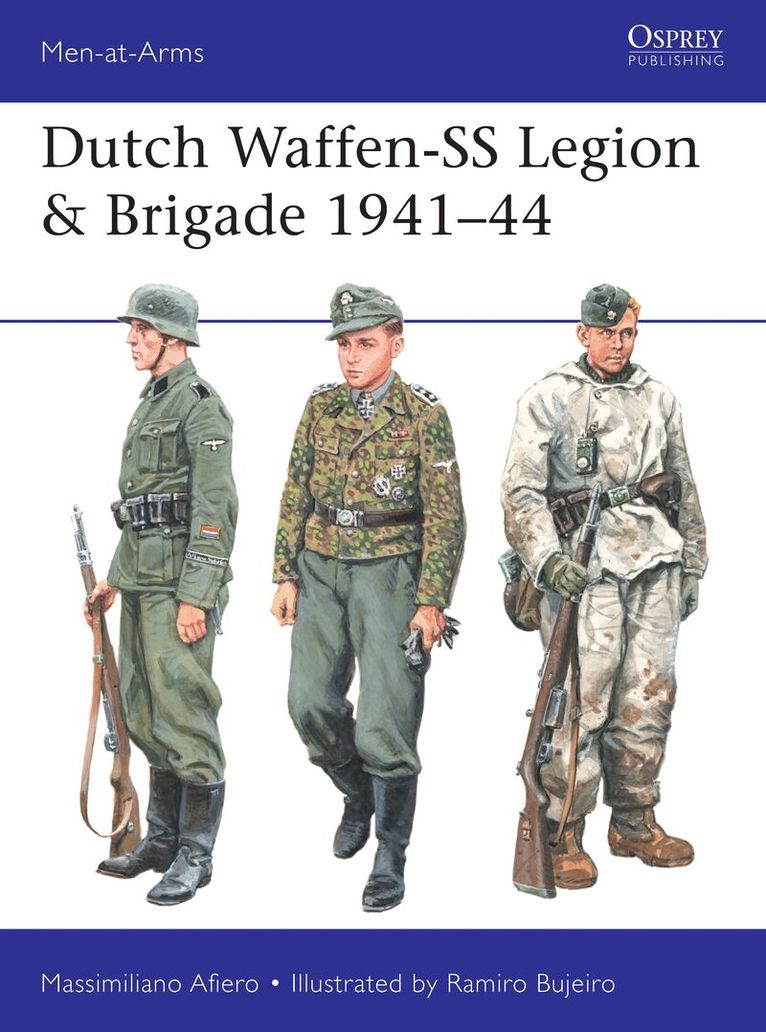
Dutch Waffen-SS Legion & Brigade 1941–44
E-bok, 2020
171 kr
Lägg i varukorg
Goebbels'' 1941 propaganda campaign to present Germany''s invasion of the USSR as a battle for European civilization against Asian barbarism convinced many men in occupied ''Germanic'' European countries, such as Scandinavia and the Low Countries, to volunteer to fight on the Russian Front. One of …
Dutch Waffen-SS Legion & Brigade 1941–44
Häftad, 2020
160 kr
Lägg i varukorg
Goebbels’ 1941 propaganda campaign to present Germany's invasion of the USSR as a battle for European civilization against Asian barbarism convinced many men in occupied 'Germanic' European countries, such as Scandinavia and the Low Countries, to volunteer to fight on the Russian Front.One of the …
Dutch Waffen-SS Legion & Brigade 1941–44
E-bok, 2020
168 kr
Lägg i varukorg
Goebbels'' 1941 propaganda campaign to present Germany''s invasion of the USSR as a battle for European civilization against Asian barbarism convinced many men in occupied ''Germanic'' European countries, such as Scandinavia and the Low Countries, to volunteer to fight on the Russian Front. One of …
Belgian Waffen-SS Legions & Brigades, 1941–1944
Wallonie, Wallonien, Flandern & Langemarck
E-bok, 2021
186 kr
Lägg i varukorg
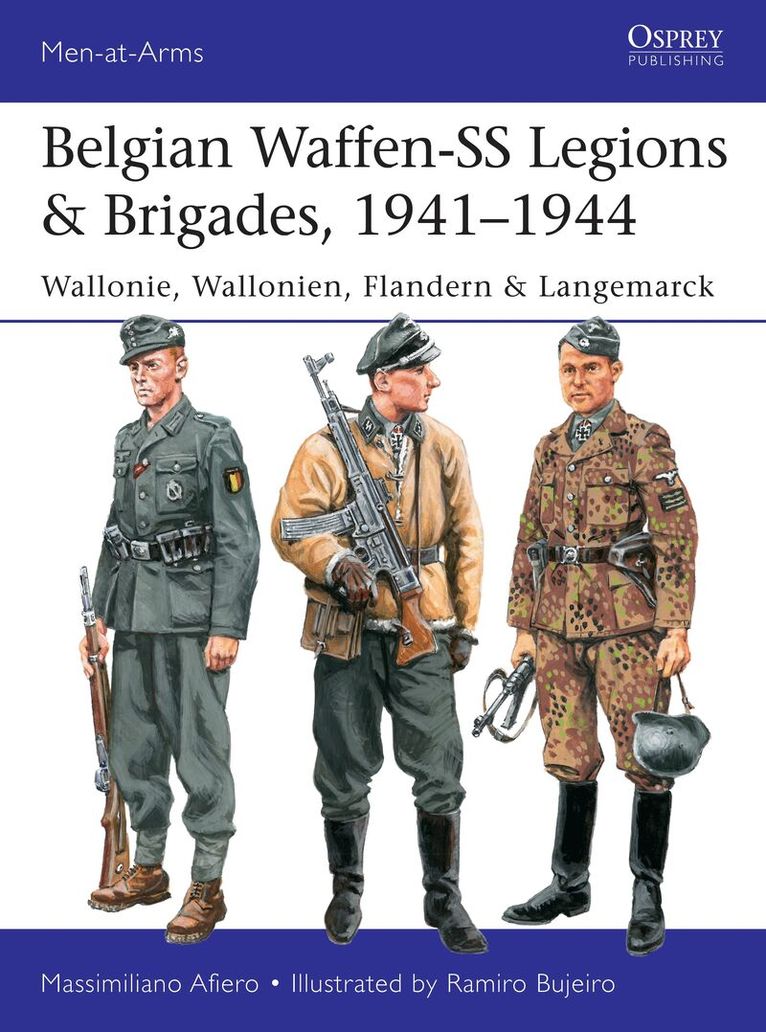
From the German occupation of Belgium in May 1940, Flemish recruits from northern Belgium considered by the Nazis to be ''Germanic'' were accepted individually into Waffen-SS units. From Hitler''s invasion of the USSR in June 1941, additional recruits from the French-speaking south (Wallonia) were …
Belgian Waffen-SS Legions & Brigades, 1941–1944
Wallonie, Wallonien, Flandern & Langemarck
Häftad, 2021
162 kr
Lägg i varukorg
From the German occupation of Belgium in May 1940, Flemish recruits from northern Belgium – considered by the Nazis to be 'Germanic' – were accepted individually into Waffen-SS units.From Hitler's invasion of the USSR in June 1941, additional recruits from the French-speaking south (Wallonia) were …
Belgian Waffen-SS Legions & Brigades, 1941–1944
Wallonie, Wallonien, Flandern & Langemarck
E-bok, 2021
186 kr
Lägg i varukorg
From the German occupation of Belgium in May 1940, Flemish recruits from northern Belgium considered by the Nazis to be ''Germanic'' were accepted individually into Waffen-SS units. From Hitler''s invasion of the USSR in June 1941, additional recruits from the French-speaking south (Wallonia) were …
Germany’s French Allies 1941–45
E-bok, 2024
186 kr
Lägg i varukorg
A fully illustrated study of the Wehrmacht''s French volunteer units and their actions on the Eastern Front and in North Africa during World War II. It is little known that, in late 1941, French volunteer units were among Wehrmacht troops defending Germany in the first bitter winter on the Eastern …
Germany’s French Allies 1941–45
E-bok, 2024
186 kr
Lägg i varukorg
A fully illustrated study of the Wehrmacht''s French volunteer units and their actions on the Eastern Front and in North Africa during World War II. It is little known that, in late 1941, French volunteer units were among Wehrmacht troops defending Germany in the first bitter winter on the Eastern …