Mateusz Urban – författare
Visar alla böcker från författaren Mateusz Urban. Handla med fri frakt och snabb leverans.
3 produkter
3 produkter
E-bok
PDF, Engelska, 2025752 kr
Läs direkt efter köp
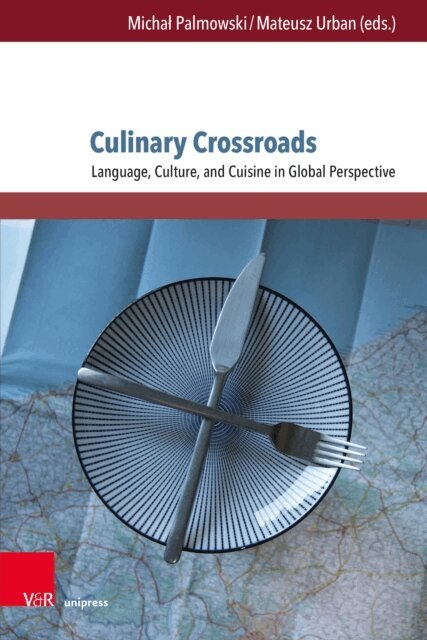
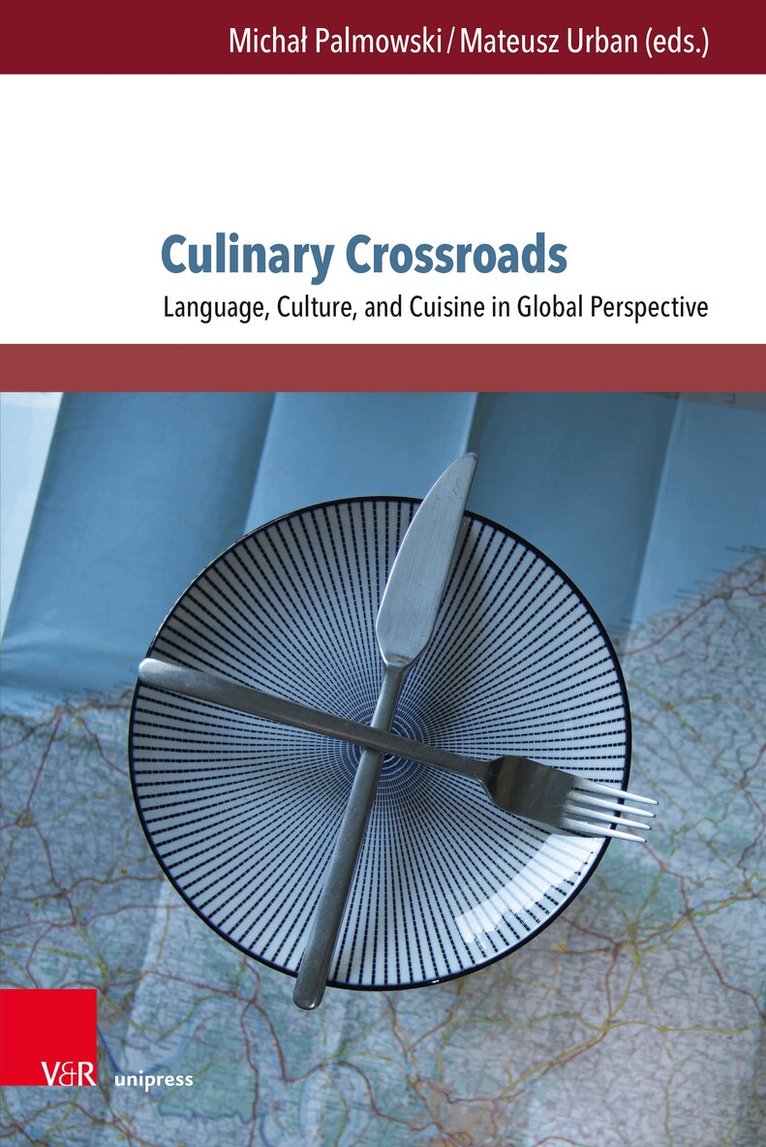
The volume traces etymologies, unpacks recipes, explores translation strategies, and analyzes food-related cultural narratives. Topics range from Italian cookbooks and Persian bread-making to Portuguese loanwords in French food terms, Polish adaptations of Chinese cuisine, the origins of pastrami, Steinbeck's wartime food descriptions, and fasting during the English Reformation. Spanning disciplines and continents, the contributions offer a rich exploration of food's cultural and linguistic significance. As food studies continues to expand into new territories - interweaving linguistic, digital, and cultural approaches - this volume contributes to the ongoing conversation about the role of food in shaping our past, understanding our present, and influencing our future.
Inbunden, Engelska, 2025
820 kr
Skickas inom 3-6 vardagar
Häftad, Engelska, 2015
479 kr
Skickas inom 5-8 vardagar
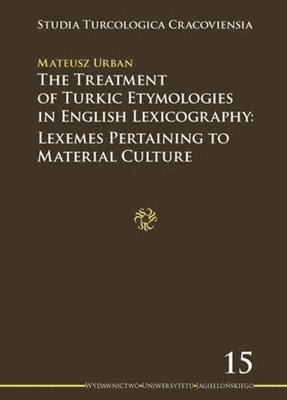
The work offers a detailed analysis of Anglo-Turkiccultural and linguistic relations as reflected in Englishvocabulary between the 16th and early 20th centuries.Words attested in historical English texts forwhich a Turkic language acted as an etymologicallink have not yet received a monograph treatmentand the information to be found in etymological dictionariesof English is usually hardly adequate. Theaim of the current book is to rectify this situation.The main part of the study is an etymological dictionaryof 106 lexical items related to material culturethat were adopted from Turkic or via Turkic, whetherdirectly or not. For each entry a chronological list oforthographic variants is provided, followed by a summaryof information on the word's etymology to befound in selected etymological dictionaries of English.A critical survey of these is the point of departure forthe author's own commentary. Through careful analysisof contexts in which the new lexical items cameto be used in English as well as a thorough scrutinyof their formal features the author reconstructs thetransmission routes along which the vocabulary inquestion was transmitted into English.