Matthew Seet – författare
Visar alla böcker från författaren Matthew Seet. Handla med fri frakt och snabb leverans.
3 produkter
3 produkter
Häftad, Engelska, 2026
1 894 kr
Kommande
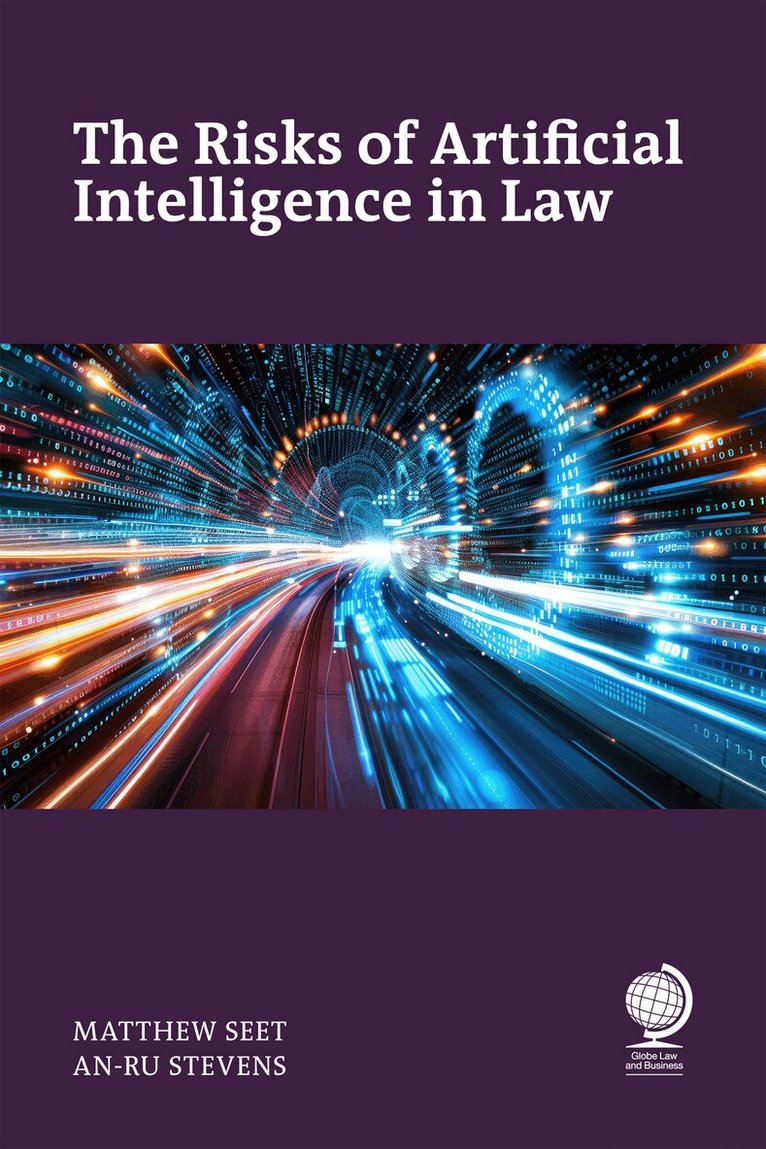
AI is reshaping the legal industry, transforming practices, and influencing behaviours of legal tech buyers and vendors alike. However, AI adoption introduces complex risks that require careful consideration. The Risks of Artificial Intelligence in Law is devoted exclusively to AI risks in law. Drawing upon the candid insights of over 30 legal professionals and technologists across various legal jurisdictions and the legal ecosystem, including voices from users and solutions providers, the authors provide balanced, peer-validated perspectives. Bearing in mind the rapid pace of AI development, this book goes beyond the legal and technological risks often discussed in general responsible AI debates (such as privacy, intellectual property, and reliability risks), to also analyse the operational and cultural risks faced by legal professionals.Privacy risks include breaches of confidentiality when lawyers use public AI tools, exposing sensitive client information to unintended parties. Intellectual property risks arise when external vendors gain access to proprietary legal team data, raising questions about ownership and misuse. Reliability risks are equally pressing – inaccurate AI outputs can lead to flawed advice, while the “black box” nature of some systems complicates accountability and adds verification costs. Operational risks reflect the other side of the coin – the cost of failing to use AI effectively. Lawyers that lag behind in adoption may lose efficiencies, opportunities, and ultimately market position. Cultural risks have the potential for profound long-term impact: generational divides in adoption, complacency among experienced practitioners, and diminished opportunities for junior lawyers to learn through traditional methods. Each chapter concludes by briefly outlining the strategic solutions legal teams may adopt to mitigate the risks discussed. For readers grappling with stalled pilots, disillusionment, or uncertainty, this book offers practical guidance to build literacy, manage risk, and make informed decisions in an evolving landscape.
Häftad, Engelska, 2026
287 kr
Skickas inom 3-6 vardagar
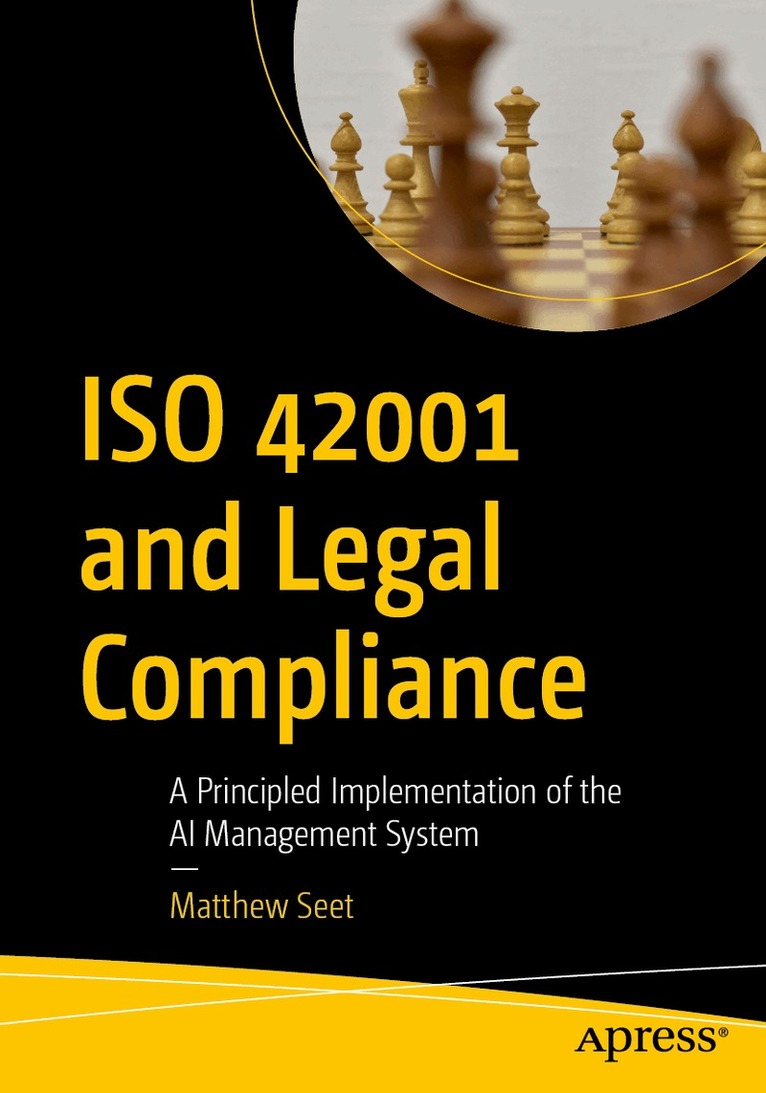
ISO/IEC 42001:2023 is the world-first standard for managing AI responsibly. It addresses the unique challenges AI poses, such as ethical considerations, transparency, and continuous learning. This voluntary international standard on AI management systems is growing in importance. With increased concerns over—and distrust of—the use of AI, more and more consumers and clients are likely to require their vendors to be ISO/IEC 42001:2023-certified, and more organizations in all industries and of all sizes are likely to implement AI management systems on their own.Part of this AI management system’s implementation process involves taking into consideration “legal requirements.” However, many implementers have trouble understanding the basic concepts of AI law. In preparation for the increasing regulation of AI across the globe, this book aims to methodically connect the dots between the technical standard and domestic, regional, and international laws relating to AI, mapping the technical standard’s clauses and controls to the relevant legal provisions.This book will explain the law in a comprehensible way to the implementer of the AI management system (regardless of whether they are legally trained), and adopt a comparative approach: given their extra-territorial reach (the ‘Brussels effect’), the EU AI Act, and the GDPR will be regarded as the benchmarks, contrasted with examples from other jurisdictions which are likely to use these regulations as starting points for their drafting of new AI laws.This book will ground the discussion in AI ethics (while avoiding abstract principles in this practical guide), and will be structured according to the ethical principles of privacy, security, fairness, transparency and explainability. This structure aims to revitalize and provide a unique interpretation of what is often perceived as a dry, procedural standard.What You Will Learn:Both the standard and the organization which set it, and the relevance of law.The context, relevance and role of legal requirements in the standard.Understand how their implementation of the AIMS supports ethical AI principles of privacy, security, fairness, transparency and explainability.Know the applicable laws at various stages of the implementation process of the AIMS.Appreciate the international nature of this standard despite varying regulations. Who This Book is for:Anyone tasked specifically with the implementation of an AIMS according to ISO/IEC 42001:2023. For all industries and organizations.
E-bok
Engelska, 2026315 kr
Läs direkt efter köp
ISO/IEC 42001:2023 is the world-first standard for managing AI responsibly. It addresses the unique challenges AI poses, such as ethical considerations, transparency, and continuous learning. This voluntary international standard on AI management systems is growing in importance. With increased concerns over-and distrust of-the use of AI, more and more consumers and clients are likely to require their vendors to be ISO/IEC 42001:2023-certified, and more organizations in all industries and of all sizes are likely to implement AI management systems on their own.Part of this AI management system s implementation process involves taking into consideration legal requirements. However, many implementers have trouble understanding the basic concepts of AI law. In preparation for the increasing regulation of AI across the globe, this book aims to methodically connect the dots between the technical standard and domestic, regional, and international laws relating to AI, mapping the technical standard s clauses and controls to the relevant legal provisions.This book will explain the law in a comprehensible way to the implementer of the AI management system (regardless of whether they are legally trained), and adopt a comparative approach: given their extra-territorial reach (the Brussels effect ), the EU AI Act, and the GDPR will be regarded as the benchmarks, contrasted with examples from other jurisdictions which are likely to use these regulations as starting points for their drafting of new AI laws.This book will ground the discussion in AI ethics (while avoiding abstract principles in this practical guide), and will be structured according to the ethical principles of privacy, security, fairness, transparency and explainability. This structure aims to revitalize and provide a unique interpretation of what is often perceived as a dry, procedural standard.What You Will Learn: Both the standard and the organization which set it, and the relevance of law. The context, relevance and role of legal requirements in the standard. Understand how their implementation of the AIMS supports ethical AI principles of privacy, security, fairness, transparency and explainability. Know the applicable laws at various stages of the implementation process of the AIMS. Appreciate the international nature of this standard despite varying regulations. Who This Book is for:Anyone tasked specifically with the implementation of an AIMS according to ISO/IEC 42001:2023. For all industries and organizations.