Matthias Ripp – författare
Visar alla böcker från författaren Matthias Ripp. Handla med fri frakt och snabb leverans.
10 produkter
50 Years World Heritage Convention: Shared Responsibility – Conflict & Reconciliation
Av Marie-Theres Albert, Roland Bernecker m. fl.
Inbunden, 2022
552 kr
Lägg i varukorg
This open access book identifies various forms of heritage destruction and analyses their causes. It proposes strategies for avoiding and solving conflicts, based on integrating heritage into the 2030 Agenda for Sustainable Development. It reflects on the identity-building role of heritage, on …
50 Years World Heritage Convention: Shared Responsibility – Conflict & Reconciliation
Av Marie-Theres Albert, Roland Bernecker m. fl.
Häftad, 2022
443 kr
Lägg i varukorg
This open access book identifies various forms of heritage destruction and analyses their causes. It proposes strategies for avoiding and solving conflicts, based on integrating heritage into the 2030 Agenda for Sustainable Development. It reflects on the identity-building role of heritage, on …
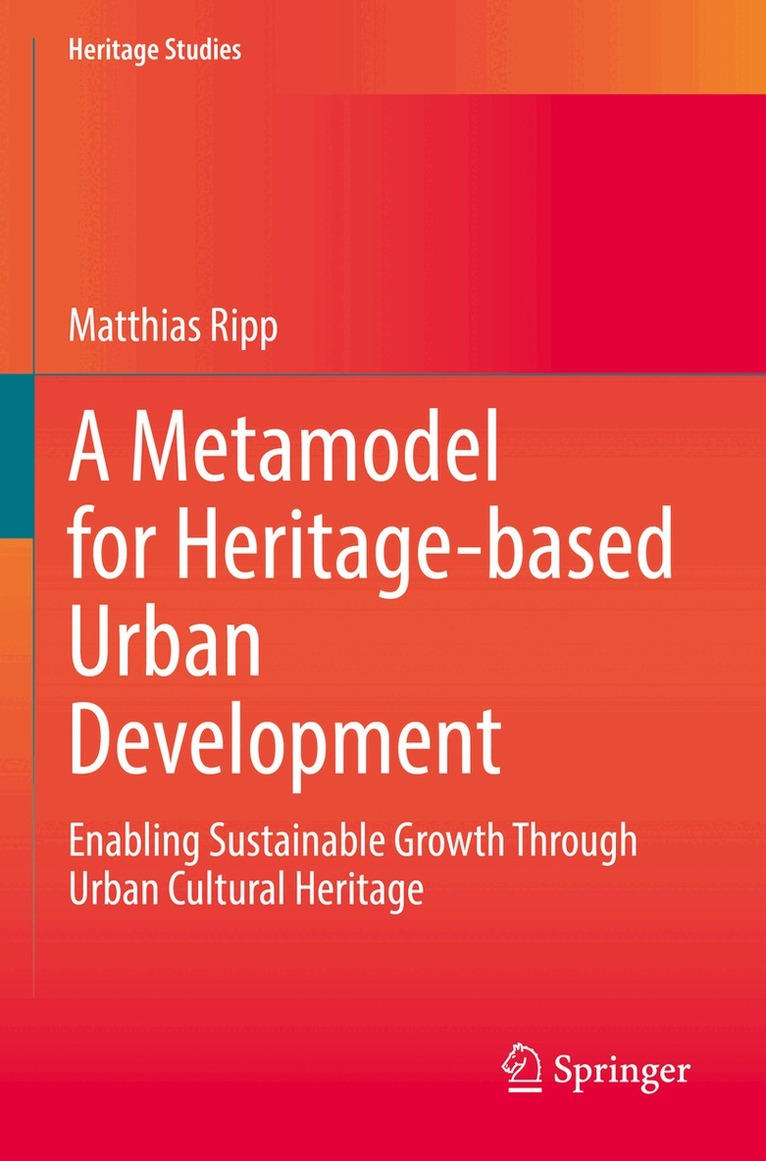
Metamodel for Heritage-based Urban Development
Enabling Sustainable Growth Through Urban Cultural Heritage
Inbunden, 2022
1098 kr
Lägg i varukorg
This book proposes a Metamodel for heritage-based urban development, based on urban morphology, governance theory, and the metamodeling concept of John P. Van Gigch. Building on international policies such as the 2011 Recommendation for Historic Urban Landscapes and the results of the 2016 Urban …
Metamodel for Heritage-based Urban Development
Enabling Sustainable Growth Through Urban Cultural Heritage
E-bok, 2022
1427 kr
Lägg i varukorg
This book proposes a Metamodel for heritage-based urban development, based on urban morphology, governance theory, and the metamodeling concept of John P. Van Gigch. Building on international policies such as the 2011 Recommendation for Historic Urban Landscapes and the results of the 2016 Urban …
Metamodel for Heritage-based Urban Development
Enabling Sustainable Growth Through Urban Cultural Heritage
Häftad, 2023
1098 kr
Lägg i varukorg
This book proposes a Metamodel for heritage-based urban development, based on urban morphology, governance theory, and the metamodeling concept of John P. Van Gigch. Building on international policies such as the 2011 Recommendation for Historic Urban Landscapes and the results of the 2016 Urban …
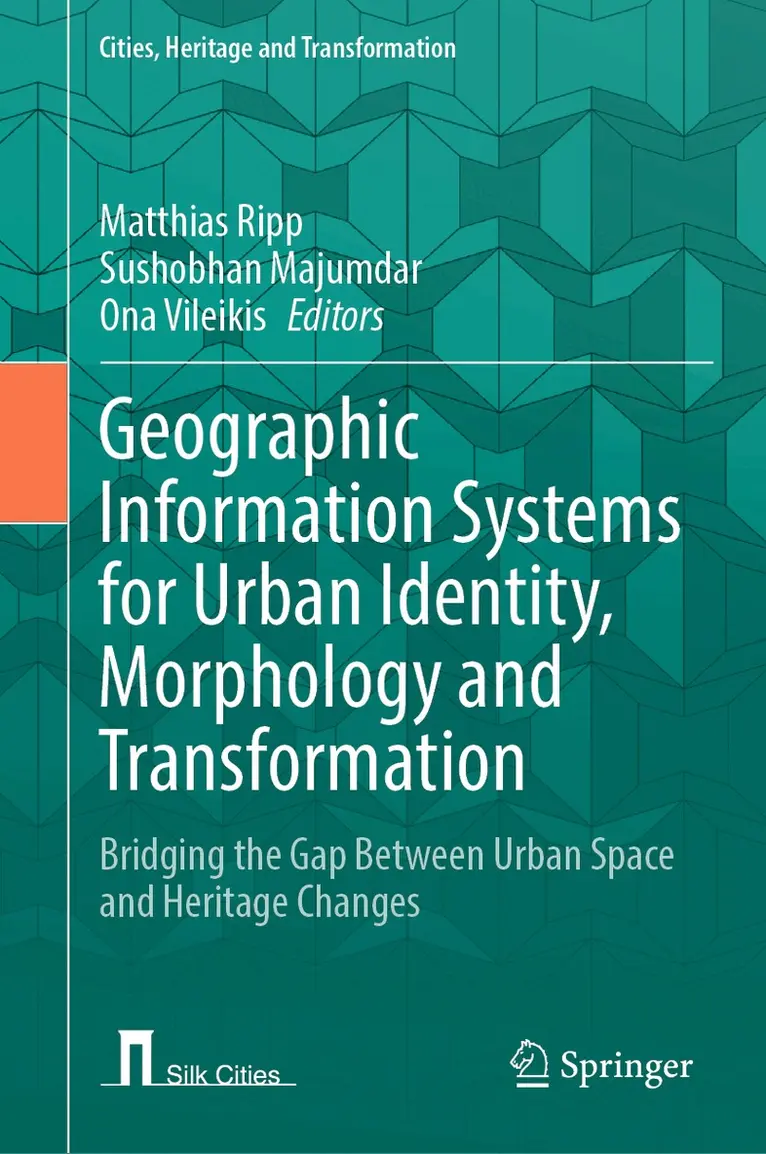
Geographic Information Systems for Urban Identity, Morphology and Transformation
Bridging the Gap Between Urban Space and Heritage Changes
Av Matthias Ripp, Ona Vileikis m. fl.
Inbunden, 2026
2188 kr
Lägg i varukorg
This book offers an insightful exploration of how Geographic Information Systems (GIS) contribute to understanding heritage change and revitalizing urban identities amid rapid urbanization. Geographic Information Systems for Urban Identity, Urban Morphology and Urban Transformation shows how GIS …
Geographic Information Systems for Urban Identity, Morphology and Transformation
Bridging the Gap Between Urban Space and Heritage Changes
Av Sushobhan Majumdar, Ona Vileikis m. fl.
E-bok, 2026
2925 kr
Lägg i varukorg
This book offers an insightful exploration of how Geographic Information Systems (GIS) contribute to understanding heritage change and revitalizing urban identities amid rapid urbanization. Geographic Information Systems for Urban Identity, Urban Morphology and Urban Transformation shows how GIS …
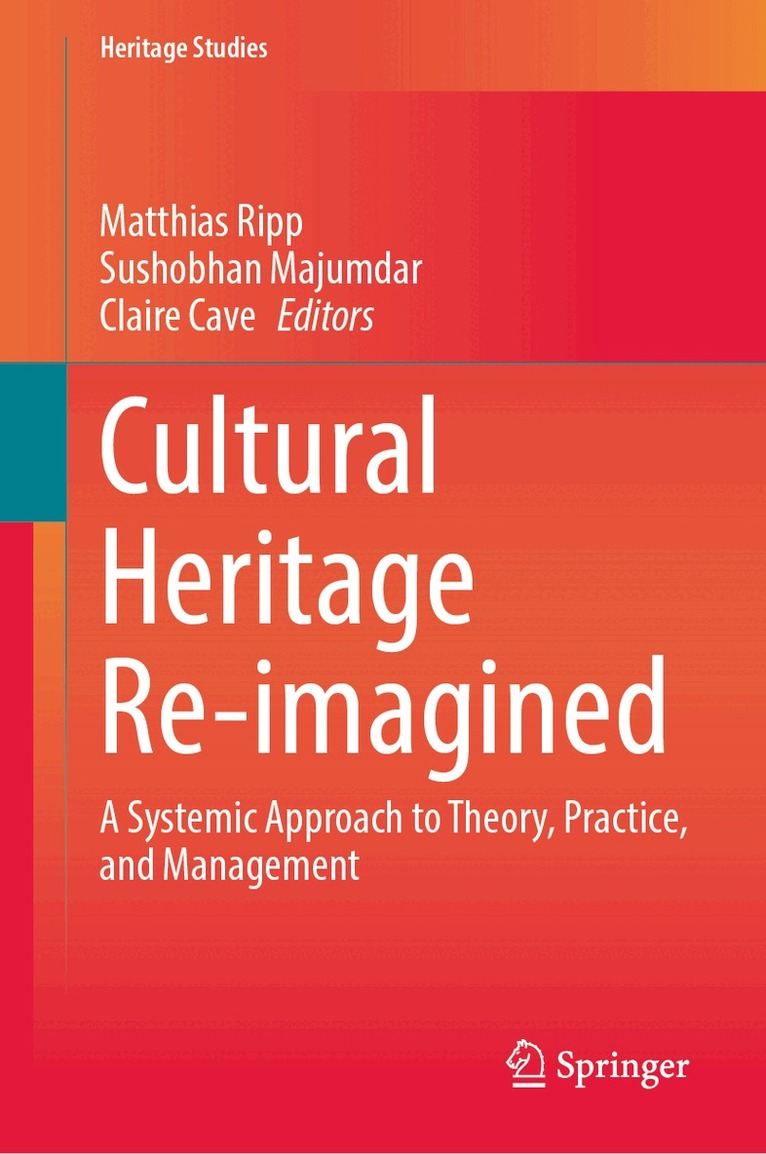
Cultural Heritage Re-imagined
A Systemic Approach to Theory, Practice, and Management
Av Matthias Ripp, Sushobhan Majumdar m. fl.
Inbunden, 2026
1692 kr
Lägg i varukorg
This book offers an innovative perspective on cultural heritage, blending theory, practice, and management through a comprehensive, interdisciplinary lens. It proposes a systemic approach to understanding heritage as a dynamic and evolving entity, emphasizing its interconnectedness with social, …
Cultural Heritage Re-imagined
A Systemic Approach to Theory, Practice, and Management
Av Claire Cave, Sushobhan Majumdar m. fl.
E-bok, 2026
2174 kr
Lägg i varukorg
This book offers an innovative perspective on cultural heritage, blending theory, practice, and management through a comprehensive, interdisciplinary lens. It proposes a systemic approach to understanding heritage as a dynamic and evolving entity, emphasizing its interconnectedness with social, …
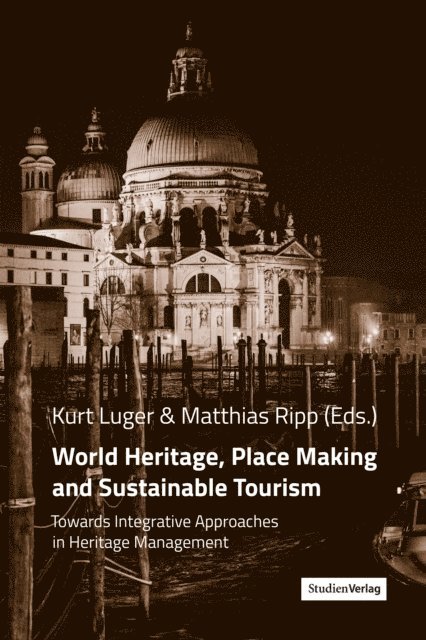
World Heritage, Place Making and Sustainable Tourism
Towards Integrative Approaches in Heritage Management
E-bok, 2020
453 kr
Lägg i varukorg
The management of World Heritage Cities and sites is a challenging task. Getting visitor flows and the enormous traffic under control and implementing urban development projects in ways that preserve the integrity and authenticity of cultural heritage requires a high level of expertise, backed by …